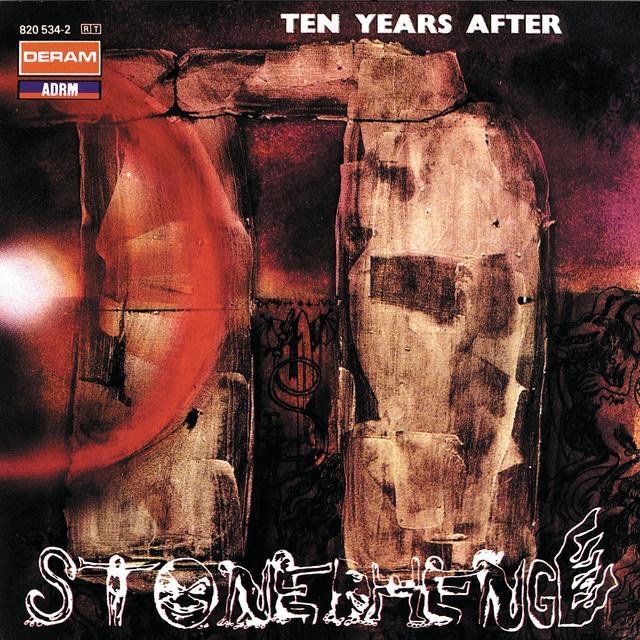
No Title by Ten Years After
The meaning of No Title Ten Years After sits in a strange, fascinating place. On the surface, the lyric sounds plainspoken and loose, almost casual. But under that calm voice is a bigger idea: life keeps throwing pain, worry, money problems, and spiritual questions at people, and the singer answers by holding onto music.
"No Title" - Ten Years After
'Cause when I get rid of them, they come back again
I just keep on doing what I want to do
Loading lyrics...
Unable to load lyrics
We're unable to display the lyrics at this time. Please try again later.
That reading fits the song’s place on Stonedhenge, Ten Years After’s 1969 album, which marked a more experimental turn for the English band. Research on the album notes that Stonedhenge was released on February 7, 1969, produced by Mike Vernon, and recorded at Decca Studios in London. It also identifies "No Title" as an 8:15 track with sound effects by Roy Baker and a credited “steel on steel effect” by Alvin Lee.
A shrug at chaos, not a denial of it
The lyric’s first key idea is not that suffering disappears. It says the opposite. The singer claims they have no worry
and no pain
, but then quickly admits those things always return. In plain terms, they are not pretending life is easy. They are saying trouble is recurring, almost routine.
That creates the song’s central attitude: detachment without numbness. Interpretation: the speaker seems to accept that pain comes in cycles, so fighting every wave may be pointless. Instead, they keep moving.
The next thought deepens that stance. When the lyric says they will keep doing what they want and keep trying until they come through, it sounds less like rebellion for its own sake and more like stubborn self-belief. This is not a protest song. It is a survival song.

Watch the official No Title
music video
Money, faith, and distance from extremes
One of the smartest things in the song is how it treats material life. Money is not glorified, but it is not demonized either. The singer basically says it comes and goes, yet it still keeps them fed and clothed. That is practical, even dryly funny.
In other words, the song refuses romantic nonsense. It does not claim art alone pays the bills. It admits the basics matter.
Then the lyric turns to religion with another shrug. The mention of God and a devil
does not lead to fear or devotion. Instead, the speaker says they do not bother those forces because those forces do not bother them. Interpretation: this may suggest a personal code built on everyday experience rather than formal belief. It sounds less atheistic than indifferent.
That emotional distance matters. Across the song, the speaker avoids extremes: not panic, not greed, not preaching. They choose a middle line where life is messy, but manageable.
The last line reveals the real center
The ending gives the lyric its clearest meaning. After brushing past pain, money, and theology, the singer lands on one thing that feels certain: playing music. The closing thought, built around keep on playing
and all that is true
, turns the whole song into an artist’s statement.
This is the heart of the meaning of No Title Ten Years After. Everything else in life is unstable, recurring, or debatable. Music is the only thing the speaker fully trusts.
That line also changes the tone of the earlier verses. What first sounded like laid-back philosophy now feels more specific. The singer is not just any drifter; they seem like a working musician trying to stay grounded in a confusing world.
Why the sound matters as much as the words
"No Title" is not only a lyric piece. It is also a studio construction. Research on Stonedhenge shows Alvin Lee wanted to experiment after the live album Undead, saying the band’s attitude was to go into the studio and test new ideas. That context matters because "No Title" seems designed as an atmosphere first, song second.
Critic Hal Horowitz described the track as building a moody first half before Lee extends the main riff and Chick Churchill enters with a ghostly organ passage. Brett Milano later wrote that the song showed how imaginative
blues-rock could get.
Those descriptions fit the available credits. Roy Baker’s sound effects and Lee’s unusual metal-on-metal texture suggest that the track’s “meaning” is partly sonic. It moves from quiet space into tension and noise, almost like a mind sorting through the very worries the lyric tries to dismiss.
A studio experiment with emotional purpose
This is where the song gets more interesting. The words sound controlled and calm. The arrangement sounds unsettled.
Interpretation: that contrast may be intentional. The singer claims peace, but the music keeps hinting at unease beneath the surface. The result is more human than a simple statement of confidence would be.
How it fits Ten Years After in 1969
Ten Years After had formed in 1966 and were already known for Alvin Lee’s fast, fiery guitar work. But Stonedhenge pushed them beyond straight blues-rock. Research describes the album as one of their most experimental records, mixing blues, jazz-rock, psychedelia, and studio effects.
That makes "No Title" a key track, even without being a hit. It captures a band treating the studio as an instrument, not just a place to document a live act. The album reached No. 6 in the UK and No. 61 in the US, showing that this more adventurous phase still found an audience.
The simplest reading still works best
At its core, the song says this: life is unstable, belief systems are uncertain, money is temporary, but making music gives shape and truth to experience. That is why the lyric stays memorable despite its plain language.
The title also helps. By calling it "No Title," the band may have left the song open on purpose. Without a fixed label, listeners pay more attention to mood, movement, and philosophy.
For many listeners, that is the lasting meaning of No Title Ten Years After: not a plot, but a posture. They face recurring trouble with a shrug, keep working, and trust the strings in their hands.
Disclaimer: This article offers interpretation based on the lyrics, musical context, and available historical research. Song meaning can remain open, and different listeners may hear it differently.








