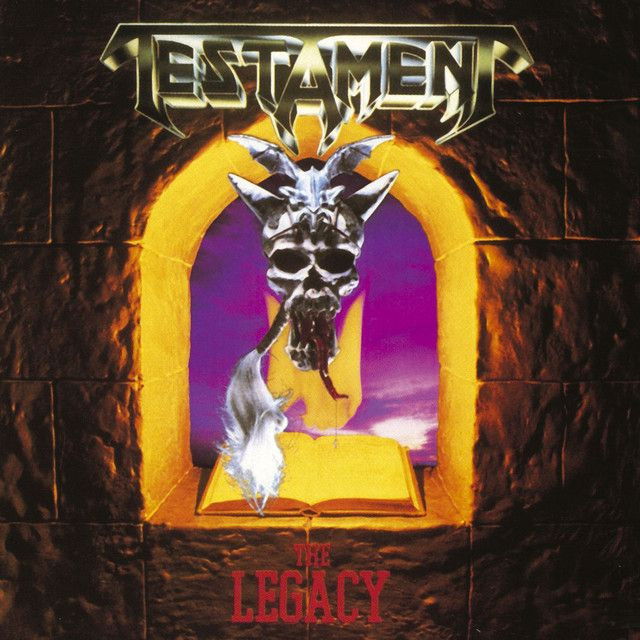
Apocalyptic City by Testament
Why This Thrash Song Still Hits Hard
The meaning of Apocalyptic City Testament comes down to one chilling idea: private pain can grow into public catastrophe. Testament build the song around the voice of a person who feels broken from the start, then turns that pain outward in a fantasy of total destruction.
"Apocalyptic City" - Testament
Nothing to live for
What started with a simple match
Loading lyrics...
Unable to load lyrics
We're unable to display the lyrics at this time. Please try again later.
This is not a subtle song, and it is not trying to be. In classic thrash style, it pushes emotion to an extreme so listeners can feel the danger of rage without control. Rather than offering comfort, it shows a mind collapsing into violence.
Watch the official Apocalyptic City
music video
A Villain's Monologue, Not a Hero's Anthem
The lyrics are written in first person, but that does not mean the band agrees with the speaker. They are presenting a character. From the opening, the narrator frames life as poisoned by hate and emptiness, then moves quickly toward revenge.
Short lines like world of hatred
and nothing to live for
sketch a person who sees no path except destruction. The song's story is simple on purpose: hurt becomes obsession, obsession becomes action, and action ends in ruin.
Interpretation: The most useful way to read the song is as a study of violent alienation. The speaker does not sound powerful in any healthy sense. They sound trapped inside their own fury.
How the Story Escalates Verse by Verse
Testament structure the song like a fast-moving crime narrative.
- The narrator claims deep emotional damage from birth.
- That pain hardens into a plan to burn a city.
- The chorus turns that plan into a manic release.
- The final verse reveals that even after the destruction, there is no peace.
The key shift happens when inner emotion becomes outer action. A phrase like burn the planet earth
is obviously exaggerated, but that exaggeration matters. It shows how total the speaker's anger feels in their own head.
Later, the narrator describes preparation and execution with cold focus. That makes the song more disturbing. It is not random chaos; it is chosen chaos.
The Chorus Turns Rage Into a Ritual
The chorus is the center of the song's meaning. Repetition makes it feel like a chant, almost as if the speaker is hypnotizing themselves into action. Phrases such as fire burning inside of me
and Apocalyptic city
connect inner emotion with outer disaster.
That is why the hook works so well. It is catchy, but it is also ugly by design. The chorus does not deepen the character's humanity; it shows how little humanity they have left.
Interpretation: The repeated commands to burn suggest compulsion as much as confidence. The speaker sounds driven by an impulse they can no longer stop.
Fire Is More Than Destruction Here
Fire is the song's main symbol, but Testament use it in two ways at once.
First, it is literal. The narrator plans arson and mass death. Second, it is psychological. Fire stands for rage, trauma, and a desire to erase the world that hurt them.
That dual meaning is what gives the song its edge. When the narrator boasts about power at their fingertips, the image is not just about gasoline or flame. It is about the fantasy of total control in a life that otherwise feels empty.
The ending matters too. After the inferno, the speaker admits there is nothing left but self-destruction. That final turn keeps the song from feeling triumphant. It lands as nihilistic and bleak.
How Testament's Sound Sells the Horror
Musically, the track fits Testament's thrash identity: fast tempo, sharp riffing, and a hard-driving rhythm section. That style became a signature of the band in the late 1980s, when they emerged as one of the major Bay Area thrash acts alongside peers in a scene documented widely in metal history sources such as Britannica and the band's own discography pages.
The songwriting credit provided here goes to Alex Skolnick and Eric Peterson, two key architects of Testament's classic sound. Skolnick's lead guitar work and Peterson's rhythm attack often create a push-pull between precision and chaos, which is exactly what this song needs.
Even without a detailed production credit in the supplied context, the arrangement itself tells the story. The riffs feel like acceleration. The drums sound like pursuit. The vocal delivery hits with a barked intensity that keeps the narrator from sounding reflective or sympathetic.
Context Inside Testament's Career
The song's title also echoes a later Testament release, Return to the Apocalyptic City, a 1993 live EP released by Atlantic and produced by Alex Perialas, as documented by Wikipedia's entry on the record. That EP followed The Ritual and preceded Low, showing how the band kept one foot in their earlier thrash identity even as their catalog evolved.
That context helps because Testament have long balanced technical skill with dark subject matter. Songs like this were part of thrash metal's broader habit of using extreme scenarios to explore fear, violence, and moral collapse.
The Best Way to Read the Ending
The final verse changes the emotional color of the whole track. After all the boasting, the narrator is still empty. Their "great assault" gives no true victory.
Interpretation: This ending suggests the song is ultimately about self-annihilation. The city burns, but the speaker is also destroyed by the same force they unleashed. In that sense, the apocalypse is personal before it is public.
Final Take on the Song's Meaning
The meaning of Apocalyptic City Testament is not just about arson or shock value. It is about what happens when pain, hatred, and isolation become a complete worldview. Testament turn that collapse into a brutal thrash narrative where the outside disaster reflects the inner one.
That is why the song still works. It is fast, harsh, and exaggerated, but the emotional warning underneath is clear: when rage becomes identity, everyone burns.
Disclaimer: This interpretation is based on the lyrics, musical elements, and available band context. As with many metal songs, different listeners may hear different meanings in the same imagery.








