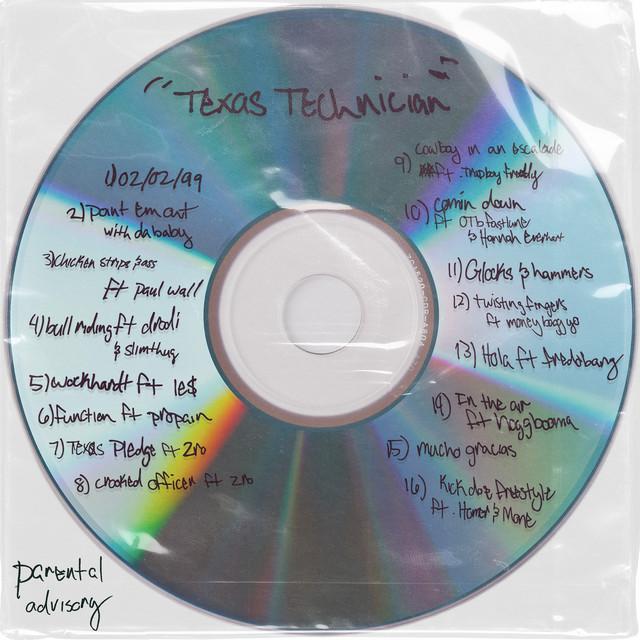
Why 'Crooked Officer' Hits So Hard
The meaning of Crooked Officer That Mexican OT, Z-Ro comes from a sharp contrast. On the surface, the song is full of swagger, jokes, sexual boasts, and threats. Under that rough humor, though, it keeps circling one main idea: distrust of authority, especially law enforcement seen as unfair, hostile, or predatory.
"Crooked Officer" - That Mexican OT ft. Z-Ro
Ayo, is that That Mexican OT?
What goes inside a toilet bowl? The shit, that's what I am
Loading lyrics...
Unable to load lyrics
We're unable to display the lyrics at this time. Please try again later.
That tension is what gives the track its force. They do not sound like they are making a careful political speech. They sound like they are venting from inside a world where status, money, and toughness are forms of protection.
A Hook About Power, Not Just Provocation
The title phrase is the song’s center. When they repeat Crooked officer
, the song stops being just a flex record and becomes a protest, even if it is an angry and messy one.
The key point is simple: they frame the officer not as a protector, but as someone abusing a badge. That changes how the rest of the track reads. The rude jokes and violent talk are not separate from the title; they help build a voice that feels cornered, defensive, and unwilling to submit.
Interpretation: the hook suggests that official power feels corrupted before any encounter even begins. In that reading, the song is about survival through aggression, because they assume the system is already against them.
The Verses Build a Persona of Refusal
Much of the song is built on exaggeration. They brag about cash, weapons, women, and fearlessness. Lines like turn nothin' into somethin'
help create a self-image of a hustler who made their own way and trusts their own hands more than any institution.
That matters because the song links self-made success with deep suspicion. If they had to build everything themselves, then outsiders, including police, are framed as people who interrupt, exploit, or criminalize that grind.
There is also a strong current of disrespect toward anyone they see as fake, needy, or intrusive. When the verses talk about cutting people off or ignoring demands, they reinforce the same posture heard in the title: they do not expect fairness, so they answer pressure with defiance.
What the Chorus Really Does
The chorus is catchy, but it is not light. When they say blow the badge off of you
, the song reaches its most confrontational point. That line is not subtle, and it shows just how far the distrust has gone.
Paraphrased, the message is that a badge does not earn respect if the person wearing it is corrupt. In other words, the song separates lawful authority from moral authority.
A later line, this what I got a lawyer for
, adds another layer. It suggests a world where contact with police is expected, and legal defense is treated almost like a routine expense. That line makes the song feel less like fantasy and more like a view shaped by repeated conflict with institutions.
Texas Rap Context Makes the Message Stronger
That Mexican OT is a Texas rapper known for fast, playful flows and a vivid mix of humor and menace, while Z-Ro is a Houston rap veteran long associated with pain, paranoia, and endurance. Their pairing matters because both artists come out of regional styles where toughness is often tied to real distrust of systems around them.
The credited writers for the song include Aaron Larit, Brandon Pitre, Gavin Luckett, Joseph McVey, Mohammed Bayoumi, and Virgil Gazca, as provided in the song information. That does not explain the meaning by itself, but it does show the track was carefully built, not just freestyled chaos.
Interpretation: Z-Ro’s presence gives the song added weight. Even when the bars are funny or vulgar, his history in Texas rap makes the resentment sound lived-in rather than decorative.
How the Sound Supports the Lyrics
Production-wise, the track leans into menace and bounce at the same time. The beat leaves room for punchlines, but it also carries a dark, confrontational energy. That balance matters.
A playful beat would have made the title feel like a joke. A fully grim beat would have made the song feel one-note. Instead, the record moves with a swagger that lets them boast, then snap back into the hook with purpose.
The repeated phrases also work like pressure points. When they stack lines around money and domination, then return to Crooked officer
, the song keeps reminding the listener what the real enemy is. The flexes are the armor; the hook is the wound.
Two Ways to Read the Song
There are at least two solid ways to understand it:
- Street survival reading: the song is about men who trust force, money, and loyalty because official systems have failed them.
- Persona reading: the title gives emotional stakes to an otherwise outrageous rap performance, making the shock lines feel more focused.
Both readings can be true at once. The song does not stay disciplined enough to become a single-issue statement. It keeps wandering into sex jokes and domination fantasies. But that looseness is also part of its style. They are not polishing the message; they are throwing it out in raw form.
Why the Song Sticks
What makes this track memorable is not just offense or swagger. It is the way the title changes the temperature of everything around it. Without that hook, the song might sound like another rowdy flex anthem. With it, the record becomes a snapshot of anger toward authority, filtered through Texas rap bravado.
So the meaning of Crooked Officer That Mexican OT, Z-Ro is ultimately about corrupted power and reflexive resistance. They present a world where respect must be earned, where money and reputation act as shields, and where a badge can symbolize threat instead of safety.
That interpretation is based on the lyrics, performance, and context of the artists. Like most rap songs, it mixes persona, exaggeration, and real feeling, so any reading should be taken as informed interpretation rather than confirmed intent.







