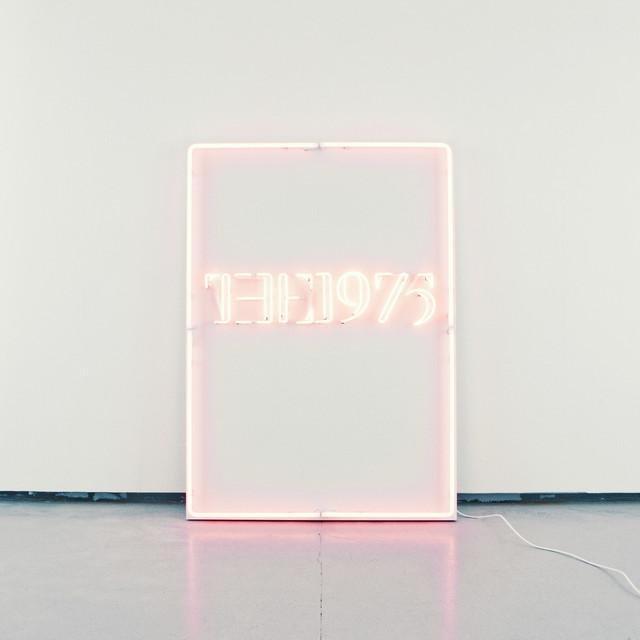
Why The 1975’s Dreamiest Title Track Feels So Intimate
The meaning of I like it when you sleep, for you are so beautiful yet so unaware of it The 1975 starts with a scene that is almost nothing: a room, a person leaving, and one repeated request. The words are simple, but the feeling is not. This song is less a story than a mood piece about tenderness, fear of absence, and the strange peace of watching someone who does not know they are being admired.
"I like it when you sleep, for you are so beautiful yet so unaware of it" - The 1975
Before you go, please don't turn the big light off
Before you go, please don't turn the big light off
Loading lyrics...
Unable to load lyrics
We're unable to display the lyrics at this time. Please try again later.
As the title track on The 1975’s 2016 second album, it also acts like a mission statement. The album itself went to No. 1 in both the U.S. and U.K., according to Wikipedia, and its sprawl matters here: this track sits between confession, ambient pop, and late-night dream music.
A Small Line With Big Emotion
Factually, the lyric is built from one repeated thought. The speaker says Before you go
and asks, again and again, don’t turn the big light off
. That repetition creates tension. They are not making a grand speech. They are trying to stop a moment from ending.
Interpretation: the request about the light is really about comfort. A bright room feels safe, awake, and connected. Darkness suggests loneliness, sleep, or emotional distance. So when the speaker asks for the light to stay on, they may be asking the other person not to disappear, even for a moment.
That is what makes the long, romantic title so important. It describes someone as beautiful without them knowing it. The song then shows that admiration in the smallest possible way: not through dramatic praise, but through a nervous plea to keep the room lit.

Watch the official I like it when you sleep, for you are so beautiful yet so unaware of it
music video
Who They Seem To Be Singing To
The song sounds directed at one specific person, probably a lover or partner. There is no plot twist and no argument. Instead, the speaker seems caught between affection and dependency.
Before you go,
please don’t turn the big light off
Those lines are plain, almost childlike. That matters. By stripping away clever phrasing, The 1975 make the emotion feel exposed. The speaker does not want to impress this person. They want them to stay present.
Interpretation: there are two possible readings here:
- It could be a literal bedroom moment, with one person awake and anxious while the other drifts off.
- It could be symbolic, with the “big light” standing for attention, reassurance, or emotional warmth.
Both readings can be true at once, which is part of the song’s appeal.
Why Repetition Does The Heavy Lifting
Many The 1975 songs are wordy, witty, or packed with cultural detail. This one is the opposite. Its power comes from saying one thing until it starts to feel larger.
Each return to please don’t
adds vulnerability. The line never becomes demanding; it stays soft. That softness is the point. Instead of trying to control the other person, the speaker reveals how much their presence matters.
This is also why the title can sound sweet and slightly sad at the same time. To say someone is unaware of their beauty is loving, but it also places distance between the watcher and the sleeping person. One is alert and overwhelmed; the other is absent, even if only temporarily.
Sound Design As Meaning
The production carries as much meaning as the lyric. The album was produced by Matthew Healy, George Daniel, and Mike Crossey, and reviews at Pitchfork noted how the record moves through ambient and dream-pop textures. This title track fits that description.
Instead of a strong drum pattern or a big hook, the song leans into haze. The synths feel suspended. The mix seems to float rather than drive forward. That makes the repeated line feel like a thought looping in someone’s mind at 2 a.m.
There is also a contrast between the emotional content and the polished sound. The arrangement is soft and beautiful, but the feeling underneath is uneasy. That tension mirrors the title itself: beauty on the surface, insecurity underneath.
The Light, The Room, The Dream
The “big light” is a clever image because it is ordinary. It is not a moon, a star, or some poetic symbol from classic love songs. It is a practical room light. That very normal detail makes the emotion believable.
In The 1975’s world, romance often lives next to anxiety, irony, and modern discomfort. Here, even love is filtered through a small domestic fear: what happens when the room changes, the light goes out, and someone else slips into sleep while they are left alone with their thoughts?
Where It Fits In The 1975’s World
On a long album full of big pop singles, social commentary, and genre shifts, this track works like a quiet center. It reminds listeners that the band’s appeal is not only in catchy songs like “The Sound” or “Somebody Else,” but also in atmosphere.
Critics often described the album as ambitious, messy, and brilliant in parts. That context helps explain the title track. It is not meant to be a conventional single. It is there to deepen the album’s emotional space and show the band’s interest in texture as much as narrative.
Interpretation: the song may also reflect Matty Healy’s larger writing style from this era, where sincerity and self-consciousness sit side by side. Even when the lyric is direct, there is still a sense of distance, like they are observing their own feelings while living them.
The Lasting Meaning
So, the meaning of I like it when you sleep, for you are so beautiful yet so unaware of it The 1975 is not complicated in plot, but it is rich in feeling. It captures the fragile side of love: admiration mixed with helplessness, closeness mixed with solitude, beauty mixed with anxiety.
Its repeated request turns a tiny domestic moment into something universal. Anyone who has feared the end of a good moment, or felt lonely beside someone they love, can hear themselves in it.
That is why the song lingers. It does not explain everything. It just leaves the light on long enough for the feeling to settle.
Disclaimer: This interpretation combines documented context with informed reading of the lyrics and production. As with most art, listeners may hear it differently.








