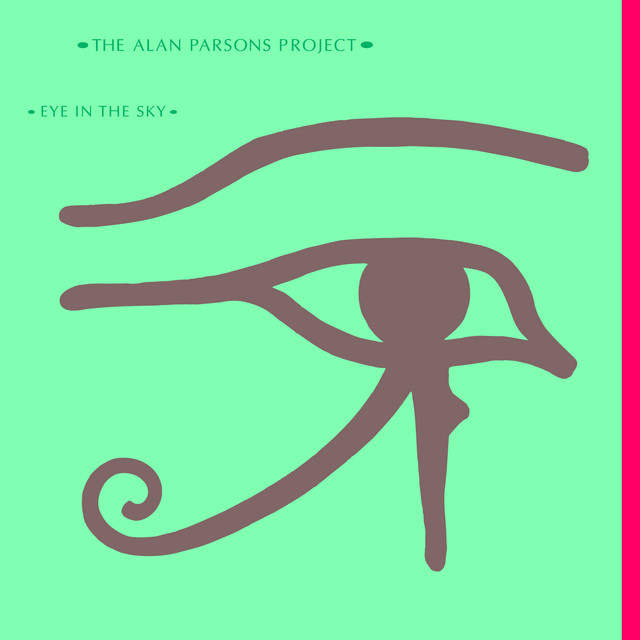
Eye In The Sky by The Alan Parsons Project
The meaning of Eye in the Sky The Alan Parsons Project starts with a simple emotional scene: one person has been fooled before, and they have decided it will not happen again. But the song does more than tell a breakup story. It turns hurt feelings into a drama about power, control, and watching.
"Eye In The Sky" - The Alan Parsons Project
Don't try turning tables instead
You've taken lots of chances before
Loading lyrics...
Unable to load lyrics
We're unable to display the lyrics at this time. Please try again later.
Released in 1982 as the title track from the group’s sixth album, the song became their biggest U.S. hit, reaching No. 3 on the Billboard Hot 100. According to Wikipedia, it was written and produced by Alan Parsons and Eric Woolfson, with Woolfson singing lead. Those facts matter because the song’s polished sound and cool vocal delivery are a big part of its meaning.
A breakup song with a colder edge
At its core, the song sounds like someone drawing a hard line after lies and emotional games. The speaker warns the other person not to offer easy apologies or try to shift blame. Phrases like turning tables
and changing my mind
point to a relationship that has reached its limit.
This is not a sad plea for reconciliation. It is a refusal. The speaker believes they have seen the pattern before, and now they are stepping back before being manipulated again. That gives the song its firm, guarded energy.
Interpretation: Many listeners hear this as a breakup song first, and that reading fits the verses well. The speaker seems to know the other person’s habits so well that they can predict every move.
Watch the official Eye In The Sky
music video
Why the chorus feels bigger than romance
Then the chorus changes the scale. Instead of sounding like an ordinary argument, the song suddenly becomes almost godlike: eye in the sky
, read your mind
, and maker of rules
. The speaker no longer sounds wounded. They sound above the situation.
That shift is what makes the song memorable. The hurt person does not just protect themselves; they claim authority. They say, in effect, that they can now see through deception so clearly that no trick will work anymore.
I am the eye in the sky
Looking at you
I can read your mind
This short section captures the song’s central image. The speaker imagines total insight. Whether that insight is real or exaggerated, it creates a feeling of emotional superiority.
The surveillance idea behind the lyrics
There is also a second layer to the song that helps explain its strange power. Songfacts notes a widely discussed explanation: Eric Woolfson was interested in casino surveillance, especially the hidden cameras that watch players from above. That makes the title image feel less abstract and more specific. The “eye” may be the cold, unseen observer who spots every bluff.
If that context is right, the song blends romance with surveillance. In a relationship, one person thinks they can hide motives. In a casino, a player thinks they can hide intentions. In both cases, the watcher believes they can detect the lie.
Interpretation: This does not mean the song is only about literal cameras. It suggests that the language of watching gives the breakup story a harder, more modern shape. Love becomes a game of reading tells.
Sound that supports the message
The production is a major reason the song still works. The Alan Parsons Project was known for immaculate studio craft, and this track is a good example. Woolfson’s lead vocal is calm rather than explosive. That restraint matters. A louder or angrier performance would make the song sound petty. Instead, they make the speaker sound controlled.
The arrangement also helps. The electric piano, smooth rhythm section, and polished guitars create a sleek, almost floating surface. Beneath that softness is a subtle menace. The song does not shout its warning; it glides.
Wikipedia also notes that the album version follows the instrumental Sirius
, which creates an even grander entrance on the record. Heard that way, “Eye in the Sky” feels like a reveal after suspense, as if the observer has fully arrived.
The key themes: trust, power, and self-protection
Several themes run through the song:
- Distrust: The speaker believes they have heard false claims before.
- Emotional self-defense: They refuse to keep believing appearances.
- Control: The chorus turns private pain into a statement of dominance.
- Perception: Seeing clearly becomes more important than feeling deeply.
One of the most interesting details is how often the song contrasts truth and illusion. The verses suggest that charm and appearances once had power. The chorus answers that weakness with certainty. The speaker now insists they can spot deceit instantly.
That is why the song can feel both empowering and unsettling. It is satisfying to hear someone reclaim control. But the fantasy of knowing everything about another person can also sound harsh, even manipulative.
Is it about Big Brother?
Some listeners connect the song to Orwell-style surveillance, and the title makes that understandable. Still, the available background does not confirm a direct literary reference. The stronger evidence points to observation, suspicion, and power in a broader sense rather than a strict retelling of 1984.
So the best reading is probably a layered one. Factually, it is a 1982 hit built by Alan Parsons and Eric Woolfson with sleek studio precision. Lyrically, it works as a breakup confrontation. Symbolically, it expands into a vision of all-seeing control.
Why the song still resonates
The meaning of Eye in the Sky The Alan Parsons Project still feels current because modern life is full of watching, guessing motives, and guarding against deception. Even without literal cameras, many people know what it feels like to study someone’s face, doubt their words, and decide they will not be fooled again.
That mix of personal hurt and cool authority is the song’s real hook. It is not just about being watched. It is about wanting the upper hand after trust has been broken.
Disclaimer: This interpretation separates verified facts about the song’s release, credits, and chart history from thematic readings of the lyrics. As with many classic songs, listeners may hear different meanings in the same lines.







