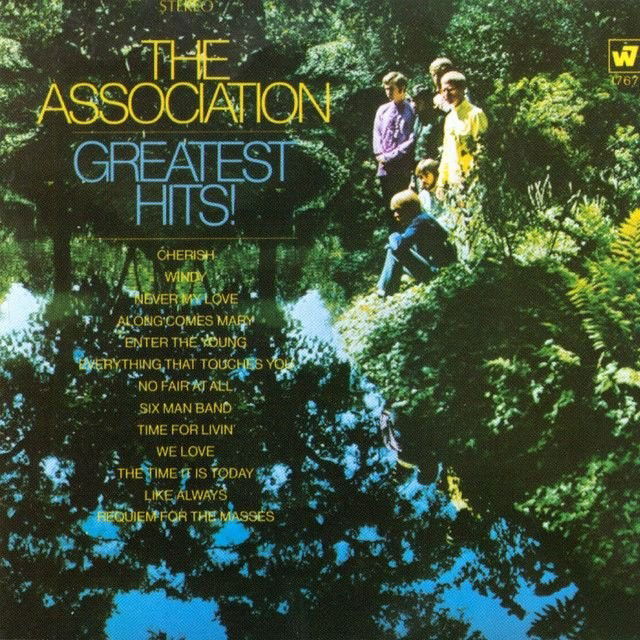
Along Comes Mary by The Association
The meaning of Along Comes Mary The Association has been debated since 1966, and that debate is part of why the song still feels alive. On the surface, it sounds like a quick, catchy pop hit. Underneath, it is packed with strange images, social tension, and a narrator whose whole outlook changes when “Mary” appears.
"Along Comes Mary" - The Association
Someone calls on me
And every now and then I spend my time in rhyme and verse
Loading lyrics...
Unable to load lyrics
We're unable to display the lyrics at this time. Please try again later.
The basic facts are clear: The Association released the song in March 1966, it was written by Tandyn Almer, and it became the group’s first major hit, reaching No. 7 on the Billboard Hot 100. It later appeared on And Then... Along Comes the Association. Sources also note that Leonard Bernstein discussed the song’s use of the Dorian mode, which already tells readers this was not a throwaway pop single. See Wikipedia and Songfacts.
A bright hit with a blurry center
At its core, the song follows a lonely, dissatisfied speaker who feels stuck in his own thoughts. Early lines present someone isolated and self-critical. He writes, reflects, and seems trapped by what the lyric calls personal faults and “tribulations.” Then Mary arrives, and everything shifts.
That shift is the song’s engine. The repeated hook, along comes Mary
, works like a rescue signal. She interrupts boredom, loneliness, and mental fog. The narrator moves from confusion to a sense of sweetness, possibility, and release.
Interpretation: That change can be heard in two main ways:
- Mary is a real woman who brings emotional clarity.
- Mary is a coded stand-in for marijuana, changing perception and easing psychic stress.
Both readings fit the lyric. That is why the song has lasted.
Watch the official Along Comes Mary
music video
Why the marijuana reading is so common
The most famous question around the song is whether “Mary” means “Mary Jane.” That reading is not just fan speculation. Wikipedia, summarizing later commentary, notes that both Tandyn Almer and Leonard Bernstein connected the song to marijuana. Songfacts also says many listeners took it as a marijuana song and suggests they were probably right.
The lyrics support that idea without ever becoming direct. Phrases like out to lunch
and the oddly blissful line about an empty cup
feeling sweet suggest altered perception. The song also keeps moving between pleasure, haze, judgment, and release. That pattern sounds a lot like a coded 1960s drug song.
Still, the writing never becomes one-note. Mary is not only a substance symbol. She also feels like comfort, escape, and a new way of seeing.
How the verses build the song’s meaning
Each verse expands the world around the narrator. First comes loneliness. Then comes social disappointment. Later, the song turns almost cosmic and surreal, with worn-out young people, emotional damage, and unsung songs hanging over scars.
That matters because Mary is not entering a calm life. She is entering a damaged one. The narrator sees shallow flirting, blame, and performance all around him. One key phrase, set them free
, hints that Mary offers release not just for one person but for everyone trapped in games and appearances.
Another phrase, see reality
, cuts in the opposite direction. If Mary is a drug reference, that line is ironic: the thing changing perception is presented as truth. If Mary is a woman, then her tenderness helps people drop their masks. Either way, the song is about transformation.
The line everyone remembers
The strangest and best line may be the one about the cup and the punch. Paraphrased, the narrator is saying that even lack now feels satisfying. What used to seem empty now carries the taste of pleasure.
Interpretation: This is the clearest image of changed perception in the song. It could describe falling in love so deeply that absence still glows. It could also describe intoxication, where the feeling matters more than the literal object. The paradox is the point.
That one image helps explain the whole song: Mary makes ordinary experience feel newly charged.
The sound makes the mystery work
Part of the song’s brilliance is that it does not sound dark. The Association were known for rich vocal blend and polished West Coast pop, and this track wraps its slippery lyrics in tight harmonies and upbeat motion. That contrast makes the words easier to miss on first listen and more rewarding on the second.
Sources describe the song as folk rock, sunshine pop, soft rock, and baroque pop. Those labels fit because the arrangement feels light and melodic even when the imagery gets weird. Bernstein’s note about the Dorian mode also matters: that mode can sound both familiar and slightly unsettled. In simple terms, the music is catchy, but it never feels fully at rest. That mirrors the lyric’s mix of pleasure and unease.
Why the song still invites debate
The meaning of Along Comes Mary The Association remains compelling because the song refuses to lock itself down. It can be heard as a coded snapshot of 1960s drug culture. It can also be heard as a portrait of someone pulled out of despair by love or companionship.
Those meanings do not cancel each other out. In fact, the song is stronger because they overlap. Mary is whatever breaks the cycle: romance, intoxication, relief, fantasy, or grace.
Final takeaway
The song’s lasting power comes from that blend of sweetness and uncertainty. It offers a narrator who feels lost, then suddenly feels rescued, but never fully explains the rescue. That keeps the mystery alive.
Disclaimer: This interpretation combines documented context with lyrical analysis. Like many classic pop songs, “Along Comes Mary” supports more than one reasonable reading.








