What "Lenny Valentino" Is Really Saying
The meaning of Lenny Valentino The Auteurs starts with a strange but useful idea: this is not a normal character sketch. It is a pop song built like a dream, where famous names, death imagery, and public spectacle all blur together.
"Lenny Valentino" - The Auteurs
of every shape and size
The motorcade came down from Redondo
Loading lyrics...
Unable to load lyrics
We're unable to display the lyrics at this time. Please try again later.
Luke Haines wrote the song, and critics have long treated it as one of his smartest concept pieces. One especially helpful summary from PopMatters says the song imagines Lenny Bruce waking up in Rudolph Valentino’s body on the day of Valentino’s funeral. That reading turns the opening scene into more than random surrealism. It becomes a story about celebrity after death, and about how public figures are trapped inside other people’s fantasies.
A Funeral, a Myth, and a Split Identity
On the surface, the song opens with a crowd scene. There are mourners on the street
, a motorcade, and a feeling of public drama. That setting points toward a funeral procession, but the details are too warped to be simple realism.
Interpretation: the song seems to fuse two cultural icons. Lenny Bruce brings scandal, sharp speech, and outsider energy. Rudolph Valentino brings glamour, screen fantasy, and mass mourning. By combining them into “Lenny Valentino,” Haines creates a figure who is both worshipped and attacked.
That helps explain lines like Assassins on the corner
. The image may not describe literal killers. It can also suggest critics, moral judges, or anyone waiting to take down a public figure. In this song, fame looks like a parade and an ambush at the same time.
Watch the official Lenny Valentino
music video
Why the Refrain Feels So Haunting
The repeated line Lenny Valentino reside
is grammatically odd, which is part of why it sticks. Haines does not give a neat emotional release. Instead, the refrain sounds like a statement, a chant, or even a command.
Interpretation: “reside” suggests continued presence. The person may be dead, transformed, or unreal, but the image remains. That is one of the song’s deepest ideas: stars do not simply disappear. They keep living in memory, gossip, scandal, and projection.
This is why the refrain matters more than a standard chorus. It does not move the plot forward. It freezes the figure in public consciousness.
The Verses Turn Fame Into Theater
The song’s second verse expands the scale. The mention that The Pope renounced you
pushes the figure into moral and almost cosmic judgment. Then the Lazarus image brings resurrection into the picture. Death, shame, and return are all mixed together.
That blend fits Haines’ writing style. PopMatters argues that across The Auteurs and later projects, he often wrote about dark material hiding under polished pop surfaces. “Lenny Valentino” is a strong example of that approach: elegant melody on the outside, unsettling ideas underneath.
Here, fame is treated almost like religion. The public can condemn a person, revive them, or turn them into legend. The line about ladies averting their eyes adds another layer. It suggests embarrassment, desire, or the discomfort of seeing a fallen idol too clearly.
The Odd Names and Side Characters Matter
The final verse gets even stranger, with snapshots of people in rooms, hallways, and private spaces. These details make the song feel like backstage gossip after a grand public event. The world outside is ceremonial, but indoors everything becomes petty, human, and messy.
When Haines writes that the girls are sick and tired
, he cuts through the myth. This is not only a song about worship. It is also about boredom with performance, ego, and repeated self-display. The celebrity figure may be magnetic, but the people around him are no longer impressed.
That is a classic Haines move: he builds a glamorous image, then punctures it with sarcasm or fatigue.
How the Sound Carries the Meaning
Musically, the song works because The Auteurs do not overplay the drama. Their style on this period mixed sharp guitar pop with a cool, literate tone. According to PopMatters, the song’s opening riff and cello interplay are central to its power, giving the track both elegance and tension.
That combination matters. A heavier arrangement might have made the song feel purely gothic. A brighter one might have made it feel like parody. Instead, the music walks a fine line: stylish, catchy, and slightly distant.
That distance lets listeners sit inside the mystery. Haines sounds less like someone confessing and more like someone staging a scene, which fits a song about identity as performance.
Where the Song Fits in The Auteurs’ World
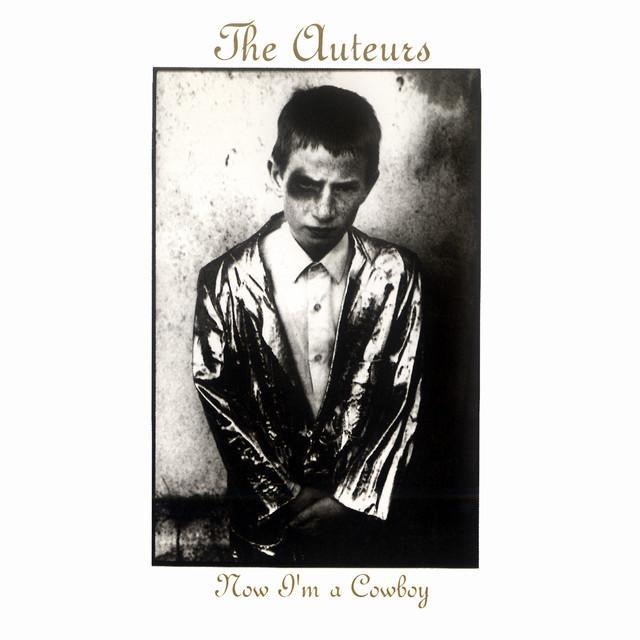
“Lenny Valentino” appeared on Now I’m a Cowboy, released in 1994, during the early years of The Auteurs. Haines wrote the song, and his work from this era is often discussed alongside Britpop, though critics have also argued that label never fully fit his darker, more barbed writing.
The song’s reputation has lasted. It even inspired the name of a later Polish band, Lenny Valentino, a small sign of its cult reach. More importantly, it shows why Haines stood apart: he could take references that looked obscure or ironic and turn them into a memorable pop single.
The Best Way to Read the Song
The best reading of the meaning of Lenny Valentino The Auteurs is that it explores what happens when a person stops being a person and becomes an image. The funeral setting, religious hints, celebrity collage, and repeated refrain all point to one theme: fame survives as a distorted afterlife.
Interpretation: Haines may also be mocking the audience as much as the star. The crowd mourns, judges, gossips, and invents. In that sense, “Lenny Valentino” is not just about one hybrid icon. It is about the machine that creates icons in the first place.
That is why the song still feels alive. It is witty and mysterious, but also sharp about how culture consumes people.
Disclaimer: This interpretation is based on the lyrics, documented critical commentary, and The Auteurs’ wider artistic context. As with many Luke Haines songs, some ambiguity is intentional.







