Why '52 Girls' Turns a Name List Into Art
The meaning of 52 Girls The B‐52s starts with a joke that becomes a style statement. On paper, the song looks almost too simple: a string of women’s names, a repeated challenge, and a bright beat. But that simplicity is the point. The track turns a roll call into a tiny pop world where glamour, camp, memory, and American pop culture all collide.
"52 Girls" - The B‐52s
Madge and Mabel
Biddie, see them on the beach
Loading lyrics...
Unable to load lyrics
We're unable to display the lyrics at this time. Please try again later.
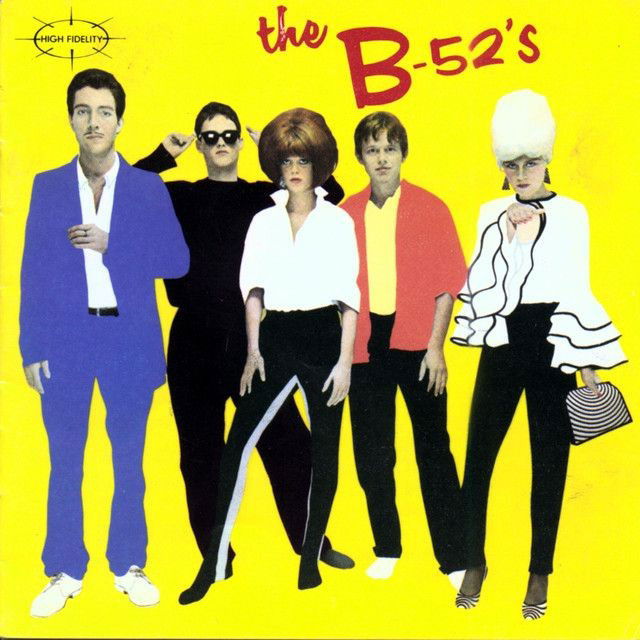
Released on the band’s 1979 debut album, The B-52's, “52 Girls” arrived early in the group’s story and helped define what made them different. According to Songfacts, it was the second track on that album and an early concert staple. That matters because the song feels built for performance: half chant, half party invitation, and fully committed to its own strange logic.
A Roll Call That Means More Than It Says
At the most basic level, the song names women and asks listeners if they can keep up. The hook Can you name
turns the list into a game. Instead of telling a normal story, the band creates motion through rhythm and repetition.
Interpretation: the names are less important as individual characters than as symbols of style, scene, and social mythology. Some sound ordinary, some sound glamorous, and some hint at celebrity. When the song mentions on the beach
and New York City
, it sketches two classic American fantasy spaces: leisure and fashion, sunlight and nightlife.
That is why the track feels bigger than its actual lyric sheet. It is not really about one person. It is about image overload.

Watch the official 52 Girls
music video
The U.S.A. as Pop Stage
The song’s key phrase is girls of the U.S.A.
. That line reframes the whole track. These are not just random names. They become a comic, stylized portrait of American femininity as seen through pop art.
The B-52s often worked in a space between affection and parody. They loved kitsch, old records, thrift-store glamour, and exaggerated performance. “52 Girls” fits that world perfectly. It sounds as if they are flipping through a scrapbook of beauty queens, beach movies, first names, and cultural fragments.
Interpretation: the song may be heard as both celebration and spoof. It celebrates the pleasure of names, textures, and personalities. At the same time, it lightly mocks how culture reduces women to labels, looks, and memorable names.
That double effect is one reason the song still feels fresh. It never gets heavy-handed, but it is smarter than it first appears.
Why the Number 52 Is a Red Herring
One fun detail around the song is that the title promises more than the lyric actually lists. Songfacts notes that only about half that number appears in the words, and that the “52” connects to the band’s own name and identity rather than a literal head count. In other words, the title is part of the band’s playful design.
That trick says a lot about The B-52s. They were not aiming for realism. They were building a cartoon-pop universe where numbers, names, and sounds mattered because they felt right.
A Communal Athens Origin
The writing credits include the band members plus Jeremy Ayers, whose full name appears here as Charles J. Ayers. Research cited by Songfacts says Ayers was an Athens, Georgia, artist and friend of the band who contributed the lyric idea. That local-art-community background helps explain the song’s freeform quality. It does not behave like a polished industry single. It feels like a clever scene artifact that happened to become a classic.
How the Music Carries the Joke
The meaning of 52 Girls The B‐52s is inseparable from the music. A plain spoken list of names could be dull, but the band makes it snap. Ricky Wilson’s guitar style gives the track a wiry surf-rock pulse, while the vocals by Kate Pierson and Cindy Wilson add bounce, color, and a slightly teasing feel.
The arrangement keeps everything moving forward. The repeated call of Name 'em today?
works like a chant at a party. Fred Schneider’s presence in the B-52s sound also matters, even when the women’s voices lead the hook, because the band’s whole aesthetic depended on sharp, talky, off-center delivery rather than smooth rock seriousness.
These are the girls of the U.S.A.
The principal girls of the U.S.A.
Those lines are the closest thing the song has to a thesis. They sound grand, almost official, which makes them funny. The language turns a playful list into a mock national registry.
Two Strong Readings of the Song
Reading One: Camp Celebration
In this reading, “52 Girls” is a burst of joy. The names tumble out because names themselves are musical. The band treats American girlhood as colorful, theatrical, and worth singing about. The pleasure is in the sound, the rhythm, and the attitude.
Reading Two: Pop-Culture Satire
A second reading hears a sly critique. By reducing people to first names and typecast images, the song mirrors how media packages identity. The repeated question becomes a challenge: how much of what listeners think they know is just branding?
Both readings can exist at once. That tension is a huge part of the band’s art.
Why the Song Still Works
“52 Girls” lasts because it does not chase emotional confession. Instead, it creates a mood: witty, stylish, odd, and very American. It catches The B-52s at the moment when underground art instincts met pop immediacy.
For listeners asking about the meaning of 52 Girls The B‐52s, the best answer is that the song turns a list of names into a miniature satire of image and identity, while still sounding like a dance-floor good time. It is light on plot but rich in personality.
That mix is the B-52s signature. They take something flimsy, even silly, and make it feel iconic.
Disclaimer: This interpretation combines documented facts with critical reading. As with many songs by The B-52s, meaning can shift depending on the listener’s ear for camp, humor, and pop culture.







