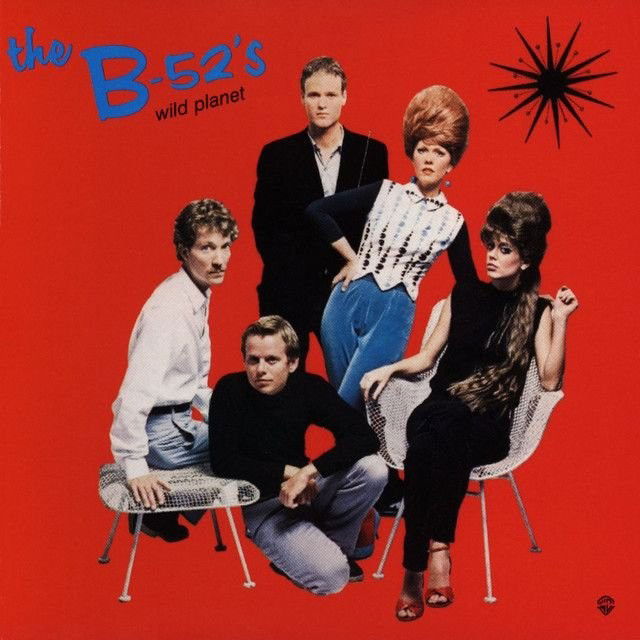
Why “Dirty Back Road” Feels So Wild
The meaning of Dirty Back Road The B‐52s comes through fast: this is a song about desire, motion, and the thrill of losing control for a moment. It takes the image of driving off the main route and turns it into a flirtatious fantasy. Rather than tell a detailed story, The B‐52s build a mood where speed, heat, and physical attraction all blur together.
"Dirty Back Road" - The B‐52s
God I want you, like a fuel engine
Energized line, like a road
Loading lyrics...
Unable to load lyrics
We're unable to display the lyrics at this time. Please try again later.
That approach fits the band. The B‐52s built their style on camp, rhythm, and surreal images, a sound that began on their 1979 debut album. “Dirty Back Road” uses that same playful weirdness, but it points it toward a more sensual kind of energy.
A Back Road as a Symbol, Not Just a Setting
On the surface, the song sounds simple. There is driving, dust, sand, and a warning not to turn around. But the road image does more than describe a place. It acts as a symbol for risky attraction.
When the singer compares desire to a machine and a road, they make passion feel physical and mechanical at once. Short phrases like reckless drivin'
and like a sports car
suggest speed and danger, but also confidence. This is not careful romance. It is impulsive and body-first.
Interpretation: the “dirty back road” may represent a private space outside normal rules. A back road is off the map, less polished, and harder to control. Calling it “dirty” adds both literal grit and sexual charge. The song seems less interested in where the road leads than in how it feels to ride it.

Watch the official Dirty Back Road
music video
Desire Turned Into Motion
One striking thing about the lyrics is how often they connect love and movement. The song does not describe feelings in abstract terms. It turns them into pressure, engines, and momentum.
The line God I want you
is blunt, almost funny in its intensity. Right after that, the song compares that hunger to fuel and motion. That makes desire feel less like reflection and more like acceleration. They are not standing still and thinking about love. They are already inside it.
There is also a strong push-and-pull in the repeated image you ride me
. That phrase can suggest surrender, pleasure, or shared motion. Because it repeats, it becomes the emotional center of the song. The relationship is not described as calm or balanced. It is active, physical, and a little reckless by design.
The Chorus Turns Excitement Into Risk
The refrain changes the mood slightly. Before it, the song feels giddy and sensual. Then the warning arrives: don't look back
. That phrase matters because it adds a sense of urgency.
Here is the one place where the song briefly sounds like advice as much as desire:
Don't look behind you
Reckless drivin' on
Dirty back road
In plain language, the chorus tells the listener to stay in the moment and keep moving. Looking back could mean regret, fear, or second thoughts. The song rejects all three.
Interpretation: this may be why the track feels so free. It is not only about attraction. It is also about choosing instinct over caution, at least for one night or one rush of feeling.
Body Details Keep It Earthy
The song’s best images are small and tactile. Foot on the peddle
gives the scene force, while sand and hair make it feel messy, coastal, and real. These details stop the song from becoming just a string of metaphors.
That earthy texture matters in the meaning of Dirty Back Road The B‐52s. A clean highway would suggest order and destination. A sandy back road suggests heat, noise, and spontaneity. It is rough around the edges, just like the emotions in the song.
There is also a playful lack of polish in the wording. The repeated phrases feel chant-like rather than poetic in a traditional sense. That simplicity works in the song’s favor. Instead of explaining itself, it throws the listener into sensation.
How The B‐52s’ Sound Sells the Idea
The B‐52s were known for mixing new wave, pop, dance rhythms, and kitschy performance style, as noted by the Rock & Roll Hall of Fame. In “Dirty Back Road,” that style helps the lyrics land.
The beat and repetition create a circular, almost hypnotic motion, like wheels spinning or a car bouncing down an uneven path. The groove does not feel elegant. It feels driving and slightly chaotic, which matches the song’s fixation on speed and appetite.
The vocal delivery matters too. The band often treated singing like performance art, and here that approach keeps the sensuality from becoming heavy. Instead of sounding dark or confessional, the song feels teasing, exaggerated, and fun. That tone is important. It turns reckless desire into something liberated rather than tragic.
More Than a Joyride
A casual listener might hear “Dirty Back Road” as just a quirky sex metaphor, and that reading is fair. But the song does a little more than that. It captures how attraction can feel when it wipes out self-consciousness. The road, the engine, the sand, and the command to keep going all point to the same idea: desire as momentum.
Interpretation: another way to read the song is as a small rebellion. Back roads are alternatives to official routes. In that sense, the song celebrates a kind of off-mainstream pleasure, which fits a band that always seemed happier on the weird edge of pop than in its center.
Why the Song Still Sticks
What makes the track memorable is not plot. It is compression. In a few repeated lines, The B‐52s turn motion into flirtation and flirtation into a whole mood. The song feels dusty, hot, playful, and slightly dangerous without needing many words.
That is the lasting meaning of Dirty Back Road The B‐52s: freedom and desire fused into one vivid image. It is less a confession than a sensation machine.
Disclaimer: This interpretation is based on the lyrics, performance, and known artist context. As with many songs by The B‐52s, some meaning remains open to listener interpretation.








