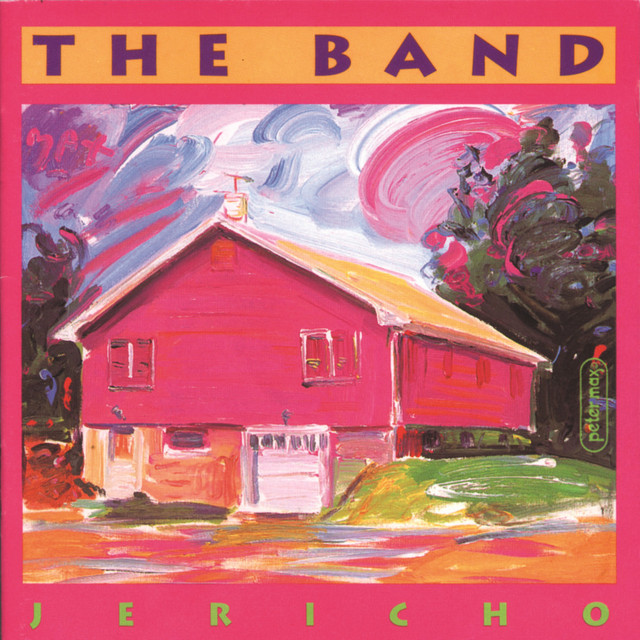
Atlantic City by The Band
A great cover with a hard truth at its center
The meaning of Atlantic City The Band starts with a fact: they did not write the song. Bruce Springsteen wrote and first released it on Nebraska in 1982, then The Band recorded their well-known version for 1993’s Jericho. That matters because The Band do not change the story so much as change its emotional weather.
"Atlantic City" - The Band
And they blew up his house, too
Down on the boardwalk they're ready for a fight
Loading lyrics...
Unable to load lyrics
We're unable to display the lyrics at this time. Please try again later.
In simple terms, the song is about a man under crushing pressure. He has debts, poor odds, and few honest ways out. Atlantic City looks like a place where broken lives might restart, but it also looks dangerous, corrupt, and cold. The song holds both ideas at once: doom and hope.

Watch the official Atlantic City
music video
The story they tell: escape, risk, and love
At the narrative level, the song opens in a world of mob violence and public fear. The reference to the Chicken Man
points to the real 1981 murder of Philadelphia crime boss Phil Testa, a detail that anchors the song in a grim East Coast underworld. It is not random scenery. It tells listeners that the speaker lives near power, crime, and collapse.
From there, the plot narrows into something intimate. The narrator has worked, saved money, and still cannot get free. When he says he has debts that no honest man can pay, the song frames crime not as glamour but as pressure. Atlantic City becomes a last-chance destination, not a vacation.
A quick timeline of the song’s action
- Violence and instability shape the setting.
- The narrator admits financial desperation.
- He asks his partner to come with him.
- He hints he may do a criminal
favor
for someone. - The chorus turns that bad choice into a larger meditation on death and return.
Why the chorus matters so much
The chorus is the key to the whole song. It is not only about one couple running away. It is about whether ruined things can live again.
Everything dies, baby, that's a fact
But maybe everything that dies someday comes back
That is the song’s emotional engine. First comes the blunt truth: endings are real. Then comes the fragile counterpoint: maybe not all endings stay final. In context, this could mean love, luck, a city, or a sense of self.
Interpretation: In The Band’s version, this refrain sounds less like private whispering and more like communal wisdom. Their group vocal feel makes the line sound old, weathered, and tested by life.
Atlantic City as a symbol, not just a place
The city in the song works on two levels. It is a real place shaped by gambling, decline, and organized crime. It is also a symbol of the American promise that one more move, one more night, one more chance might fix everything.
Springsteen wrote the song during a period when Atlantic City was trying to reinvent itself through casino gambling, even as crime and economic strain shadowed that promise, as noted by American Songwriter. That history deepens the song’s meaning. The setting is built on salesmanship: come here, start over, win big. But the verses keep showing the cost.
When the song mentions things like the boardwalk and getting dressed for the night, it mixes romance with danger. The invitation to fix your hair up pretty
sounds tender, but also sad. They are dressing for uncertainty, not celebration.
What The Band add to the meaning
Springsteen’s original on Nebraska is spare, homemade, and haunted. He recorded that album largely as a stark demo, using simple home equipment, and the result feels lonely and trapped. The Band’s version broadens the frame.
Their arrangement is warmer and fuller, with roots-rock drive, layered instruments, and a lived-in ensemble feel. That sound changes how the listener hears the same words. Instead of one man alone with his thoughts, The Band make it feel like a whole community knows this story. People have made desperate bargains before. People have loved each other through them, too.
Levon Helm’s vocal presence is especially important. His weathered delivery gives the song credibility without overacting. He sounds like someone who understands hard towns and hard choices. That helps explain why many listeners connect strongly to this cover.
The deepest themes underneath the plot
Several themes run through the song:
- Desperation: honest work is not enough.
- Moral compromise: survival may demand wrongdoing.
- Love under pressure: the couple stays together even as things worsen.
- Rebirth: the city and the relationship may still revive.
- Fate: some losses cannot be undone.
One of the sharpest lines is south of the line
. It suggests bad luck, failure, and living on the wrong side of success. The song also divides the world into winners and losers, but it does not celebrate that split. It mourns it.
Interpretation: The love story here is real, but it is not purely romantic. The partner may represent witness, loyalty, or the last piece of dignity the narrator has left.
Why this song has lasted
The song has endured because it works as both story and statement. It is specific enough to feel true, yet broad enough to fit many lives. Listeners hear crime drama, economic struggle, and a love song all at once.
The Band’s cover helped carry the song into Americana and roots-rock spaces, and its reputation has remained strong. Rolling Stone has praised the version on Jericho as a highlight, while Springsteen’s original remains one of his most admired songs.
Final takeaway
The meaning of Atlantic City The Band is not that hope beats death in a simple way. It is that people keep reaching for hope even when they know the odds are terrible. That tension gives the song its power.
The Band turn Springsteen’s lonely ballad into something more shared and almost mythic. Their version says that broken places, broken systems, and broken people may not be healed easily, but they still keep moving toward the lights.
Disclaimer: This interpretation is based on the song’s lyrics, historical context, and recorded performances. As with any great song, listeners may hear different meanings in it.








