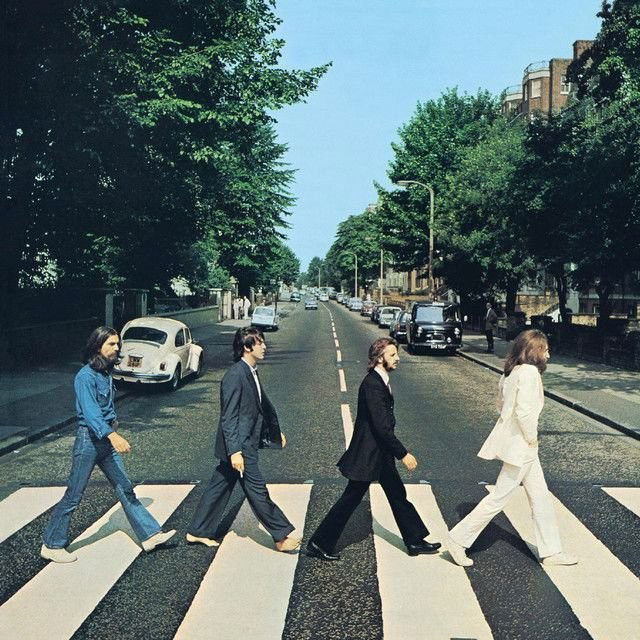
Here Comes the Sun by The Beatles
They know the warmth that hits when the clouds finally part—that’s the emotional center of The Beatles’ “Here Comes the Sun.” For listeners searching the meaning of Here Comes the Sun The Beatles, the answer begins with George Harrison’s relief after a hard stretch and the vivid image of a spring morning that turns worry into calm.
"Here Comes the Sun" - The Beatles
Here comes the sun, and I say
It's all right
Loading lyrics...
Unable to load lyrics
We're unable to display the lyrics at this time. Please try again later.
A winter lifts: the heart of Harrison’s message
The song is a simple, open-armed welcome to renewal. Harrison names the struggle as a long cold lonely winter
, then flips the mood with the promise that Here comes the sun
and, crucially, It’s all right
.
Interpretation: The “winter” is both literal and symbolic—Harrison had been weighed down by business turmoil and band tension. The arrival of spring stands in for clarity, rest, and a return to joy. That’s why the language stays plain and direct; it invites anyone who’s endured a rough season to feel the thaw.
Watch the official Here Comes the Sun
music video
Who’s speaking, and what they feel
The narrator speaks in the first person, gently addressing a “little darling” as if encouraging a close friend—or himself—to trust change. The private reassurance of It’s all right
becomes communal as the melody widens and the harmonies bloom. In this reading, the voice is someone stepping back into light, choosing hope out loud.
From garden escape to Abbey Road
Factually, Harrison wrote the song in early 1969 while walking in Eric Clapton’s garden after skipping an Apple Corps meeting. That break from paperwork and conflict sparked the lyric and the breezy, fingerpicked guitar figure. The Beatles recorded it in July and August 1969 at EMI (Abbey Road) Studios for Abbey Road, with Harrison on acoustic and Moog synthesizer, Paul McCartney on bass and vocals, and Ringo Starr on drums. John Lennon, recovering from a car crash, did not appear on the track.
Harrison capoed his acoustic high (7th fret) to give the guitar a bright, ringing sheen, and the final take was slightly varispeeded. Orchestral parts arranged by George Martin add warmth without crowding the mix. These choices support the lyric’s sunrise: instruments enter gradually, the colors get brighter, and the whole track feels like a room filling with light.
The hook that heals
The refrain pairs a simple image with a promise: Here comes the sun
… It’s all right
. The bridge turns devotional, repeating a single image until it glows:
Sun, sun, sun, here it comes Sun, sun, sun, here it comes
Interpretation: Repetition works like a mantra—each return loosens fear and steadies the listener. It’s not just description; it’s a practice in staying with hope.
Symbols and lines decoded
- Winter: The
long cold lonely winter
stands for fatigue, isolation, and doubt. It frames the before picture. - Faces: When the
smile's returning
, the song zooms out to a community level. Relief is contagious. - Ice:
I feel that ice is slowly melting
captures cautious optimism. It’s change you can sense but not rush. - Time: Phrases about it seeming like years stretch the feeling of delay, amplifying the pay-off when warmth finally arrives.
Together, these images keep the meaning of Here Comes the Sun The Beatles grounded in everyday life: weather shifts, moods shift, people brighten.
How the sound carries the sunrise
Musically, the verses move with a friendly lilt in A major, while the bridge slips into additive meters (11/8 + 4/4 + 7/8). That rhythmic lift, inspired by Harrison’s interest in Indian music, makes the “sun” figure feel like it’s climbing the horizon. The Moog synthesizer glows more brightly as the track unfolds, mirroring the lyric’s growing light. Handclaps, strings, and layered harmonies add warmth without heaviness—an arrangement that says, sonically, “keep moving toward the day.”
Why it still resonates
Decades on, the song has become the Beatles’ most-streamed track globally and a centerpiece of Abbey Road’s legacy. Part of that endurance is usefulness: it’s the tune people reach for at graduations, recoveries, and new starts. Another part is design. The language is clear, the melody welcoming, and the production gently futuristic for 1969. It makes hope feel simple, not forced.
Takeaway
Harrison wrote a real-time breath of relief and set it to music that sounds like dawn. That blend of image, feeling, and craft explains the lasting meaning of Here Comes the Sun The Beatles: a small song that keeps opening the blinds on hard days.
Disclaimer: Interpretation sections reflect informed analysis; listeners may find their own meanings in the song.








