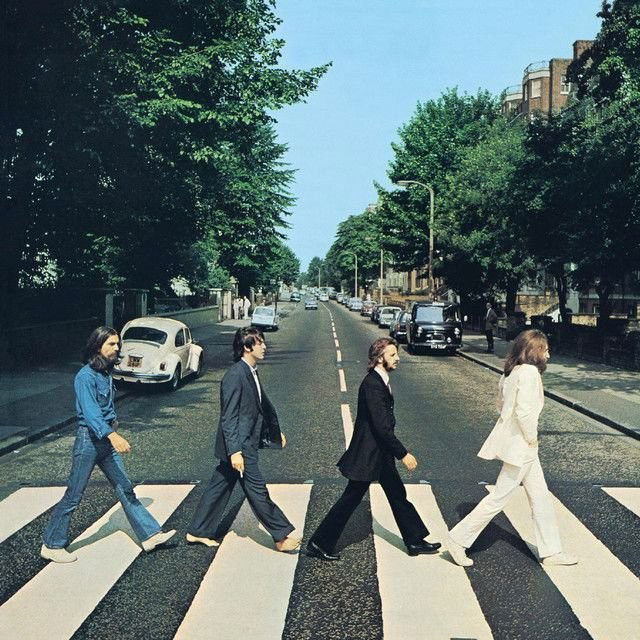
She Came in Through the Bathroom Window by The Beatles
Why This Beatles Song Feels Funny and Uneasy
The meaning of She Came in Through the Bathroom Window The Beatles starts with a strange image and turns into something more human. On the surface, the song sounds witty, fast, and almost casual. But underneath that light touch, it tells a story about intrusion, fame, confusion, and a woman who moves through life in a restless way.
"She Came in Through the Bathroom Window" - The Beatles
Oh, look out, it's
She came in through the bathroom window
Loading lyrics...
Unable to load lyrics
We're unable to display the lyrics at this time. Please try again later.
The song appears on Abbey Road as part of the long medley, and that setting matters. Surrounded by fragments and quick transitions, it feels like a snapshot instead of a full biography. That gives the lyrics a dreamlike quality, where details flash by but never fully settle.

Watch the official She Came in Through the Bathroom Window
music video
The Real-Life Story Behind the Lyric
One important fact shapes how many listeners hear the song. Paul McCartney has said the title came from a real incident in which a Beatles fan entered his home through a bathroom window. In Beatles history, that story is linked to the group’s intense fame and the boundary-crossing behavior of some fans, as noted in The Beatles Bible and discussed by McCartney in Anthology.
That background does not explain every line, but it gives the song its starting point. The woman in the lyric is not only a single character. She also represents the way celebrity can invite obsession, curiosity, and invasion.
What the Song Is About at Its Core
At its heart, the song sketches a woman who is hard to pin down. She enters dramatically, seems privileged or protected, then drifts into a life that feels unstable. The narrator watches her with a mix of humor, sympathy, and distance.
When the song opens with she came in through the bathroom window
, it presents entry without permission. That image is comic, but also unsettling. It suggests that normal boundaries no longer work.
Then the lyric adds protected by a silver spoon
, hinting that she may come from comfort or advantage. In plain terms, the song seems to say that even someone with help and status can still end up lost. The next image, wanders by the banks
, pushes her into a private fantasy world, as if she retreats into herself.
A Character Study in Fragments
The woman at the center
The song never gives a complete profile. Instead, it offers bits of identity: she says she was a dancer, she worked constantly, and she tries to help. These details make her feel energetic but unstable, almost like someone performing different selves.
That matters because the song is not written as a neat moral lesson. It is more interested in contradiction. She can be vulnerable and disruptive at once.
The narrator’s role
The narrator is also slippery. They seem close enough to know her story, but not close enough to save her. When the song asks didn't anybody tell her?
, the line sounds less like blame and more like sad disbelief.
Later, the narrator says they left the police department and found ordinary work. Whether that line is literal or exaggerated, it changes the song’s angle. The speaker moves from authority to everyday life, which may suggest a wish to step away from chaos.
How the Lines Connect to Bigger Themes
Several themes run through the song:
- Fame and intrusion: The title image points to broken privacy.
- Privilege and drift:
silver spoon
suggests comfort that does not guarantee stability. - Performance and identity: Her claim that
she'd always been a dancer
makes life sound like nonstop acting. - Misfit morality: The line about stealing but not robbing draws a strange distinction between petty wrongdoing and serious harm.
That last idea is especially sharp. The song seems amused by the way people excuse certain behavior while condemning other kinds. It presents ethics as blurry, not fixed.
What the Chorus Adds
The repeated question and the odd chain of days on the phone create a sense of social noise. People are talking, passing messages, maybe gossiping, but no one is truly helping. The chorus sounds busy, yet empty.
Sunday's on the phone to Monday
Tuesday's on the phone to me
This is the song’s one multi-line burst of absurdity. In context, it feels like a world of endless chatter and little clarity. Interpretation: the woman is surrounded by contact but still not understood.
How the Music Carries the Meaning
The track’s sound keeps the story from becoming heavy. Built from tight rock rhythms, bright guitar, and a bouncy vocal delivery, it moves with confidence even when the lyrics describe confusion. That contrast is a classic Beatles move: troubling material wrapped in melodic charm.
Because it sits inside the Abbey Road medley, the song also feels in motion before it even begins. It arrives quickly and leaves quickly. That musical structure matches the lyric’s portrait of a person who cannot be contained.
The performance adds warmth rather than judgment. Instead of sounding angry, the band sounds amused and alert. That keeps the woman from becoming a villain. She remains a puzzle.
Alternate Readings Worth Considering
One reading is straightforward: the song is a playful retelling of a real fan invasion, expanded into surreal storytelling.
A second reading sees the woman as a symbol of the 1960s counterculture after its hopeful peak. Under this view, freedom has turned scattered, theatrical, and a little sad.
A third reading focuses on class. The song may suggest that wealth, charm, or social access do not protect people from emptiness. Interpretation: that is why the privileged image and the drifting image sit side by side.
Why the Song Still Connects
Part of the song’s power is that it never explains too much. It gives listeners a memorable character, a few funny lines, and a feeling of life slipping out of order. That mix makes the song easy to enjoy and rewarding to revisit.
For many listeners, the meaning of She Came in Through the Bathroom Window The Beatles is not one fixed message. It is a clever portrait of intrusion, identity, and emotional disarray, told with a smile that never fully hides the unease.
Disclaimer: This interpretation combines documented background with critical reading of the lyrics and sound. Some meanings remain open to listener interpretation.









