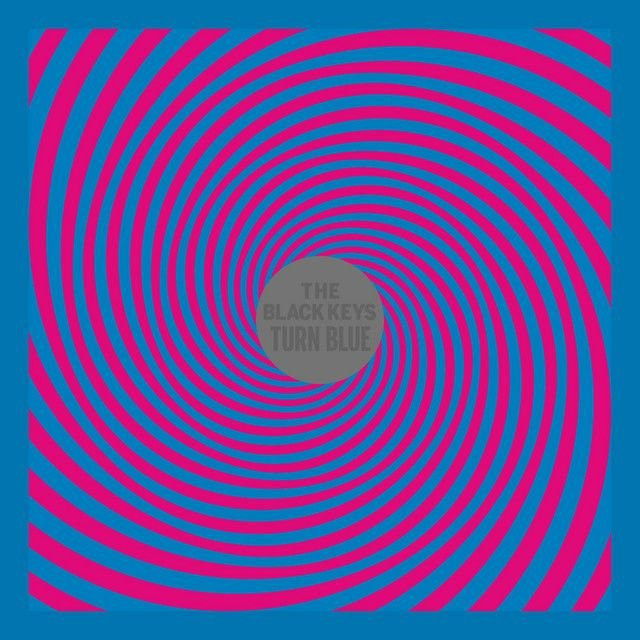
Fever by The Black Keys
Why This Song Feels So Addictive
The meaning of Fever The Black Keys starts with a contradiction: the song sounds bright, danceable, and catchy, but its words describe confusion, guilt, and emotional dependence. Released on March 24, 2014, as the lead single from Turn Blue, “Fever” became one of the band’s biggest rock-radio hits and later earned Grammy nominations for Best Rock Song and Best Rock Performance. Factually, it was written by Dan Auerbach, Patrick Carney, and Brian Burton, better known as Danger Mouse.
"Fever" - The Black Keys
Fever, where'd you run to?
Actin' right is so routine
Loading lyrics...
Unable to load lyrics
We're unable to display the lyrics at this time. Please try again later.
That split between upbeat sound and troubled feeling is the key to the song. They built something that moves like a party record but feels like a personal unraveling. The result is a song about being pulled toward something intense even when it hurts.

Watch the official Fever
music video
The Core Meaning: Desire as a Condition
At its center, “Fever” treats attraction like an illness. The singer does not describe love as stable or comforting. Instead, he talks to “fever” as if it were a force with its own will, asking where it went and why it will not answer. When he repeats where'd you run to?
, the song frames desire as something that has disappeared but still controls him.
Interpretation: This “fever” can be heard as romantic obsession, temptation, or even the rush of self-destructive behavior. The lyrics support all three readings because they keep the object vague. That vagueness is part of the song’s power: listeners can place their own version of longing into it.
The song also suggests that ordinary behavior feels empty next to that thrill. The line with actin' right is so routine
makes normal life sound dull. In other words, the singer knows the safer path, but he is bored by it. He wants the emotional high back, even if it comes with pain.
A Narrator Caught Between Pleasure and Damage
The Push and Pull in the Verses
Throughout the verses and chorus, the singer sounds trapped. He admits he is breaking, aching, and feeling guilty, yet he still reaches for the same force that is hurting him. When he says I'm a slave to
this feeling, he presents himself as someone who has lost control.
That is why the song feels less like a simple love song and more like a portrait of compulsion. The narrator is not just in love; he is dependent on the sensation. He even seems to understand the damage. The guilt in the chorus shows self-awareness, but not freedom.
Fever, why won't you explain?
Break it down again
Those lines capture the cycle. He wants clarity, but what he gets is collapse. The phrase about breaking down can mean emotional collapse, the end of a relationship pattern, or the repeated failure to escape the same desire.
How the Chorus Turns Confusion into Theme
The chorus is simple, which makes it hit harder. They repeat the title like a chant, almost like the singer is summoning the thing that controls him. That repetition mirrors obsession itself. He cannot move on, so the song cannot move on either.
This is also where the song becomes relatable. Many people know the feeling of chasing something that once felt exciting but now brings stress. The lyric about it once being a blessing but now causing strain shows how pleasure changes over time. What began as liberation becomes pressure.
Interpretation: In that sense, “Fever” is about the afterlife of excitement. The rush is gone, but the need remains.
Sound First, Meaning Second—and That Matters
Dan Auerbach told NPR’s All Songs Considered that “Fever” began with the melody, and that he and Patrick Carney kept the bass and drums “simple and dancey,” aiming for something upbeat, “sort of like Motown.” That origin story matters because it explains why the song’s meaning works so well. The music does not simply decorate the lyrics; it complicates them.
The groove is tight and propulsive. The drums stay steady, the bass keeps things moving, and the melody is sticky almost immediately. Brian Burton’s synth work and production add shimmer and haze, helping the track sit between garage rock, pop, and psychedelic rock. Critics at the time noticed that blend, with Rolling Stone describing the song as hypnotic and groove-driven.
So even when the lyrics show emotional instability, the music keeps dancing. That tension is the whole point. They make turmoil sound seductive.
Context from Turn Blue
“Fever” fits the mood of Turn Blue, an album that leaned more into texture, mood, and atmosphere than some of the band’s earlier, rawer work. Patrick Carney said the band wanted to explore “moods, textures and sounds” on the record. That wider album context helps explain why “Fever” feels both immediate and slightly foggy.
It is also worth noting that Danger Mouse co-wrote the song’s ending coda with the band. That final section, with its colder image of light in someone’s eyes and distant horizon lines, adds a more cinematic feeling. Instead of solving the song’s mystery, it opens it up.
Interpretation: That closing image may suggest a warning: do not walk away from the person, or from the feeling, once its power reaches full force. It is one more sign that the song treats desire like something bigger than reason.
Final Take on the Meaning of Fever The Black Keys
The meaning of Fever The Black Keys is not hidden in one clever line. It lives in the clash between sound and emotion. They created a song about craving, dependency, and the way excitement can turn into distress, then wrapped it in an irresistible beat.
That is why “Fever” lasts. It captures a common human pattern: knowing something is bad for them, but wanting it anyway. Interpretation: listeners may hear romance, addiction, temptation, or emotional relapse in the song. All of those readings fit the words and the mood.
Disclaimer: Song meaning is always open to interpretation. This reading separates documented facts about the song from informed analysis of its lyrics and themes.







