
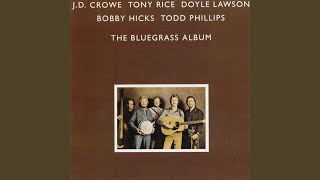
Molly and Tenbrooks by The Bluegrass Album Band
The meaning of Molly and Tenbrooks The Bluegrass Album Band starts with a simple setup: two famous horses, one huge race, and a crowd waiting to see who breaks first. But the song is more than a sports recap. It turns a horse race into a folk drama about pride, regional identity, speed, fate, and the way old songs make legends feel even bigger than life.
"Molly and Tenbrooks" - The Bluegrass Album Band
Tenbrooks gonna beat you, to the bright shining sun
To the bright shining sun, oh, Lord, to the bright shining sun
Loading lyrics...
Unable to load lyrics
We're unable to display the lyrics at this time. Please try again later.
The track comes from a song much older than the band itself. According to Wikipedia, it grew out of a late-19th-century story linked to the 1878 match race between Ten Broeck and Mollie McCarty in Kentucky. That real race drew about 30,000 people, which helps explain why the song feels so public and so loud. In folk tradition, a major event like that does not stay a fact for long. It becomes a tale.
A Race Song That Feels Like a Ballad
At its core, the song is about competition under pressure. The repeated call to run ol' Molly run
creates urgency right away. Even before listeners know every detail, they can hear fear, excitement, and challenge in the refrain.
The song then builds each horse into a character. Tenbrooks is described as powerful and proven, the kind of racer who can supposedly beat the Memphis train
. That image is not meant as literal reporting. It is folk exaggeration, a classic way of saying this horse is so fast that ordinary measures no longer work.
Molly, meanwhile, is not treated like a weak rival. She is tough, proud, and dangerous enough to deserve her own legend. That matters because the song needs both horses to feel large. Without a worthy challenger, there is no story.
Watch the official Molly and Tenbrooks
music video
The Story Moves Like Live Commentary
One reason the song lasts is its pace. Each verse pushes the action forward in short, vivid scenes. Listeners hear boasts, warnings, crowd reactions, and sudden shifts in momentum.
The big beats in the narrative
- The race is framed as a test of speed and nerve.
- Tenbrooks enters with an almost superhuman reputation.
- Molly answers back, which keeps the contest alive.
- The crowd reacts as if the result affects everyone.
- The ending turns harsh and mythic, not just factual.
That last point is important. The song says Molly is beaten so badly that a coffin is ready. Historically, that is not true. Mollie McCarty did not die from the race; she lived for years afterward. So this is where folk song logic takes over. It chooses emotional truth over literal accuracy.
Kyper, Kyper, Kyper my son
Give ol' Tenbrooks the bridle
let ol' Tenbrooks run
This brief passage captures the song's dramatic method. It sounds like shouted advice from the trackside, almost like someone trying to wrestle control back in the heat of the moment.
What the Song Is Really Saying
Interpretation: beneath the race plot, the song is about how American folk music turns public contests into moral theater. Winning is not just winning. It becomes proof of grit, breeding, place, and destiny.
Tenbrooks stands for unstoppable force. Molly stands for pride and resistance. When the lyrics mention fever in my head
, they add strain and vulnerability to the contest. Racing here is not graceful sport. It is punishing, hot, and close to collapse.
The crowd scenes matter too. When women laugh, children cry, and men holler, the race becomes a community event. Everyone projects feeling onto it. That is part of the meaning of Molly and Tenbrooks: the race is personal to people who are not even riding.
Bluegrass Sound, Hard Edges
The Bluegrass Album Band did not write the song, but they were perfectly built to carry it. The group was known for honoring classic bluegrass repertoire with elite picking and tight ensemble playing; the band's background is summarized by the Bluegrass Hall of Fame. That matters here because this song needs drive more than polish.
In a bluegrass setting, fast mandolin chop, rolling banjo, and sharp fiddle lines make the race feel physical. The rhythm does what the story describes: it surges forward. The vocal delivery also helps. Rather than sounding distant or literary, the singers make the verses feel passed down, shouted out, and tested in performance.
Why the arrangement fits the meaning
- Quick tempo mirrors racing speed.
- Acoustic attack gives the song grit.
- Group vocals make it feel communal.
- Traditional picking connects the band to older versions.
This is a good example of production serving narrative. Bluegrass often turns motion into sound, and that is exactly what this story needs.
Fact, Myth, and Regional Pride
The song also carries a Kentucky-versus-California flavor. That tension gives it extra life. It is not just one horse against another; it is one identity against another. Folk songs often sharpen those boundaries because audiences enjoy choosing sides.
Interpretation: listeners can hear the song as a celebration of home-field pride. Tenbrooks comes off like the local champion defending honor. Molly represents the feared outsider. When the song says she done as she pleased
out West but lost in Kentucky, it frames the race as a return to someone else's ground and rules.
At the same time, the song leaves room for sympathy. Molly is not mocked into insignificance. She is remembered because she was strong enough to matter.
Why It Still Connects
The meaning of Molly and Tenbrooks The Bluegrass Album Band lasts because it mixes three pleasures at once: a catchy chorus, a clear story, and a larger legend behind the details. Listeners do not need to know horse-racing history to feel the tension.
They only need to hear a contest where speed becomes destiny and memory turns fact into folklore. That is why the song still lands. It sounds like a race, but it feels like a myth people keep retelling because they love the sound of victory, danger, and the crowd roaring around both.
Disclaimer: This interpretation separates documented history from the song's storytelling and reflects a good-faith reading of the performance, lyrics, and bluegrass context.







