Why "Wake Up Boo!" Feels Happy and Fragile
The meaning of Wake up Boo! The Boo Radleys is easy to miss if listeners only hear its bright hook. On the surface, it is one of the most cheerful singles of the Britpop era. Underneath, it is a song about how joy can feel urgent because it never lasts forever.
"Wake up Boo!" - The Boo Radleys
I don't mind to pretend I do seems really dumb
I rise as the morning comes
Loading lyrics...
Unable to load lyrics
We're unable to display the lyrics at this time. Please try again later.
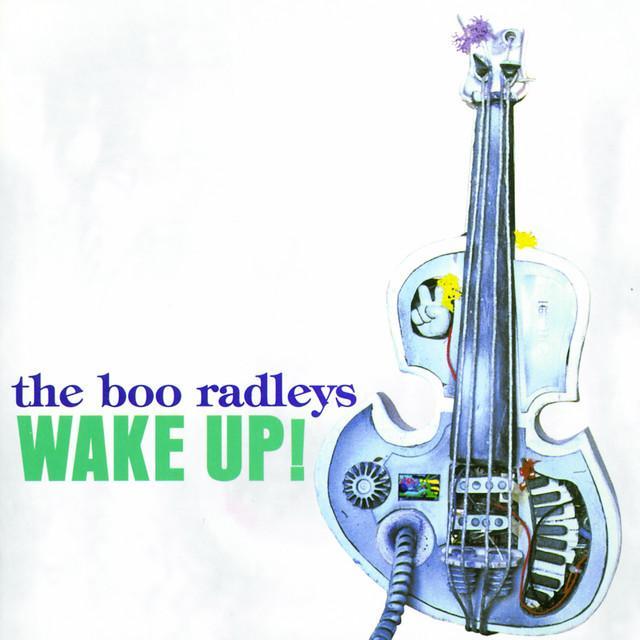
Released in 1995 as the lead single from Wake Up!, the track became the band's biggest hit, reaching No. 9 in the UK and helping define their most accessible pop moment. It was written by Martin Carr and produced by the band. Factually, it sits at the meeting point of indie rock, guitar pop, and Britpop. Emotionally, it lives between sunrise excitement and creeping doubt.
A Morning Song With a Clock Ticking
At the center of the song is a simple scene: one person is awake, energized, and trying to pull someone else into the day. The narrator sees morning light, feels unusually alive, and wants that feeling shared. The repeated call to Wake up
is not just practical. It is emotional.
They are saying: do not waste this moment. The day feels special, maybe even rare. That is why the chorus lands so strongly. When the song calls it a beautiful morning
, it sounds like celebration, but also like a plea.
Interpretation: the key tension is that the singer believes happiness is real, yet temporary. The phrase very last time
adds a shadow to the chorus. Even in the middle of a glowing pop song, they seem aware that seasons change, relationships shift, and moods crash.

Watch the official Wake up Boo!
music video
The Push and Pull Between Two Mindsets
One of the best ways to understand the meaning of Wake up Boo! The Boo Radleys is to notice that the song stages a clash between outlooks. One voice leans toward wonder. Another seems drawn to gloom.
The verses show someone who has been awake all night, overstimulated and emotional, looking at the morning as a chance to start fresh. They feel almost reborn. That energy comes through when the song says I felt this alive
. It is a small phrase, but it carries the whole emotional lift of the track.
Then the darker side enters. Near the end, the lyric accuses the other person of seeing death everywhere. That shift matters because it stops the song from becoming simple optimism.
But you've gonna say, what you want to say
You have to put the death in everything
Paraphrased, the idea is clear: even this lovely morning can be ruined by a habit of turning everything bleak. That contrast was noted in later comments from the band, with singer Sice describing the song as being about catching the last of summer while also reflecting Martin Carr's swings between ebullience and darkness.
Summer, Youth, and the Fear of Losing Both
The opening sets the song at the edge of a season. Summer is fading, the day is already slipping away, and the narrator refuses to sink into apathy. That detail makes the song bigger than one morning in bed.
Interpretation: summer works as a symbol for youth, freedom, and emotional openness. When the song celebrates the present so intensely, it is partly because that season is ending. The singer is not just waking someone up from sleep. They are trying to wake them up to life itself.
That is why the age reference matters too. At twenty-five, the narrator feels a sudden rush of vitality. Instead of treating adulthood as dull or settled, the song presents it as a moment of heightened awareness. They are old enough to know good times pass, but still young enough to chase them.
Why the Music Sounds So Bright
The production helps tell the story. According to widely cited accounts, the Boo Radleys first recorded the track in a heavier, more downbeat form before reworking it at Rockfield Studios into the version listeners know. The final arrangement used a Motown-style beat and a brass section linked to Tom Jones' band.
That choice was crucial. The drums move with bounce, the horns lift the chorus, and the harmonies give it a classic pop glow. Critics at the time heard echoes of the Beatles, the Mamas and the Papas, and 1960s sunshine pop. The result is music that feels like open curtains and fast heartbeat.
This matters because the sound does not erase the darkness in the lyric. It outruns it. The band turns emotional conflict into motion. Even when the words hint at dread, the arrangement keeps pushing forward, as if joy is an act of will.
A Britpop Hit With More Depth Than It First Shows
Part of the song's lasting appeal is that it worked as radio pop without losing its complexity. In 1995, its brassy energy fit the wider Britpop moment, but it also stood apart because of how bittersweet it was.
Interpretation: listeners can hear it in at least two ways:
- as a love song urging a partner to share the morning
- as a broader anthem about grabbing life before it fades
Both readings work. The song is intimate in scene, but universal in feeling. It captures the strange mix of excitement and sadness that comes when people realize a great moment is happening while it is still happening.
The Lasting Meaning of "Wake Up Boo!"
In the end, the meaning of Wake up Boo! The Boo Radleys lies in that contradiction. It is a song about delight, but not innocence. It believes in the beauty of the morning because it knows the morning will end.
That is why the track still feels fresh. Its hook is huge, but its emotional truth is even bigger: people often love life most when they sense how fragile it is.
Disclaimer: This interpretation combines documented context with lyrical analysis. As with most songs, some meanings remain open to listener interpretation.







