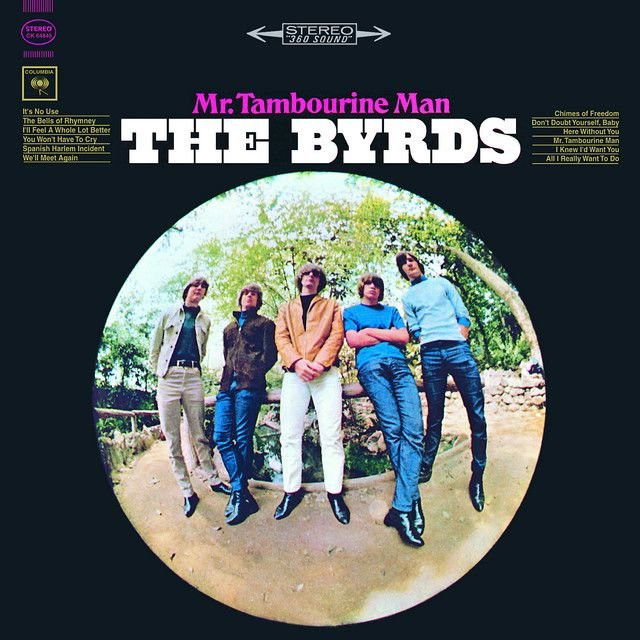
How The Byrds Turned ‘Mr. Tambourine Man’ Into Escape
The meaning of Mr. Tambourine Man The Byrds starts with a simple request and opens into something larger. In their hit version of Bob Dylan’s song, they present music as a way out of numbness, routine, and emotional drift. The singer is not just asking for entertainment. They are asking to be carried somewhere their ordinary mind cannot reach.
"Mr. Tambourine Man" - The Byrds
I'm not sleepy and there ain't no place I'm going to
Hey, Mr. Tambourine man, play a song for me
Loading lyrics...
Unable to load lyrics
We're unable to display the lyrics at this time. Please try again later.
Factually, the song was written by Bob Dylan and recorded by The Byrds for their 1965 debut single and album era, a release widely seen as a key moment in the rise of folk-rock (Britannica, The Recording Academy). That context matters because The Byrds gave Dylan’s surreal writing a new sound: brighter, tighter, and more radio-ready.
The Real Heart of the Song
At its core, the song is about surrendering to music as a guide. The narrator feels cut off from the world, almost floating outside normal time. When they ask, play a song for me
, they are really asking for motion, meaning, and release.
This is why the opening feels restless rather than sleepy. Even when the singer says there is no place I'm going to
, the line does not sound calm. It sounds stuck. The tambourine man becomes a figure who can break that stalled feeling.
Interpretation: Many listeners hear the song as a portrait of creative hunger. The narrator wants sound to do what ordinary life cannot do: wake the senses, loosen the self, and open a doorway into imagination.
Watch the official Mr. Tambourine Man
music video
A Guide, a Muse, or a Symbol?
The title figure is one of the song’s biggest mysteries. He could be a literal street musician, but that reading feels too small for the imagery that follows. The tambourine man is better understood as a symbolic guide.
They may represent:
- a musician leading the listener into trance
- a muse calling the artist toward inspiration
- a spiritual figure offering release from daily life
- music itself, turned into a person
When the narrator promises to follow in the jingle jangle morning
, the image blends sound and setting. Morning usually suggests clarity or renewal, but here it arrives through rhythm. The new day is not reached by sleep or reason. It is reached by song.
The Images of Drift and Disconnection
One reason the song endures is its dreamlike language. The narrator describes being dulled, stripped down, and unable to fully act. That makes the request for movement more urgent.
The line about a magic swirling ship
suggests a trip beyond ordinary limits. Importantly, the song never explains exactly where that trip leads. That vagueness is part of the point. The destination is less important than the change in consciousness.
Then the body imagery deepens the feeling of disconnection. The singer’s senses are weakened, their grip is gone, and even walking seems uncertain. In plain terms, they feel detached from the physical world. The tambourine man offers a way to move anyway.
I'm ready to go anywhere
I'm ready for to fade
These two short lines capture the song’s emotional pivot. The narrator stops resisting and accepts transformation. They are willing to lose their fixed identity if music can carry them forward.
How The Byrds’ Sound Changes the Meaning
The Byrds’ version matters because the arrangement reshapes how the lyrics land. Their recording, produced in the group’s early Columbia period, is famous for its bright 12-string electric guitar sound, especially Roger McGuinn’s ringing lead style, which helped define folk-rock (Rock & Roll Hall of Fame, Britannica).
That chiming texture makes the song feel airborne. Instead of sounding heavy or troubled, the track glides. The steady beat and layered harmonies suggest uplift, even when the words describe numbness and fading.
This contrast is crucial to the meaning of Mr. Tambourine Man The Byrds. The lyrics describe uncertainty, but the music gives that uncertainty direction. They turn confusion into motion. In The Byrds’ hands, escape sounds inviting rather than frightening.
Is It About Drugs? Or Something Broader?
This question follows the song everywhere. Some listeners connect its drifting images and altered senses to drug experience. That reading did not come from nowhere; the language is open, strange, and sensory.
But fact and interpretation should stay separate. Dylan said in interviews over the years that the song was not simply a drug song, and critics have often noted broader meanings tied to fatigue, vision, and artistic freedom (Bob Dylan official site, Rolling Stone).
Interpretation: The strongest reading is that the song uses dream imagery to describe escape in a larger sense. That can include art, memory, spiritual longing, or a desire to step outside the pressures of everyday life.
Why the Chorus Still Connects
The chorus keeps returning to a plea, but it never feels repetitive in a dull way. Each repetition sounds more like trust. The singer is not demanding control. They are giving it up.
That emotional move is why the song still reaches people. Almost everyone knows the feeling of being mentally far away, unable to move with purpose, and hoping that one song, one voice, or one moment of beauty might pull them back into motion.
Lasting Meaning in American Pop
The Byrds’ recording helped bring poetic ambiguity into mainstream U.S. pop radio. It proved that a hit song could be catchy and mysterious at once. That balance is a big reason listeners still search for the meaning of Mr. Tambourine Man The Byrds today.
In the end, the song is less about a person than a process. It shows someone standing at the edge of emptiness and asking music to lead the way. Interpretation: Its power comes from leaving that journey open enough for each listener to enter.
Disclaimer: This interpretation blends documented context with informed reading of the lyrics and sound. As with many classic songs, some meanings remain intentionally open.








