Why 'Travelin' Soldier' Still Breaks Hearts
The meaning of Travelin' Soldier Dixie Chicks comes from how gently it tells a crushing story. On the surface, it is a simple narrative: a shy young soldier meets a girl, they build a bond through letters, and war takes away the future they imagined. But the song lasts because it does more than tell a sad romance. It shows how war can make one private loss feel invisible to everyone except the person left behind.
"Travelin' Soldier" - Dixie Chicks
He was waiting for the bus in his army green
Sat down in a booth in a cafe there
Loading lyrics...
Unable to load lyrics
We're unable to display the lyrics at this time. Please try again later.
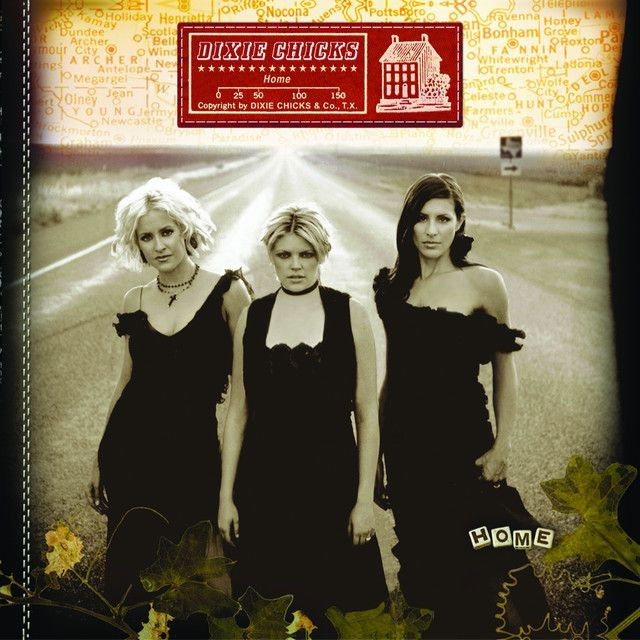
Bruce Robison wrote the song and first recorded it in the 1990s. The best-known version came from the Dixie Chicks on Home in 2002, produced by the group with Lloyd Maines. It was released as a single on December 9, 2002, and reached No. 1 on Billboard's Hot Country Songs chart, becoming one of their signature recordings. It has also been recognized as one of the era's major country songs. These facts are widely documented in reference sources and music coverage.
A Love Story Told in Small, Ordinary Details
What makes the song so effective is its plain storytelling. It begins with everyday images: a bus stop, a café, a booth, a girl working a shift. That ordinary setting matters. The young man is not introduced like a heroic symbol. He is just a kid in army green
, looking lonely and unsure of himself.
The girl is also drawn through one memorable detail, the bow in her hair
. That image gives the story innocence. They are young, awkward, and not fully prepared for the emotional weight about to fall on them.
Interpretation: The song's first message is that life-changing love can begin in a tiny moment. Nothing grand happens at first. A smile, a conversation, and a request to write letters are enough to create a bond. That simplicity makes the later loss feel more real.

Watch the official Travelin' Soldier
music video
How the Letters Turn Distance Into Intimacy
Once the soldier leaves, the relationship grows through correspondence. The song moves from flirtation into emotional dependence. He writes from training and then from Vietnam, sharing fear and hope in a way he probably could not in person.
One key phrase, feeling a little low
, frames him from the start as emotionally isolated. Later, his memory of the day at the pier becomes a mental refuge when war turns harsh. The romance is not built on dramatic scenes together. It is built on imagination, memory, and waiting.
it's getting kinda rough over here
won't be able to write for a while
Those brief lines signal the turn. The song never describes combat directly. Instead, it lets the missing details do the work. That choice keeps the focus on human consequences rather than battlefield spectacle.
The Chorus Turns Devotion Into Tragedy
The chorus sounds like a promise, but it is really the shape of grief arriving before the ending. When the girl says she is waitin' for the love
of a travelin' soldier, the song captures youthful certainty. She believes love can outlast distance and danger.
Interpretation: That certainty is exactly what makes the chorus hurt. It is not naïve because her feelings are fake. It is painful because her faith is sincere. The song honors her devotion while showing that sincerity does not protect people from history.
This is one reason the meaning lands so hard. The chorus does not just repeat emotion. It creates dramatic irony. Listeners begin to sense that the dream of homecoming may never happen.
The Football Game Scene Changes Everything
The final verse is among the most devastating in country music because it shifts from private letters to a public ritual. A Friday night football game, a prayer, the anthem, and a reading of local war dead place the story inside a distinctly American setting. The contrast is brutal: communal ceremony on one side, private heartbreak on the other.
Then comes the emotional center of the song. The crowd hears another name. She hears the end of her world. The line about nobody caring except the girl with the bow in her hair shows how easily a life can be reduced to one name in a list.
Kevin John Coyne of Country Universe praised the song for the story between the lines
, arguing that the loneliness of both characters deepens the tragedy. That is a sharp reading. The song is not only about death. It is about how two lonely people briefly rescued each other, only to be torn apart.
Why the Sound Matters as Much as the Plot
The Dixie Chicks' version works because the arrangement stays restrained. The acoustic-led production, slow pace, and uncluttered mix keep attention on the narrative rather than on vocal showmanship. Natalie Maines sings with control instead of melodrama, which helps the song avoid sentimentality.
That approach fits Home, an album known for rootsy, stripped-back country textures. Here, the music feels almost like a porch-side retelling of a local story. Because the band does not overplay the sadness, the final verse hits harder.
Context Made the Song Even More Powerful
The song was written with Vietnam-era imagery, but the Dixie Chicks released their version in 2002, as the United States was entering another period shaped by war. That timing gave the narrative added relevance. American Songwriter noted that the recording felt newly timely in the early 2000s because young Americans were again being sent into conflict.
Its cultural story became even more complicated after Natalie Maines criticized President George W. Bush in 2003. Reporting from outlets like American Songwriter has pointed out that country radio backlash affected the single's run and changed how many people heard the song. That context does not alter the lyrics, but it does deepen the song's place in American culture: a wartime ballad caught in a real wartime argument.
What 'Travelin' Soldier' Ultimately Means
At its core, the meaning of Travelin' Soldier Dixie Chicks is about the collision between private love and public war. It remembers the young people behind patriotic rituals and casualty lists. It also asks listeners to notice the person left grieving when everyone else moves on.
Interpretation: The song can be heard as a love ballad, a mourning song, and an anti-war song without slogans. Its power comes from refusing to preach. It simply shows what war costs one ordinary pair of young people.
Disclaimer: This interpretation blends documented context with critical reading, so some meaning remains open to listener perspective.








