Why 'To Build a Home' Hits So Deep
The meaning of To Build a Home The Cinematic Orchestra comes down to one simple but painful idea: they can build love, memory, and safety with another person, yet they still cannot make it last forever.
"To Build a Home" - The Cinematic Orchestra
Wooden floors, walls and window sills
The tables and chairs worn by all of the dust
Loading lyrics...
Unable to load lyrics
We're unable to display the lyrics at this time. Please try again later.
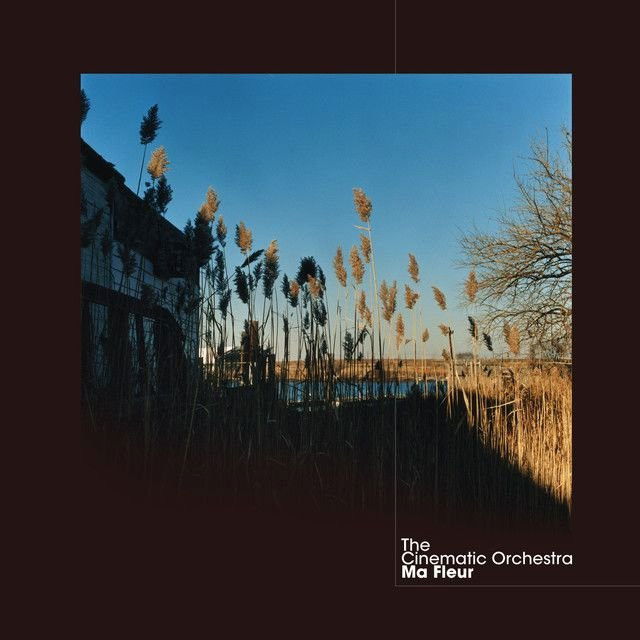
Released on Ma Fleur in 2007, the song pairs The Cinematic Orchestra with Patrick Watson, who provides both vocals and piano. According to widely cited release information, it arrived as a single on 29 October 2007 and became one of the group’s most enduring songs, later earning major certifications and widespread use in film and TV.Wikipedia
A House That Means More Than Walls
On the surface, the lyric describes a home made of stone, wood, furniture, and dust. But the song quickly signals that this place is more than architecture. When the singer says it is where they feel at home
, the line points to emotional shelter, not just a building.
That is the key to the song’s power. The home stands for a shared life: trust, routine, history, and intimacy. It is the space two people make together, whether they are lovers, family, or soul-level companions.
Interpretation: The song treats “home” as a human bond. It is something they build through care and memory, and something they can also lose.

Watch the official To Build a Home
music video
The Chorus Turns Building Into Grief
The emotional center arrives in the repeated idea I built a home
. The phrase sounds proud at first, almost tender. They made something real for you / for me
, and the wording suggests partnership and mutual belonging.
Then the chorus changes direction. What they built disappeared
. That shift is devastating because the lyric does not explain exactly how the loss happened. It could be breakup, death, time, distance, or the slow erosion of closeness.
By keeping the cause vague, the song becomes larger than one story. Listeners can place their own loss inside it.
And now, it's time
to leave and turn
to dust
This brief closing thought connects the house, the body, and memory itself. Everything material fades. Even love, if it cannot stay present, risks becoming part of the past.
The Garden Scene Expands the Story
The second half moves outdoors, into a garden and an aging tree. These images matter because they shift the song from construction to growth. A house is built by choice; a tree grows over time. Together, those images suggest a relationship that was both created and lived in.
The line about planted seeds implies beginnings and hope. The tree being as old as me
links nature to personal history, as if the relationship is woven into identity itself. Climbing the tree to see the world adds a childlike memory, but also a search for perspective.
Then comes the gust that tries to knock the speaker down. They hold on tightly, just as the other person held on to them. That moment turns the song into a memory of dependence and care. Love is not shown as dramatic passion. It is shown as steadiness during pressure.
Why the Music Feels Like Mourning
Part of the meaning of To Build a Home The Cinematic Orchestra lives in the arrangement. The song begins with a small loop of piano chords, then slowly expands into strings and a louder, more sweeping climax.Wikipedia That structure mirrors the lyric’s emotional arc.
At first, the sparse piano feels private, almost like someone sitting alone with memory. As the strings enter, the song gets bigger without becoming busy. The emotions widen rather than rush.
Patrick Watson’s singing is central here. Critics often singled out his vocal performance, with Drowned in Sound calling it “haunting” and The Observer praising Jason Swinscoe’s transformation of simple chord patterns into something powerful.Wikipedia Watson moves from restraint to near-breakpoint, which makes the grief feel lived-in rather than theatrical.
Why It Became a Screen Favorite
The song’s afterlife helps explain its meaning too. It has appeared in shows and films such as This Is Us, Grey’s Anatomy, Suits, and Tinker Tailor Soldier Spy, among many others.Wikipedia Those placements are not random.
Its slow build, plainspoken lyric, and aching arrangement make it ideal for scenes about memory, family, endings, and reunion. By 2022, it had reportedly passed 374 million streams, and it has since earned strong certifications in the U.S., U.K., Canada, and elsewhere.Wikipedia
That wide use has turned the song into a kind of emotional shorthand. When audiences hear it, they often expect a scene about love touched by loss.
Two Strong Ways to Read the Song
There is more than one valid reading:
- Relationship loss: They built a life together, but the bond ended.
- Mortality and memory: The home represents a lifetime that must eventually pass into dust.
Both readings fit the lyric. The first is personal and romantic. The second is broader, almost spiritual.
The Lasting Takeaway
In the end, the song is not only sad. It is also grateful. It honors the beauty of having built something meaningful, even if it could not stay.
That is why the song keeps resonating. The meaning of To Build a Home The Cinematic Orchestra lies in its quiet truth: home is not just where they live. It is what they make with someone else, and what they carry after it is gone.
Disclaimer: This interpretation is based on the song’s lyrics, arrangement, and published release context. Like many great songs, it remains open to personal meaning.









