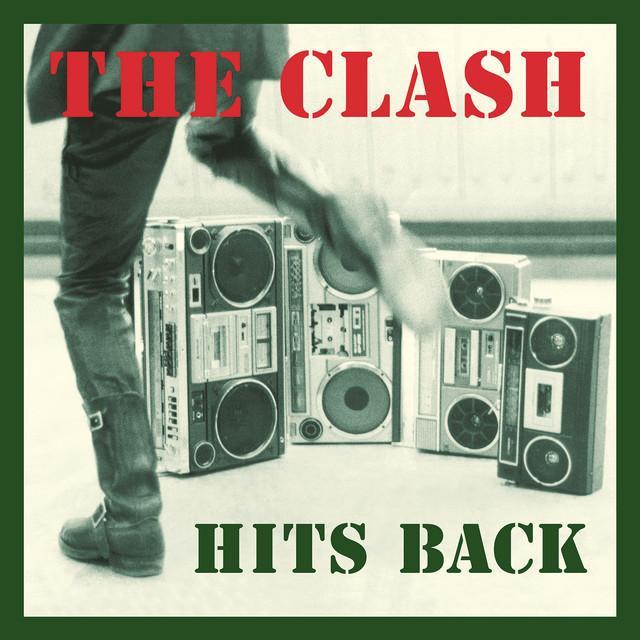
I Fought the Law by The Clash
Why This Punk Cover Still Hits Hard
The meaning of I Fought the Law The Clash starts with a very simple story: someone commits a crime, gets caught, and realizes too late what it cost. But The Clash turn that plain narrative into something bigger. In their hands, the song becomes a fast, tense portrait of rebellion that ends in defeat.
"I Fought the Law" - The Clash
I fought the law and the law won
I fought the law and the law won
Loading lyrics...
Unable to load lyrics
We're unable to display the lyrics at this time. Please try again later.
Factually, The Clash released their version in 1979 on the The Cost of Living EP and later on the U.S. edition of The Clash. The song was written by Sonny Curtis, not the band, and had already been recorded by the Crickets and made famous by the Bobby Fuller Four. Curtis himself praised The Clash version as a “terrific version” in comments later reported by American Songwriter.

Watch the official I Fought the Law
music video
The Core Story Beneath the Chorus
At the center of the song is a jailed narrator looking back on the choices that ruined his life. He is not arguing innocence. He admits he needed money, turned to robbery, and ended up punished. That makes the chorus feel so powerful: I fought the law
is not a political slogan here. It is a confession.
The repeated line the law won
matters because it sounds absolute. There is no loophole, no comeback, no final twist. The singer has lost freedom, love, and any illusion of control.
Interpretation: In The Clash’s version, that blunt ending can also feel larger than one criminal case. It suggests what happens when a person believes they can outfight a system stronger than they are.
A Narrator Trapped by His Own Choices
The verses fill in the damage. One image shows prison labor in the hot sun
, which gives the song its physical weight. This is not abstract punishment. It is exhausting, humiliating, and public.
Then the lyrics shift from crime to personal loss. The narrator says he left the woman he loves, and now his race is run
. In plain terms, his life as he knew it is over.
I left my baby and it feels so bad
Guess my race is run
That short moment is important because it humanizes him. He is guilty, but he is also grieving. The song does not excuse the robbery. It shows that crime destroys ordinary things too: romance, future plans, and self-respect.
What the Hook Really Means
The hook is catchy enough to sound triumphant at first. That is part of the song’s brilliance. A listener can shout along before noticing that the line is about losing.
That tension is key to the meaning of I Fought the Law The Clash. The music surges forward, but the words keep landing on defeat. It is a sing-along built from failure.
Interpretation: This contrast may explain why the song works so well as punk. Punk often celebrates defiance, but it also knows defiance can end badly. The Clash keep both feelings alive at once.
How The Clash’s Sound Changes the Message
Earlier versions had a cleaner rock-and-roll snap. The Clash keep the strong melody, but they add more speed, attack, and pressure. Joe Strummer’s vocal sounds less polished and more lived-in, which makes the regret feel immediate rather than nostalgic.
The band’s lineup on the recording was Joe Strummer, Mick Jones, Paul Simonon, and Topper Headon. According to accounts collected in reference sources, Mick Jones said the band got inspired after hearing the Bobby Fuller Four version on a jukebox while in San Francisco. He also described the recording’s metallic clanging as the band hitting toilet pipes to create a chain-gang effect.
That production detail matters. Those rough percussive sounds reinforce the prison setting and make the punishment feel industrial and hard. The arrangement does not just tell the story; it acts it out.
A Song About Crime, Class, and Consequence
The narrator says he had no money and turned to robbery. That does not justify what he did, but it gives the story social context. This is not a master criminal fantasy. It is a desperate, low-level act that leads to an ugly, predictable end.
The phrase I had none
is small, but it explains the whole spiral. Poverty, bad choices, and punishment get compressed into a few direct lines. That economy is part of why the song lasts.
Interpretation: Some listeners hear the song mainly as a crime-and-punishment tale. Others hear a broader American story about people pushed to the edge, then crushed when they push back the wrong way.
Why The Clash Version Became the Definitive Punk Take
The Clash’s cover helped them gain U.S. airplay in 1979, which is one reason it remains so important in their catalog. It also fit their larger interest in authority, injustice, and street-level survival, even though the lyrics were not theirs.
Their genius was not rewriting the song. It was recognizing that its old rockabilly framework already contained punk energy. By speeding it up and roughing it out, they revealed that the song had always been about collision: person versus system, impulse versus consequence, freedom versus punishment.
Final Take on the Meaning
So, what is the meaning of I Fought the Law The Clash? At its most direct, it is about a man who commits a crime and loses everything. At a deeper level, it is about the false glamour of rebellion and the hard reality that follows.
The Clash make that message hit with extra force. Their version sounds alive, reckless, and urgent, but the ending never changes: the fight is over, and the system stands.
Disclaimer: This interpretation blends documented song history with critical reading of the lyrics and performance. Meaning can vary from listener to listener.








