Why 'Born to Lose' Feels So Bitter
The meaning of Born to Lose The Devil Wears Prada starts with a hard truth: this is not just a song about failure. It is a song about disgust—disgust with false heroes, empty moral posturing, and the way people keep ruining their own lives and then acting surprised.
"Born to Lose" - The Devil Wears Prada
Invoke holy honor, sanctify the patient.
I don't see the world the same.
Loading lyrics...
Unable to load lyrics
We're unable to display the lyrics at this time. Please try again later.
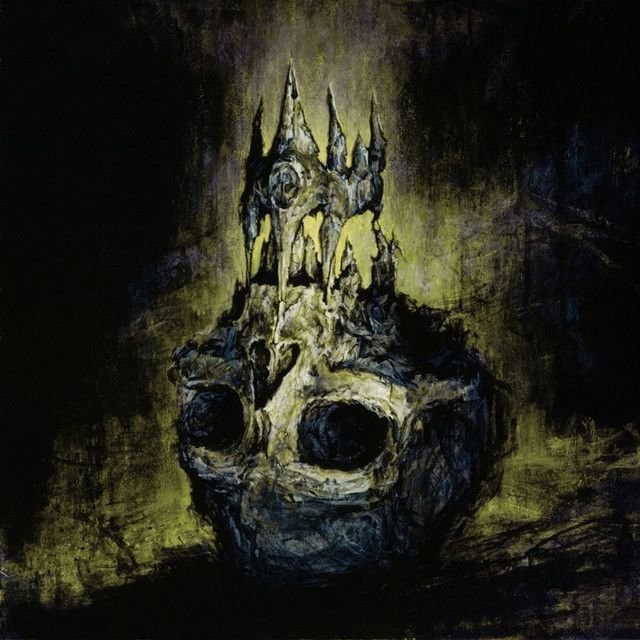
Released as the first single from Dead Throne in 2011, the track sits inside an album the band described as rooted in anti-idolatry. Mike Hranica said the record was largely about putting people and ideas on a figurative throne when they do not belong there, and that "Born to Lose" also carries a self-hating angle. That context matters because the lyrics sound angry at others, but they also sound wounded from within.
The Core Idea Hiding Inside the Rage
At the most basic level, the song argues that people do not really know what they need. They chase causes, heroes, or beliefs and call them sacred, but the result is confusion, conflict, and damage.
That is why the opening attack on idols matters so much. The song quickly moves from public criticism to personal collapse. When the speaker says forget my name
, they are not asking for peace. They are rejecting the idea of being admired at all. In a song about anti-idolatry, even the self gets pushed off the pedestal.
Interpretation: the track sees hero worship as dangerous partly because it always ends in disappointment. If no human being can carry that weight, then both worshipper and idol get crushed.
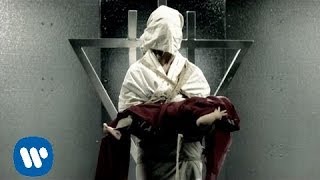
Watch the official Born to Lose
music video
A Voice That Blames Others and Themselves
One reason the song hits so hard is its split perspective. It constantly points outward—calling out foolish and selfish behavior—while also sinking into self-condemnation.
The key phrase is born to lose
. On the surface, it sounds fatalistic, as if the speaker expects defeat no matter what. But in context, it feels more like emotional self-sentencing. Hranica told Songfacts that the song had a bitter outlook and included lyrics where he was "sort of putting myself down," which fits the mix of accusation and shame here.
That duality gives the song depth. It is easy to hear the chorus as a broad attack on society. It is harder, and more interesting, to hear it as the voice of someone who sees the same sickness in themselves.
The Chorus Turns Confusion Into Doom
The repeated claim that nothing is as it seems
gives the song its unstable center. People do not know what they need. They swing back and forth. They repeat the same mistakes. In that sense, the song is not about one event; it is about a cycle.
Here is the emotional turning point:
We make the same mistakes,
We've ruined everything.
Those lines are short, but they widen the song from a personal rant into a collective confession. The speaker stops saying you for a moment and says we. That shift matters. It suggests shared guilt, not just judgment.
Interpretation: the song’s bitterness works because it refuses easy innocence. The speaker may hate what others are doing, but they do not fully stand outside it.
Anti-Idolatry Is the Real Target
According to reporting collected by Songfacts and album details summarized on Wikipedia’s Dead Throne page, Dead Throne was built around anti-idolatry, though not as a strict concept album. That theme explains lines about what people call holy and what they treat like a lifeline.
The song suggests that people keep inventing new sacred objects—beliefs, leaders, identities, even grudges—and then letting those things control them. So when the lyric asks what must be called holy, it sounds less like a spiritual question and more like an accusation.
This is why no one’s hero
is such an important phrase. The song does not simply reject bad idols. It rejects the whole system that creates them.
Why the Music Feels So Suffocating
Musically, the track helps sell that meaning. Dead Throne is widely described as one of the band’s heavier and more aggressive releases, while still keeping melody and structure. The song itself is compact—just over three minutes—but it feels dense and pressurized.
The guitars grind forward with little comfort, and the screamed vocals sound more like confrontation than confession. Yet the arrangement is not random chaos. Chris Rubey said the band chose it as a lead single because it had a good groove and represented the album without pushing fans too far away. That balance makes sense: the song is punishing, but it is also controlled.
A great production detail comes from the band’s comments on producer Adam Dutkiewicz. He cut some of the more awkward breakdown logic and even left a section where the guitars drop out so the keyboard part can breathe. That choice matters for meaning. It creates a brief hollow space in the middle of all the force, like the floor dropping out beneath the speaker.
A Song About Collapse, Not Just Anger
The darkest image is noose around my neck
. Paraphrased, it presents defeat as something already tightened and inescapable. It is extreme imagery, but it fits the song’s mental world: a place where shame, blame, and exhaustion all close in at once.
Still, the line that follows pushes forward rather than surrendering completely. Even with doom in the air, the song refuses passivity. That makes it less like a funeral and more like a furious march through disillusionment.
In the end, the meaning of Born to Lose The Devil Wears Prada is about what happens when faith in people, systems, and even the self collapses. It attacks idolatry, but it also shows the emotional wreckage left behind when those idols fail.
That is what gives the song its lasting bite: they do not just sound angry at the world. They sound trapped in it.
Disclaimer: This interpretation is based on the lyrics, band comments, and album context. As with any song, listeners may hear different meanings in it.







