Why 'National Express' Turns Travel Into Satire
The meaning of National Express The Divine Comedy starts with a joke, but it does not end there. On the surface, the song is about taking a long-distance coach when life feels rough. Under that bright setup, though, Neil Hannon turns a bus ride into a witty study of ordinary people, social pressure, and the strange comfort of shared misery.
"National Express" - The Divine Comedy
It'll make you smile
All human life is here
Loading lyrics...
Unable to load lyrics
We're unable to display the lyrics at this time. Please try again later.
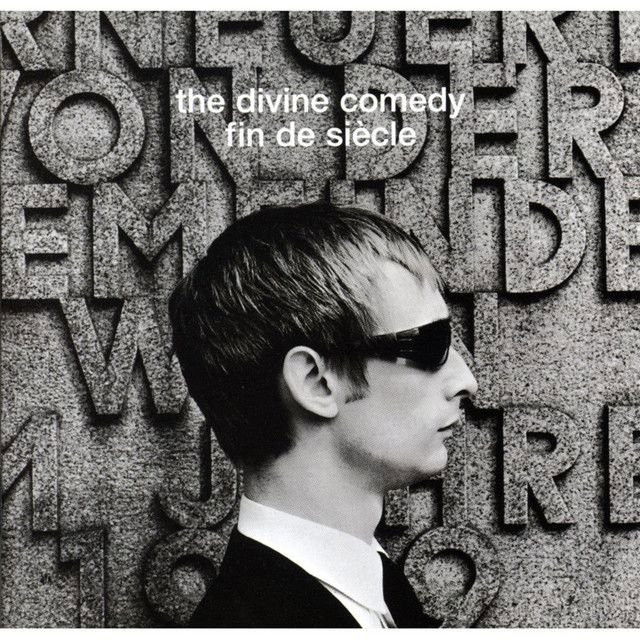
Released in 1998 on Fin de Siècle, the song was written by Neil Hannon and became one of The Divine Comedy's best-known singles. It reflects the group's style: smart pop songs that sound elegant while noticing how silly human behavior can be.
A Coach Ride That Becomes a Portrait of Life
At its core, the song presents public transport as a small version of society. The narrator invites the listener to Take the National Express
when life is going badly. That advice sounds comforting, but it is also playful. They are not promising luxury or escape. They are offering a crowded, imperfect place where every kind of person ends up together.
That is why the line All human life is here
matters so much. In a few words, Hannon suggests that the bus contains the full range of human experience. Elderly passengers, crying children, students, parents, workers, and dreamers all appear in quick sketches. The song sees them with affection, but also with comic exaggeration.
Interpretation: the bus is not just transport. It is a moving stage where everyday British life becomes visible.

Watch the official National Express
music video
How the Verses Build Comedy and Compassion
The verses are packed with character snapshots. Each one is funny, but the humor works because it is grounded in real social types. There is the tired family man pushing a stroller with paternal pride
. There is the student measuring money, risk, and bad choices. There is the aging hostess trying to stay cheerful while selling snacks.
These details create a song that laughs at public life without fully mocking it. Hannon notices embarrassment, aging, and class anxiety, yet he does not treat the passengers as villains. They are simply people trying to get through the day.
That balance is central to the meaning of National Express The Divine Comedy. The song says modern life is absurd, but it also says that absurdity is shared. Nobody on the bus is fully in control. Everyone is stuck in the same vehicle, moving toward somewhere that may or may not feel better.
The Chorus: Cheerful on Purpose, Ironic by Design
The chorus lifts into a big communal singalong with going where the air is free
. Musically, it feels open and optimistic. Lyrically, it sounds like a promise of release. But the contrast with the cramped verses is what makes it clever.
The bus is not truly a place of freedom. It is noisy, packed, and uncomfortable. So when the song reaches for wide-open air, it creates gentle irony. The passengers sing as if they are heading toward liberation, even though they are still sitting in a coach aisle behind crying children and overpriced snacks.
When you're sad and feeling blue
Take a trip on the National Express
Those lines capture the song's comic heart. The solution to sadness is not a grand life change. It is a ride with strangers. That advice is funny because it is so small, but also oddly believable. Sometimes distraction, movement, and contact with other lives can lighten a bad mood.
Sound and Production: Grand Pop for Small Details
A big reason the song works is its arrangement. The Divine Comedy often blended chamber pop, orchestral color, and classic British songwriting, and this track follows that path. The melody is bright, the rhythm pushes forward like a rolling vehicle, and the chorus bursts into a near-music-hall singalong.
That sound matters. Hannon gives ordinary scenes a grand musical frame, which makes the bus ride feel larger than life. The production does not treat the passengers as dull or forgettable. Instead, it gives them theatrical energy.
This is where the song becomes especially sharp. The elegant pop style raises the status of very plain experiences: bad seats, stale snacks, awkward bodies, and social discomfort. In effect, the music says that mundane life deserves art too.
A Very British Joke With Wider Meaning
Even though the setting is distinctly British, the song travels well for U.S. listeners because its themes are universal. Most people know what it feels like to be stuck in public with strangers, to observe tiny dramas, and to feel both irritated and strangely connected.
The humor can also be read as social satire. Public transportation here becomes a place where class, age, and dignity rub against each other. People perform versions of themselves in public: the proud parent, the flirt, the exhausted worker, the nostalgic employee. Hannon turns those performances into comedy, but they also reveal how much effort daily life requires.
Interpretation: another layer of the song is about coping. It suggests that when life is chaotic, people survive by turning the mess into a story, a joke, or even a singalong.
Why the Song Still Connects
The meaning of National Express The Divine Comedy lasts because it never chooses between kindness and satire. It is amused by people, but it also understands them. The song sees public life as uncomfortable, ridiculous, and unexpectedly human.
Its message is not that the bus will save anyone. It is that shared spaces remind people they are not alone in their stress, boredom, or hope. That is why the song still feels fresh: it finds comedy in the crowd, then discovers a little grace there too.
Final Stop
In the end, "National Express" is a pop satire about everyday survival. It turns a coach trip into a funny, revealing map of human behavior, where irritation and fellowship ride side by side.
Disclaimer: This interpretation is based on the lyrics, performance, and known artistic context. As with most songs, listeners may hear different meanings in it.








