
Why 'Tell Me When It's Over' Feels So Cold
The meaning of Tell Me When It's Over The Dream Syndicate comes down to one sharp idea: someone has emotionally checked out before the argument, relationship, or crisis has actually ended. The song does not sound heartbroken in a dramatic way. Instead, it sounds tired, resistant, and almost blank.
"Tell Me When It's Over" - The Dream Syndicate
Oh not to learn from mistakes
Yeah it's really a shame
Loading lyrics...
Unable to load lyrics
We're unable to display the lyrics at this time. Please try again later.
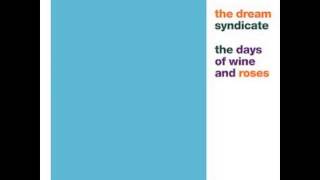
That is what makes it memorable. Written by Steve Wynn, the track first appeared on The Days of Wine and Roses, the 1982 debut by The Dream Syndicate, a band widely tied to Los Angeles' Paisley Underground scene. Later commentary around the group places them among the key acts of that early-1980s movement, with Wynn as the band’s central writer and voice. The song’s clipped language and tense repetition fit that era’s mix of garage rock bite and art-rock distance.
A Narrator Who Refuses the Whole Conversation
At the center of the song is a speaker who will not step into emotional honesty. When the other person talks about damage, regret, or lessons, the narrator offers almost nothing back. Early lines dismiss ideas like learning from pain, and even visible damage becomes empty performance. The phrase waste
helps set that tone, but the larger point is clearer in paraphrase: they hear the argument and reject its moral weight.
That detachment becomes harsher when the song mentions the scars that you show
. The line does not deny pain exists. Instead, it suggests the speaker sees those wounds as display, not truth. Interpretation: that can mean the narrator is being cruel, or it can mean they are too exhausted to respond with care.
Either way, the emotional bond looks broken already.
Watch the official Tell Me When It's Over
music video
The Chorus Turns Avoidance Into the Theme
The hook explains everything. The repeated plea tell me when it's over
is not really a request for healing. It is a request to skip the process. The narrator does not ask to understand, repair, or confess. They just want notice when the scene is finished.
That idea gets even clearer through I don't wanna know
. This is more than confusion. It is chosen ignorance. The speaker may know that understanding would bring guilt, grief, or responsibility, so they shut the door before that can happen.
Interpretation: listeners can hear this in two ways:
- as emotional cowardice
- as self-defense after too much conflict
- as a cool, almost punk refusal to perform sincerity
The song never fully settles the question, and that ambiguity is part of its power.
Verse Details That Make the Song Sting
One of the smartest things in the lyric is how it treats conversation itself as useless theater. The line built around some kind of answer
and no question was posed
describes a total communication failure. One person is talking, but not connecting. The other hears words, but no meaningful exchange.
Then comes the sarcastic jab about a real imagination
. That phrase makes the scene feel personal and contemptuous. The narrator seems to accuse the other person of inventing depth, motives, or drama that they no longer respect.
So the song’s timeline is simple but effective:
- Another person raises pain, mistakes, or old damage.
- The narrator dismisses the emotional value of that pain.
- The conversation breaks down into sarcasm.
- The chorus repeats the desire to escape until it becomes the song’s emotional truth.
How the Sound Carries the Meaning
The Dream Syndicate were often compared to the Velvet Underground in their early period, and their debut helped earn major-label attention before the more expansive Medicine Show era shifted the band’s sound, as noted by PopMatters. On this earlier track, though, the arrangement is leaner and more direct.
That matters for meaning. The guitars push forward instead of opening emotional space. The rhythm feels insistent, almost stubborn, which mirrors the narrator’s refusal to engage. Wynn’s vocal style also helps: he does not oversell the pain. He sounds like someone talking through clenched teeth, which makes the song colder and more believable.
A later live version, discussed by PopMatters, reportedly gave the song a more big-hearted rock treatment, almost like an E Street Band charge. That is useful context because it shows how flexible the song is. In the studio form, it feels trapped and cutting. In a bigger arrangement, the same lyric can sound almost anthemic, as if detachment itself has become a shout-along release.
Artist Context Helps Explain the Edge
Steve Wynn wrote the song, and his early writing often favored tension over neat confession. The Dream Syndicate came from a scene that mixed psychedelic textures with garage-rock force, but they were never just dreamy or nostalgic. Even at their most melodic, they could sound irritated, wired, and skeptical.
That attitude shapes the meaning of Tell Me When It's Over The Dream Syndicate. This is not a classic breakup song built on closure. It is a song about refusing closure because closure would require emotional participation.
More Than One Way to Hear the Ending
There are at least two strong readings.
Reading One: A Relationship Has Already Died
In this version, the speaker is in the room but gone in every way that counts. The repeated hook is the language of someone waiting for the last door to shut.
Reading Two: The Song Attacks Emotional Performance
Here, the narrator sees pain being turned into spectacle. References to scars, answers, and imagination suggest they no longer trust what they are hearing. Their coldness becomes a judgment on melodrama itself.
Both readings fit because the lyric stays minimal and lets tone do much of the work.
Why the Song Still Connects
The song lasts because many listeners know this feeling, even if they do not like admitting it. Not every ending is full of tears or wisdom. Sometimes a person reaches a point where all they can say is: just let this finish.
That blunt honesty is what gives the track its bite. It captures the moment when numbness becomes the final message.
Interpretation disclaimer: song meanings can vary, and this reading is an informed interpretation based on the lyrics, performance, and known artist context.







