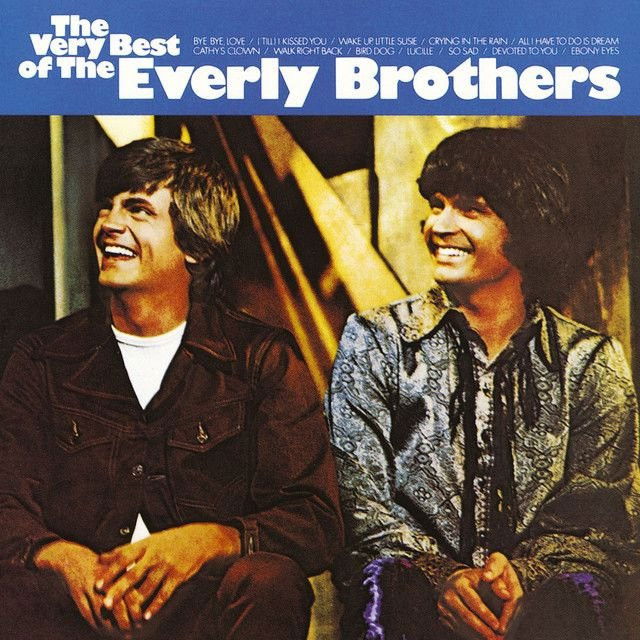
Why 'Wake Up Little Susie' Still Feels Risky
The meaning of Wake up Little Susie The Everly Brothers comes down to one sharp idea: a harmless mistake feels huge when young people live under strict social rules. The song tells a simple story. A boy and girl fall asleep during a date, wake up late, and panic about what everyone will think.
"Wake Up Little Susie" - The Everly Brothers
Wake up, little Susie, wake up
We've both been sound asleep, wake up, little Susie, and weep
Loading lyrics...
Unable to load lyrics
We're unable to display the lyrics at this time. Please try again later.
That is why the record still works. It is funny on the surface, but underneath the joke is a real fear of shame, gossip, and damaged reputation.
A Teen Comedy With Real Stakes
Written by Boudleaux and Felice Bryant, Wake Up Little Susie
was released by the Everly Brothers in 1957 and became one of their signature hits. It followed the duo’s breakthrough run and helped define their early rock-and-roll sound, built around close harmony singing and a clean but energetic rhythm section.
Factually, the song is famous not just for its chart success, but also for the controversy it stirred. Some radio stations reportedly objected to it because they thought the situation sounded improper, even though the lyrics frame the couple as innocent and asleep. That tension matters to the song’s meaning: the scandal comes more from imagination than action.

Watch the official Wake Up Little Susie
music video
The Plot Moves Fast, but the Fear Runs Deeper
At the story level, very little happens. They go to a movie, they doze off, and then they wake up at a bad hour. One phrase, it’s four o’clock
, turns a sleepy mishap into a social disaster.
From there, the lyrics focus less on what happened and more on what must be explained. The song keeps returning to parents and friends. The repeated worry over your mama
and your pa
shows that this is not really about romance alone. It is about authority, rules, and appearances.
The Story in Four Quick Beats
- They fall asleep during a date.
- They realize the night is much later than planned.
- They imagine judgment from family and friends.
- They rush toward home before the story gets worse.
That neat structure makes the song easy to follow, but it also mirrors the speed of teenage anxiety. A small problem becomes a major crisis in seconds.
What the Chorus Really Means
The repeated call wake up, little Susie
is more than a plot device. It acts like an alarm bell for innocence under pressure.
Interpretation: each repetition suggests rising panic. On one level, they just need to leave the theater. On another, they are waking up to the rules of adult judgment. The chorus is catchy because it is urgent, but it is also funny because the danger is social, not physical.
That balance is a big reason the song lasted. It sounds breathless without sounding dark.
Reputation Is the Hidden Villain
The clearest clue to the song’s deeper point is the line about reputation. Near the end, the narrator worries that our reputation is shot
. This is the emotional center of the song.
They are not describing guilt. They are describing fear of suspicion. The movie was dull, they fell asleep, and now they expect others to assume the worst. In that sense, the song captures a classic 1950s tension: public image can matter more than private truth.
The movie wasn’t so hotWe fell asleepOur goose is cookedOur reputation is shot
That short passage sums up the whole joke. Nothing dramatic happened, yet the consequences feel dramatic because social rules are doing the heavy lifting.
How the Everlys’ Sound Protects the Story
The production is a big part of why the song feels innocent rather than lurid. The Everly Brothers sing in tight harmony, a style that blends urgency with sweetness. Their voices move together so smoothly that the mood feels youthful and almost wholesome, even as the lyrics describe panic.
The arrangement helps too. The beat is brisk, the guitar and rhythm section keep things moving, and the whole performance has a bounce that makes the scenario feel like a near-miss comedy. If the song had been slower or heavier, it might have sounded guilty. Instead, it sounds flustered.
Interpretation: this is one reason the record can be heard as a sly critique of moral panic. The music says, in effect, that these kids are scared, but they are not dangerous.
A Snapshot of 1950s Dating Culture
The song also works as a time capsule. In 1950s America, dating often came with strict curfews and heavy parental oversight. A late return home could raise questions fast, especially for a teenage girl.
That context explains why the lyrics spend so much time on what to tell other people. The real conflict is not between the couple. It is between private reality and public judgment.
For modern listeners, this may sound quaint or exaggerated. But that is part of the charm. The song shows how one missed curfew could feel like the end of the world.
Other Ways to Read It
There are at least two fair readings of the song:
- Literal reading: it is a clean teen story about falling asleep at a movie and fearing punishment.
- Interpretive reading: it gently mocks a culture where rumor and appearances create scandal even when nothing happened.
Both fit the lyrics. The first hears innocence. The second hears irony.
Why the Song Still Connects Today
The meaning of Wake up Little Susie The Everly Brothers still lands because the emotional engine is timeless. People still know the feeling of making a small mistake and instantly imagining the worst social outcome.
That is the song’s secret. Beneath the doo-wop-era charm, it understands embarrassment perfectly. They are not running from truth. They are running from assumption.
Disclaimer: This interpretation separates documented facts from informed reading. Like most songs, "Wake Up Little Susie" can support more than one meaning depending on the listener.








