Bill Is Dead by The Fall
A crooked love song in The Fall style
The meaning of Bill Is Dead The Fall starts with a tension the band handled better than almost anyone: ugly reality crashing into sudden pleasure. The song sounds worn out, funny, blunt, and oddly tender all at once. In a few short scenes, the narrator moves from physical decline and wasted time to a burst of erotic energy and renewal.
"Bill Is Dead" - The Fall
I had crows feet under my eyes
Paid two days for getting high
Loading lyrics...
Unable to load lyrics
We're unable to display the lyrics at this time. Please try again later.
That swing matters. The first half feels hungover and damaged; the second feels vivid and awake. Rather than tell a neat story, The Fall give listeners fragments. Those fragments add up to a portrait of someone who feels half-dead in ordinary life, then briefly revived by sex, attraction, and the sight of another person.
Watch the official Bill Is Dead
music video
What the lyrics seem to describe
At the most direct level, the song sketches a before-and-after. Before, the narrator looks at their body and sees wear, age, and the cost of excess. They mention crows feet
and losing days to getting high. Then the mood changes when they encounter someone who pulls them back into sensation.
The key turn comes with the claim I am renewed
. That is the emotional center of the song. It suggests not a grand spiritual rebirth, but a temporary one: a person who has been dulled by routine, alcohol, drugs, or simple exhaustion suddenly feels charged again.
Interpretation: the title "Bill Is Dead" may point to an old self being wiped out, not just a literal person. “Bill” can sound like an ordinary man, almost generic. In that reading, the song is about the death of a stale identity and the return of appetite.
From damage to desire
The opening lines are rough and self-exposing. The narrator is Freezing / Wheezing
, then says they got pasted in a bar
. These are not glamorous rock-star details. They are bodily, embarrassing, and human. The Fall often made everyday collapse sound both comic and bleak, and that happens here too.
Then the song pivots toward desire. The beloved is seen in concrete details: clothes, legs, color, streets, morning light. The line about rising off pink sheets
gives the scene a bedroom feel, while the visual contrast of red brick and green streets sharpens the world. The city suddenly looks alive because the narrator feels alive.
This contrast is the core meaning. Decay is real, but desire interrupts it.
Why the repeated chorus matters
The repeated claim that these are the greatest or biggest times of the narrator’s life sounds exaggerated on purpose. It is too large, too absolute, and that is why it works. The Fall loved lines that could be sincere and mocking at once.
Interpretation: there are two ways to hear the refrain.
- They really mean it in the rush of the moment.
- They know the statement is ridiculous, which makes it sadder and funnier.
Either way, the repetition turns fleeting pleasure into a kind of anthem. The narrator may be in bad shape, but the song catches a moment when they insist life still feels huge.
These are finest times of my life
This is the greatest time of my life
Placed against the grubby earlier details, those lines sound unstable. That instability is the point.
The band context helps explain the song
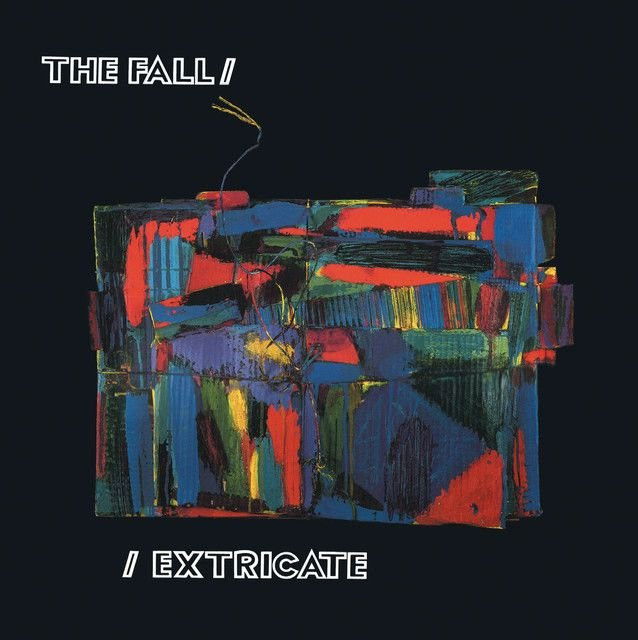
The Fall were led by Mark E. Smith, whose writing often mixed sarcasm, street-level observation, repetition, and sudden beauty. The group’s long career and shifting lineup made them one of post-punk’s most singular acts, as noted by Britannica. “Bill Is Dead” comes from the 1990 album Extricate, a record often heard as sharper and more focused than some of the band’s late-1980s work.
That context matters because the song sits in a period when The Fall could sound especially lean and catchy without losing their bite. Writers Mark E. Smith and Craig Scanlon build a lyric that feels casual at first, but is tightly structured around reversal: sickness to heat, self-disgust to confidence, drabness to color.
How the sound carries the meaning
Musically, “Bill Is Dead” supports the lyric’s mixed mood. The groove is steady but not comforting. The guitars have that clipped, wiry Fall texture, and the rhythm section keeps things moving with a slightly mechanical push. Instead of lush romance, the arrangement gives listeners friction.
That friction is important. A smoother production would turn the song into a simple lust track. The Fall make it stranger. The beat keeps pressing forward, while Smith’s vocal delivery sounds half-spoken, half-thrown at the listener. He does not sing renewal like a polished pop star; he sounds as if he is arguing himself back to life.
This makes the erotic content feel less dreamy and more immediate. The body in the song is not idealized. It is tired, weathered, needy, and still hungry.
Images that do a lot of work
A few details carry most of the song’s meaning:
- Aging marks: signs of time and consequence.
- Bars and intoxication: escape that leaves damage behind.
- Morning and sheets: a private space of return and desire.
- City colors: the outside world becoming vivid again.
- Clothing and legs: attraction grounded in exact visual detail.
These images keep the song from becoming abstract. They root emotion in surfaces, rooms, and bodies. That is why the song feels lived-in instead of poetic in a distant way.
A final reading of “Bill Is Dead”
The best way to understand the meaning of Bill Is Dead The Fall is as a song about temporary resurrection. It does not promise healing in any lasting sense. Instead, it captures the sharp jolt of feeling alive after seeming burnt out, old, or wasted.
Interpretation: the title may suggest a symbolic death, while the lyric itself stages a comeback through sex, attention, and sensation. But because this is The Fall, the comeback never sounds fully safe or stable. That edge keeps the song honest.
In the end, they present pleasure as real, but brief; renewal as powerful, but maybe borrowed. That mix of excitement, irony, and bodily truth is what gives the track its staying power.
Disclaimer: This interpretation is based on the released lyrics, recording, and public band context. As with many The Fall songs, ambiguity is part of the design, so other readings are possible.







