Why 'The Classical' Sounds Like a Cultural Attack
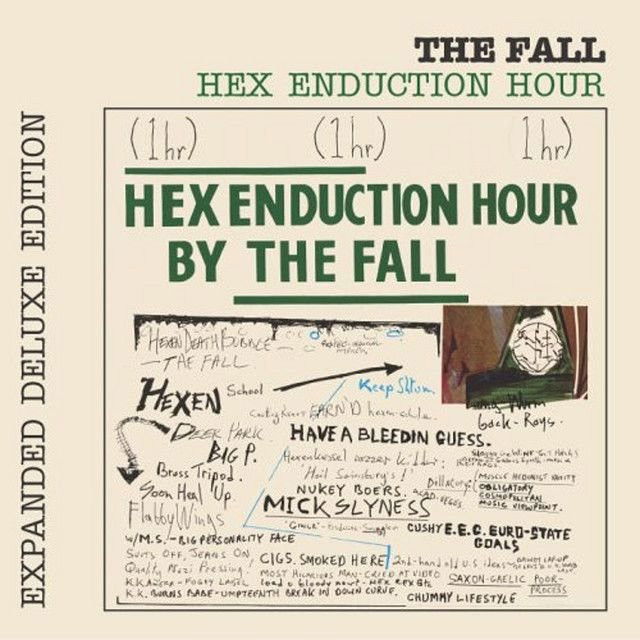
The meaning of The Classical The Fall starts with a contradiction. The title sounds refined, even respectable. But the song itself is jagged, mocking, and rude on purpose. As the opening track of 1982's Hex Enduction Hour, it works like a mission statement: The Fall are not trying to comfort anyone. They are trying to confront a culture they see as shallow, vain, and fake.
"The Classical" - The Fall
Your taste for bullshit reveals a lust for a home of office
This is the home of the vain!
Loading lyrics...
Unable to load lyrics
We're unable to display the lyrics at this time. Please try again later.
That makes the song less a story than a verbal assault. Mark E. Smith throws out images, insults, and slogans like broken headlines. The result is chaotic on the surface, but the chaos serves a theme. They present a world where taste has decayed, style has replaced substance, and public life feels full of posturing.
What the Song Is Really Targeting
At its core, “The Classical” is attacking cultural emptiness. Early on, Smith boasts There is no culture
, which sounds less like pride than a bitter joke. He is not celebrating a blank world. He is saying the culture around him is so hollow that it hardly deserves the name.
That idea keeps coming back through the repeated line home of the vain
. In plain terms, the song paints modern society as a place run by image, snobbery, and self-display. The people in it are not thoughtful or alive. They are, in one of the song’s harshest images, almost flattened into paste.
Interpretation: this is why the song feels both funny and hostile. Smith is not offering a neat argument. He is exaggerating, sneering, and pushing language until it sounds absurd. That exaggeration is part of the point. He wants the listener to feel disgust, not just understand it.

Watch the official The Classical
music video
A Voice That Mocks Everyone in Sight
The speaker in “The Classical” is unstable by design. One second they sound like a critic, the next like a heckler, then like someone trapped inside a bad dream. When Smith barks Message for yer!
, it sounds like a public warning and a taunt at the same time.
This unstable voice matters. The song is not written as a calm essay about what is wrong with pop culture. It is more like someone pacing the room, furious that nobody else sees the fraud around them. That is also why phrases about hotels, conspiracy, and bodily discomfort keep colliding. They create a feverish inner monologue.
One brief section captures that fractured state:
I just left the hotel amnesia
now I can remember
Paraphrased, the song moves from numbness into ugly recognition. The speaker leaves a place of forgetting and suddenly sees the world clearly again. What they remember is not beautiful. It is ridiculous, pretentious, and rotten.
Why the Chorus Matters More Than It First Seems
When the song keeps repeating The classical!
, it sounds almost triumphant. But the context twists it into sarcasm. “Classical” here does not simply mean old music or high art. It points to the way elite taste gets used as a pose, a badge, or a false standard.
Interpretation: the refrain may be mocking the urge to make dead forms seem superior just because they are respectable. It can also be heard as Smith naming a recurring pattern: every era invents its own “classical” values, then uses them to police taste and rank people.
That reading fits the song’s obsession with snobs, actors, and surfaces. It is not anti-art. If anything, it is anti-pretension. Smith once said his lyrics should feel like “reading a really good book,” not like polished mainstream product. That helps explain why the song attacks fake sophistication while sounding so deliberately rough.
Sound as Meaning: Ugly by Choice
The production is crucial to the meaning of The Classical The Fall. Hex Enduction Hour was produced by Richard Mazda and Mark E. Smith, and its raw sound was intentional, not accidental. According to album notes and history, the record was made in deliberately imperfect spaces, including a disused cinema, to capture a live, abrasive feel.
That approach shapes “The Classical.” The guitars slash instead of shimmer. The rhythm section feels crowded and tense. The famous two-drummer lineup gives the track a pounding, ritual feel, as if the song is being driven forward by agitation rather than groove. Smith’s vocal does not sit neatly on top of the band; it jabs through the noise.
All of that supports the lyric. A smooth production would weaken the message. The song is about the ugliness under polished surfaces, so it has to sound scraped, impatient, and hostile. Critics often praised Hex Enduction Hour for exactly that quality: a kind of controlled mess that became one of post-punk’s defining textures.
Context, Controversy, and Reception
There is no honest reading of “The Classical” without noting that one lyric uses racist language. That word is offensive and harmful, and it remains one of the song’s most disturbing elements. Factually, the line has been discussed in writing about the album, and Smith later believed it hurt the band’s chances with Motown.
That does not make the line defensible. It does, however, show how Smith used confrontation as method. He often tried to expose what he saw as ugliness in society by speaking in an ugly, provocative voice himself. Some listeners hear that as satire; others see it as reckless shock tactics. Both reactions are understandable.
Reception to the album around the song was strong overall. Hex Enduction Hour reached No. 71 in the UK and later became one of The Fall’s most acclaimed records. “The Classical,” as the opener, helped define its reputation: fierce, difficult, and impossible to mistake for anyone else.
Final Take: A Manifesto Disguised as a Breakdown
“The Classical” is best understood as a manifesto in damaged form. It says culture has become vain, empty, and performative, then delivers that idea through rant, repetition, and noise. Its title is ironic, its hook is sarcastic, and its sound turns disgust into music.
For listeners asking about the meaning of The Classical The Fall, the simplest answer is this: they are hearing a war on false taste. The song tears into snobbery, shallow fashion, and public fakery, while also showing how messy and unstable that kind of protest can become.
Interpretation always has limits. This reading is based on the lyrics, the album’s context, and documented comments about the record, but like much of The Fall, the song stays partly unresolved on purpose.







