Why "I See the Light" Still Feels Liberating
The meaning of I See the Light The Five Americans comes through fast and clearly: this is a breakup song about waking up. Instead of begging for love or sinking into heartbreak, they present a speaker who realizes the truth, rejects deception, and feels stronger for it.
"I See the Light" - The Five Americans
Both day and night
My eyes have opened, Lord
Loading lyrics...
Unable to load lyrics
We're unable to display the lyrics at this time. Please try again later.
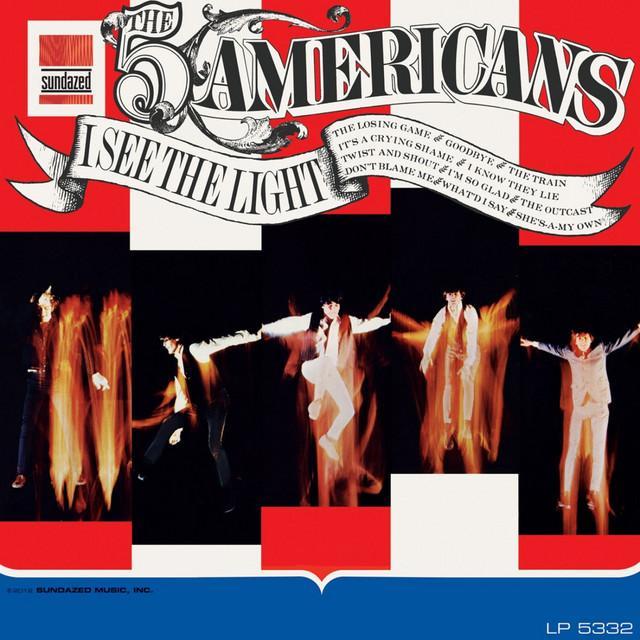
That directness is part of why the song still works. Released first in 1965 and then re-released in 1966, the single became one of the band’s early national breakthroughs, reaching No. 26 on the Billboard Hot 100, according to the group’s discography summary in available reference sources. It also appeared on the 1966 album I See the Light.
A breakup song built on sudden clarity
At the most basic level, the song is about a person who has been misled in love and finally recognizes it. The title phrase is not subtle, but that is its strength. When the narrator says I see the light
, the line suggests more than happiness. It signals recognition.
They are no longer confused. They are no longer being controlled by someone else’s version of events. The lyric turns insight into action.
Interpretation: the song treats truth as emotional freedom. Many breakup songs focus on pain first. This one moves quickly toward release.

Watch the official I See the Light
music video
The verses move from hurt to backbone
The story unfolds in a clean sequence:
- The speaker begins by framing love as something once welcomed.
- Then they admit the other person tried to deceive them.
- Next comes the turning point: they get wise.
- Finally, they decide to protect themselves going forward.
That shift is easy to hear in phrases like got wise
and none of your lies
. These are not poetic puzzles. They are plainspoken lines that make the narrator sound alert and newly firm.
Another key moment is I'm gonna beware
. That phrase matters because it shows the lesson sticking. The song is not only about seeing the truth once. It is about learning how not to fall for the same pattern again.
Why the chorus sounds relieved, not bitter
The chorus repeats it's all right
until it almost becomes a mantra. In story terms, that repetition does two things at once. It reassures the narrator, and it tells listeners that the discovery, while painful, has brought peace.
This is why the song feels uplifting even though its subject is betrayal. The central emotional move is not revenge. It is recovery.
And it's all right
It's all right
Even in that short refrain, the message is clear: once the illusion breaks, the speaker feels steadier. Interpretation: the repeated line may sound simple, but simplicity is the point. They are talking themselves into solid ground.
Light as a symbol of truth
The title image gives the song its main symbol. Light stands for knowledge, awareness, and escape from confusion. In older blues, rock, gospel, and pop traditions, “light” often marks revelation. Here, it works in a romantic setting.
The lyric also includes a brief spiritual touch with Lord
, which adds urgency to the awakening. It does not necessarily make the song religious. Instead, it gives the realization a larger emotional weight, as if the moment feels almost sacred because it changes everything.
Interpretation: listeners can hear that detail in two ways:
- as a natural exclamation in a heated moment
- as a hint that truth feels like redemption
Either reading supports the same theme: they have crossed from blindness into understanding.
How The Five Americans’ sound sharpens the meaning
The Five Americans came out of the mid-1960s American rock scene and were known for a garage-pop approach that blended hooks with a bright organ sound. Reference histories note that the Vox Continental organ became a signature part of their style during their rise from Oklahoma and Texas club circuits.
That matters here. The song’s brisk beat and crisp arrangement keep it from sounding defeated. Instead, the performance feels alert, almost charged. The rhythm pushes forward, which matches the lyric’s emotional movement from confusion to certainty.
The vocal delivery helps too. They do not overplay the hurt. They sound decisive. That restraint makes the message stronger, because the listener hears confidence replacing doubt.
Where the song fits in the band’s story
Before “Western Union” became the group’s biggest hit, I See the Light
helped establish The Five Americans as more than a regional act. The band formed in Oklahoma, developed in the Dallas area, and later scored several charting singles in the 1960s, with “Western Union” eventually reaching the U.S. Top 5.
That context helps explain why this track feels so efficient. Like many strong mid-60s singles, it wastes no motion. It gives listeners a sharp emotional setup, a memorable hook, and a sound built for radio.
Writers John Durrill, Norman Ezell, and Mike Rabon also deserve attention here. The song’s strength lies in its economy. Rather than layering in complex images, they reduce the situation to one vivid idea: seeing clearly at last.
A second reading: not just romance, but self-respect
There is a straightforward romantic meaning, but there is also a broader reading. Interpretation: the song can be heard as a statement about self-respect. The real victory is not merely leaving a liar behind. It is trusting one’s own judgment again.
That is why the final mood lands as empowerment. The narrator may be sorry, but they are not apologizing for protecting themselves. They accept the loss because truth is worth more than false comfort.
Why the song still connects
The meaning of I See the Light The Five Americans remains appealing because it turns a common experience into something brisk and hopeful. Many people know the feeling of realizing too late that someone was dishonest. Fewer songs make that moment sound this clean, proud, and freeing.
Its message is simple: clarity can hurt, but it also heals. Once they see what is real, they can finally move on.
Disclaimer: This interpretation is based on the released lyrics, musical performance, and available historical context. As with most songs, listeners may hear meanings that differ from the ones discussed here.








