Why ‘Far From Any Road’ Feels Like a Desert Omen
The meaning of Far From Any Road The Handsome Family starts with place. This is a song about the desert, but not the postcard version. It presents the land as beautiful, erotic, dangerous, and deeply old. The result is a murder-ballad mood without a simple crime story.
"Far From Any Road" - The Handsome Family
Her looming shadow grows
Hidden in the branches of the poison creosote
Loading lyrics...
Unable to load lyrics
We're unable to display the lyrics at this time. Please try again later.
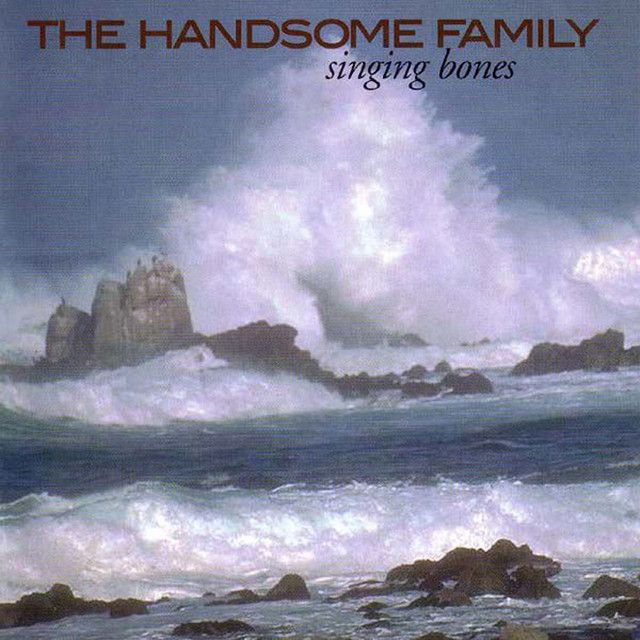
First released on Singing Bones in 2003, the track later became famous as the opening theme to HBO’s True Detective season one, a placement chosen by T Bone Burnett, according to Songfacts. That TV use made many listeners treat it like a clue to the show. But the song existed long before it. In fact, Rennie Sparks said it was written years earlier, inspired by desert plant life after the duo moved to New Mexico.
The Song’s Core Idea Lives Between Desire and Death
At its heart, the song turns the desert into a living force. The landscape is not background scenery. It acts almost like a lover, almost like a predator. That is why the opening images feel so vivid and threatening.
The narrator sees a plant in harsh light and describes contact with it as both attraction and injury. When they notice a looming shadow
and then touch what harms them, the song suggests a basic theme: people are drawn to what can wound them. The blood is literal in the story, but it also works as a sign of surrender.
Interpretation: the song may be about falling under the spell of a place, a person, or even mortality itself. It never locks itself into one reading, which is part of its power.
Watch the official Far From Any Road
music video
A Night Walk That Turns into a Vision
The story moves in three eerie steps
The lyric unfolds like a short gothic tale:
- A figure observes the desert in daylight and gets too close.
- At dusk, they return to witness a mysterious blooming.
- By the end, the song imagines death and union as one final joining.
That middle section is key. The narrator comes out under a swollen silver moon
to watch the cactus bloom. This is not casual nature writing. Blooming at night suggests secrecy, rare beauty, and a kind of invitation. Then the scene shifts fast: strange hands appear, shadows move, and the body falls into thorns.
And rise with me forever
Across the silent sand
These lines recast the earlier fear. The song no longer sounds like a warning alone. It sounds like an acceptance of being carried away.
Symbols That Explain the Meaning
Plants, animals, and the body
Rennie Sparks told Uncut, as reported by Songfacts, that the lyric was inspired by jimson weed and nighttime desert life. That context matters. The song’s plants are alluring but poisonous; the natural world is full of seduction and risk.
Several images work together:
- The cactus bloom suggests desire that appears briefly and under special conditions.
- Thorns and blood turn attraction into pain.
- Rattlesnakes and mountain cats make death feel natural, not shocking.
- Stars, wind, and sand widen the scene until the human body seems small.
So when the song mentions bones being dragged away, it is not just horror imagery. It says the desert outlasts people. Human life becomes one more part of the landscape.
How the Sound Builds the Spell
The arrangement tells the same story as the words. Brett Sparks, who writes the duo’s music, said he wanted Latin percussion and a sound inspired by Sketches of Spain. He described layered castanets as a way to mimic night insects and create a desert frame for the song. The band’s background and discography are summarized on Wikipedia.
That choice is crucial to the meaning of Far From Any Road. The percussion feels dry, clicking, and restless. The guitar gives the song a stark Western feel, while the trumpet adds distance and melancholy. Nothing in the production is lush or comforting. Even when it sounds pretty, it sounds exposed.
The vocal delivery matters too. Brett Sparks sings in a calm, almost formal baritone. That restraint keeps the song from becoming melodrama. They do not overplay the fear. They let the images do the work.
Why True Detective Made the Song Seem Prophetic
When the song became the theme for True Detective in 2014, many people assumed it had been written for the series. It fit so well because both the song and the show share major concerns: fatalism, landscape, sin, and human smallness.
But that connection is a case of matching moods, not direct intent. Rennie Sparks joked that maybe time really is a flat circle
when people praised the song for predicting the series. That line, quoted by Songfacts, helped cement the track’s mythic status.
The placement changed reception in a major way. A song from a 2003 alt-country record suddenly became a cultural landmark. Yet its meaning did not really change; listeners just had a visual frame for its dread.
The Best Way to Read the Ending
The ending is the song’s deepest mystery. When it imagines the lovers joined with stars and wind, the imagery sounds romantic. But it also follows clear signs of danger and death. That tension is the point.
Interpretation: the final promise can be heard in two ways:
- as a dark love song where two beings merge beyond the body
- as a death song where nature absorbs the speaker completely
Both readings fit because the song refuses to separate love, fear, sex, and death. In this world, they are neighbors.
Final Take on the Desert’s Pull
The meaning of Far From Any Road The Handsome Family is less about plot than atmosphere and symbol. It captures how the desert can feel sacred and hostile at the same time. Through spare storytelling, sharp nature imagery, and haunted production, the song turns a night bloom into a vision of desire meeting oblivion.
That blend is why it still lingers. It sounds like a folk song, a dream, and a warning all at once.
Disclaimer: This interpretation separates documented context from critical reading. As with many poetic songs, some meanings remain open to the listener.









