How 'American Remains' Turns Pain Into Legend
The meaning of American Remains The Highwaymen, Willie Nelson, Johnny Cash, Waylon Jennings, Kris Kristofferson comes into focus when the song stops sounding like four separate stories and starts sounding like one national memory. The song is not just about hardship. It is about people who are wounded, pushed aside, cheated, or erased, yet still refuse to disappear.
"American Remains" - The Highwaymen, Willie Nelson, Johnny Cash, Waylon Jennings, Kris Kristofferson
The desert is my brother, my skin is cracked and dry
I was ridin' on a folk coach and everything was fine
Loading lyrics...
Unable to load lyrics
We're unable to display the lyrics at this time. Please try again later.
Recorded by The Highwaymen—Johnny Cash, Willie Nelson, Waylon Jennings, and Kris Kristofferson—the track fits the group’s larger image: outlaw country stars singing about freedom, damage, and survival. Written by Rivers Rutherford, it gives each verse a different American voice, then ties them together with one bold claim: they will endure.
Four Lives, One National Story
At the most basic level, the song is built from character sketches. A guard on a dangerous route, a river card shark, a struggling farmer, and a Cherokee speaker each tell a story of risk and loss. These are not glamorous lives. They are working, traveling, and surviving lives.
The first verse opens with shotgun rider
, a role tied to danger and protection. He is part of a hard landscape, calling the desert his brother. That line suggests belonging, but also exposure. When bandits attack, he is hurt, yet he insists he will return. The point is bigger than revenge. The point is resilience.
The river gambler tells a different version of the same truth. He sounds polished and clever, but his confidence collapses when fate turns on him. A single mistake exposes him. Even then, he survives the fall and promises to keep going. The song keeps saying that defeat is real, but final defeat is not.
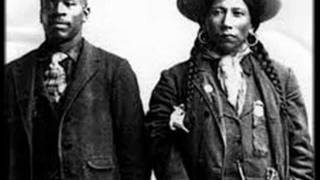
Watch the official American Remains
music video
Why the Chorus Changes Everything
The chorus lifts the song from biography into myth. When they sing heroes of the homeland
and American remains
, they are not talking about celebrity heroes. They mean the people history often leaves in the background.
Interpretation: The word “remains” works two ways. It can mean what is left after struggle, loss, or death. It can also mean what continues to exist. That double meaning is the heart of the song. These people are the leftovers of history, but they are also its lasting core.
The line about memory living on in mortal minds suggests that survival is not only physical. It is cultural. It happens in stories, songs, and shared identity. That final promise, ride again
, sounds almost ghostly. It turns the characters into recurring American figures who keep coming back in new forms.
The Farmer and the Cherokee Voice
The third and fourth verses widen the song’s social meaning. The farmer is not facing bullets or river violence. He is facing debt, drought, and the cold language of business. His John Deere and open land suggest independence, but the missing rain reveals how fragile that freedom is.
This part matters because it shows that American struggle is not only dramatic; sometimes it is slow and economic. The bank man speaks politely, but politeness offers no rescue. The farmer’s defiance is quieter, yet it belongs to the same pattern of endurance.
Then the song shifts to its strongest historical critique. The Cherokee speaker frames America not as an empty frontier but as inherited land damaged by colonization and industry. The phrase Nature is our mother
centers a worldview built on relationship rather than conquest.
Interpretation: This verse challenges the national myths celebrated in the earlier images of riders and gamblers. It says the American story includes theft, poisoning, and broken balance. By placing this verse inside the same chorus, the song argues that Native survival is also part of what America “remains” means.
How the Highwaymen Make It Hit Harder
This song works especially well because of who sings it. The Highwaymen were already marketed as a union of country legends, with a history that stretched from outlaw country to folk-rooted songwriting. Their collaboration is well documented in major reference sources on the group and their albums, including The Highwaymen discography and country music archives.
Their voices bring built-in meaning. Cash sounds grave and weathered. Nelson often sounds human and wounded. Jennings brings force. Kristofferson adds a reflective, writerly tone. Together, they make each verse feel like testimony instead of acting.
The production stays rooted in classic country: steady rhythm, clean acoustic framing, and a broad, unhurried arrangement. That matters. The music does not distract from the words. Instead, it creates the feel of an old story being passed down. The tempo leaves room for the chorus to land like a communal vow.
A Song About Memory More Than Victory
One reason the track lasts is that it does not promise justice in a neat way. Some characters are shot, exposed, cornered, or dispossessed. The song never says the world becomes fair. It says something else: their dignity survives the blow.
That is why the meaning of American Remains The Highwaymen, Willie Nelson, Johnny Cash, Waylon Jennings, Kris Kristofferson is finally about memory. America, in this song, is not defined by leaders or monuments. It is defined by the people who suffer history and still leave a mark on it.
The Last Word
Interpretation: “American Remains” turns ordinary figures into lasting symbols of national endurance. It praises toughness, but it also remembers cost.
That balance is why the song feels bigger than nostalgia. It treats America as a place of damage, grit, and survival all at once.
Disclaimer: This interpretation is based on the lyrics, performance, and available artist context. As with any song, listeners may hear different meanings in it.








