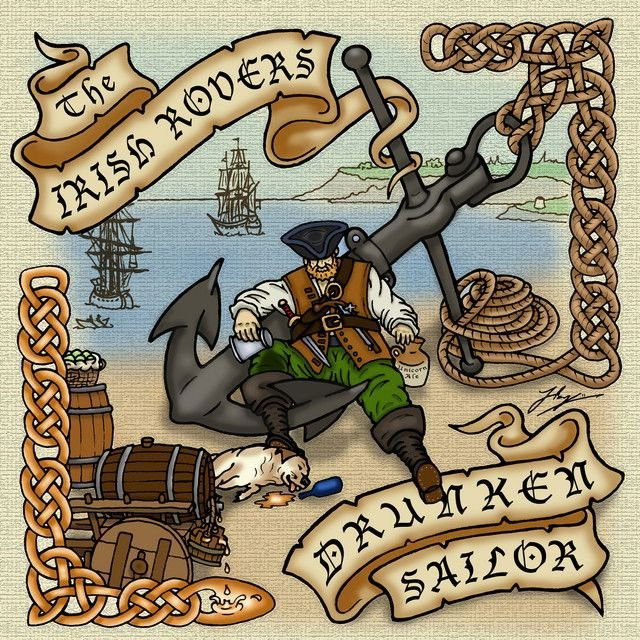
The Meaning of 'Drunken Sailor'—The Irish Rovers’ Shanty
The Irish Rovers turned a centuries-old sea shanty into a pub-rousing anthem, but the song’s punch comes from its work-song roots. If you’re searching for the meaning of Drunken Sailor The Irish Rovers fans often point to, it helps to start on deck, not in the bar.
"Drunken Sailor" - The Irish Rovers
What will we do with a drunken sailor?
What will we do with a drunken sailor?
Loading lyrics...
Unable to load lyrics
We're unable to display the lyrics at this time. Please try again later.
A Work Song Turned Pub Anthem
“Drunken Sailor” is a traditional sea shanty documented as early as the 1830s and indexed as Roud No. 322. It was used for quick, collective tasks—crews would march the deck while hauling lines. The melody sits in the Dorian mode, which gives it a bright but driving edge that suits physical labor and group singing.
At its core, the song is call‑and‑response. A leader poses the problem, and the crew fires back with solutions, keeping time as they work. The Irish Rovers keep that design intact, speeding the tempo and stacking harmonies so the chorus lands like a wave of voices.
Way hay and up she rises Early in the morning

Watch the official Drunken Sailor
music video
What the Question Really Asks
Each cycle begins with a prompt like What will we do
—not a private plea, but a team decision. On a ship, one person’s hangover risks everyone’s safety. The question is communal: how do we get the crew back in rhythm by sunrise?
The refrain answers with momentum. “Up she rises” reads like a ship lifting on the swell and a crew rising to duty. “Early in the morning” underscores urgency: work starts now, whether the sailor’s ready or not. The chorus is less about scolding than about setting pace and unity.
Verse by Verse: Discipline, Humor, and Crew Culture
The suggested “solutions” swing between absurd and stern, revealing how sailors joked about discipline to keep morale up while marking clear boundaries.
Shave his belly with a rusty razor
: An exaggerated, comic threat. It signals rough justice without endorsing harm, and its sharp consonants cut through the rhythm like a snare.Put him in a long boat till he's sober
: Isolation until he can pull his weight. It’s a practical image—keep him out of the way so the job continues.Stick him in a scupper with a hosepipe bottom
: Soak him awake. Scuppers drain water off the deck; the line plays on ship parts to keep time and paint a slapstick scene.captain's daughter
: Sailor slang for the cat‑o’‑nine‑tails. Historically harsh, but in modern renditions it reads as a wink to old naval discipline, not a literal instruction.
Interpretation: The verses aren’t a guide to punishment. They’re a rotating set of punchlines that let the crew vent frustration, wake the offender, and keep the work cadence unbroken. The final turn—“that’s what we do”—closes the loop by reaffirming group order.
Why The Irish Rovers’ Version Endures
The Irish Rovers’ arrangement works because it honors function. The tempo is brisk and even, the groove steady like boots on planks. Group vocals mimic a deck gang; call‑and‑response lets the audience act as crew. You can hear stomps, handclaps, and unison shouts punctuating the beat—perfect for a stage closer.
Their instrumental palette—often accordion, whistle, guitar, and bodhrán—keeps a Celtic lilt while driving the downbeat. Harmonies brighten the Dorian melody without softening its edge, so the song feels both ancient and alive. Over decades, the band closed shows with it and even titled a 2012 album Drunken Sailor, signaling how central the shanty is to their identity. Viral performances helped introduce the chant to new listeners, but it’s the communal lift of the chorus that keeps people joining in.
What the Refrain Really Does
The hook packs the theme into two short images: rising and morning. The crew must rally before dawn; the ship must rise on the tide. Musically, the chorus offers the easiest on‑ramp for crowd voices, so the “solution” to the problem is literally everyone singing together. Interpretation: the refrain transforms a hangover into a unity ritual.
Takeaway: What Listeners Carry Home
The meaning of Drunken Sailor The Irish Rovers spotlight is simple and durable: community comes first. The verses clown on the wayward sailor to restore order, not to glorify cruelty. The humor, ship jargon, and pounding beat turn discipline into theater and work into song.
Across two centuries, that blend of function and fun is why the shanty still lands. Whether shouted on a deck, in a pub, or at an Irish Rovers show, the message remains the same—get up, pull together, and get the job done.
Disclaimer: Song interpretations are subjective. This reading blends documented history with informed analysis of The Irish Rovers’ arrangement.









