Why "Blame It on the Boogie" Still Moves
The real hook behind the dancefloor grin
The meaning of Blame It on the Boogie The Jacksons is simple on the surface and clever underneath. It is a disco song about losing control to rhythm, but it also turns that loss of control into a joke, a flirtation, and a kind of freedom. The singer says the dancing has taken over so fully that it can explain everything: romance trouble, restless energy, and the need to stay moving.
"Blame It on the Boogie" - The Jacksons
My baby's always dancin'
And wouldn't be a bad thing
Loading lyrics...
Unable to load lyrics
We're unable to display the lyrics at this time. Please try again later.
In plain terms, the song frames dance music as a force bigger than ordinary excuses. Instead of blaming weather, mood, or circumstance, the chorus points to the beat itself. That is why the title line feels so memorable. It gives a playful answer to a bigger feeling: sometimes joy is so strong it becomes its own reason.

Watch the official Blame It on the Boogie
music video
A tiny story hides inside the groove
There is a real story in the verses, even if the song is better known for the chorus. The singer starts with a complaint: a partner is always dancing and not giving enough attention. That sets up a comic tension between romance and the dancefloor.
Then the song suggests a turning point during a night out. The reference to night in Frisco
and a run through discos paints a scene of nonstop nightlife. By the time the verse says love was left behind, the song has shifted from mild jealousy to total surrender. The relationship problem does not become tragic, though. It becomes part of the party.
What the chorus changes
The chorus wipes away drama by making the music the main character. When they sing blame it on the boogie
, they are not really confessing guilt. They are turning personal chaos into celebration.
Don't blame it on the sunshine
Don't blame it on the moonlight
Don't blame it on the good times
Blame it on the boogie
Those lines matter because they narrow every possible cause down to one thing: the irresistible beat. The joke is that this “excuse” sounds less like defense and more like an invitation.
The song’s deeper theme: joyful possession
Interpretation: One strong reading is that the song is about being “possessed” by music in a happy, non-threatening way. The lyrics use exaggerated language about spells, fever, and trance. Phrases like super trance
and the repeated inability to control the feet make dancing sound almost supernatural.
That exaggeration is classic disco writing. In disco, dancing often feels bigger than everyday life. Bodies move first; thinking comes later. Here, the singer does not resist that feeling. They enjoy it. Even when the words hint at trouble, the tone says the trouble is worth it.
A second reading is about identity. The dancefloor lets the singer become a new version of themselves. The song says life has changed completely, and suddenly the partner cannot look away. In that sense, boogie is not just music. It is transformation. Dancing turns insecurity into confidence.
Why The Jacksons’ version feels so alive
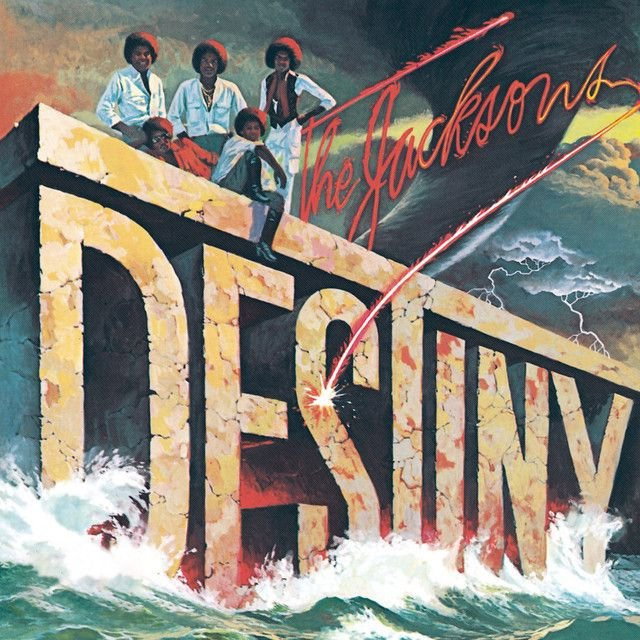
Facts help explain why this song hits so hard. The Jacksons released it in 1978 as the first single from Destiny. The song was written by Mick Jackson, David Jackson, and Elmar Krohn, and Mick Jackson had recorded his own version first. That strange release race became known in the UK press as the “Battle of the Boogie,” a bit of pop history that added buzz to the song.
Michael Jackson later wrote in Moonwalk that it was an upbeat song that fit the band-style approach they wanted, and he noted how much fun he had with the chorus. That matters because the performance sells the whole idea. His lead vocal is elastic, bright, and slightly breathless, as if the groove is pushing the words out before he can fully shape them.
Production as meaning
The Jacksons are credited as producers on the single, and the arrangement is a big part of the message. The rhythm guitar scratches forward. The bass stays springy and active. Drums and hand percussion keep the pulse sharp, while synths, clavinet, and horns add shine and motion. It all works like a machine built for momentum.
That production makes the lyric believable. When the song insists the body cannot stop moving, the track proves it. The groove is packed, but not heavy. It feels buoyant, almost airborne, which matches the song’s playful lack of control.
Reception and legacy tell the same story
In the U.S., the Jacksons’ version did better on the R&B chart than on the Hot 100, reaching No. 3 R&B and No. 54 pop, while it reached No. 8 in the UK. Those numbers show something important: the song was not just a novelty chorus. It connected strongly with dance and soul audiences, the listeners most tuned to rhythm-first records.
The reception also supports the song’s meaning. Reviewers noticed the energy in Michael Jackson’s vocal, and listeners kept the track alive long after 1978. It remains one of those records that instantly creates a room, a mood, and a movement. Even people who do not know every verse understand the point within seconds.
Final take: an excuse that sounds like freedom
The meaning of Blame It on the Boogie The Jacksons comes down to this: it is a song about surrendering to music and loving what that surrender does to the body, the mood, and even the self. It turns dancing into both cause and cure.
That is why it lasts. The song knows that the best dance records do not explain too much. They create a feeling and let the listener step inside it. Interpretation disclaimer: this reading is based on the lyrics, performance, and historical context, but song meaning can stay open to individual listeners.







