Why 'In The City' Feels So Urgent
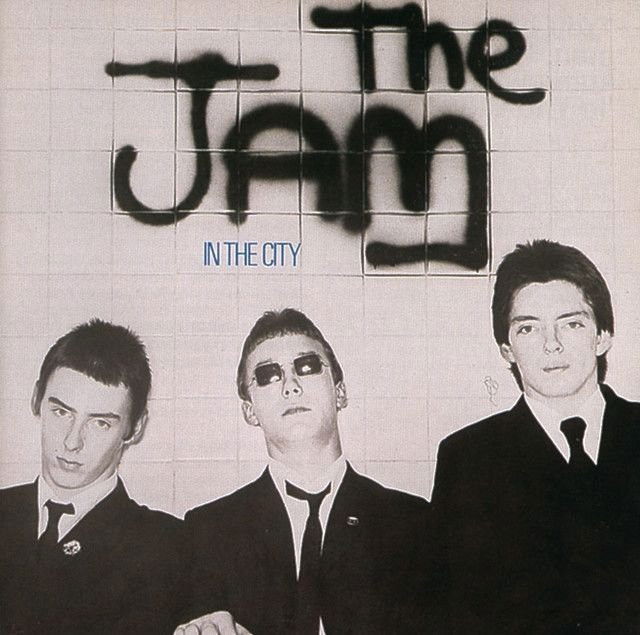
The meaning of In The City The Jam starts with a simple conflict: young people have something to say, but the world around them does not always want to hear it. The song turns that frustration into speed, attitude, and excitement. Released as The Jam’s debut single in 1977, it introduced Paul Weller’s voice to a wider audience and helped begin the band’s long UK chart run.
"In The City" - The Jam
But whenever I approach you, you make me look a fool
I wanna say, I wanna tell you
Loading lyrics...
Unable to load lyrics
We're unable to display the lyrics at this time. Please try again later.
Factual context matters here. Research sources identify it as the band’s first single, released on April 29, 1977, from the album In the City, written by Paul Weller and produced by Vic Smith and Chris Parry. It reached No. 40 in the UK and launched a streak of 18 consecutive Top 40 singles. Those facts come from sources such as Songfacts and the song’s reference entry.
A Youth Anthem, Not Just a Travel Song
On the surface, the song describes life in the city
. But the city is not only a location. It stands for motion, fresh ideas, and a bigger world beyond the limits of suburbia.
Paul Weller later explained that it came from the feeling of being a young person near London and wanting to break out. In a quote reported by Songfacts from Q magazine, he described it as the sound of young Woking dreaming of where everything seemed to be happening. That comment is useful because it shows the song is not just urban scene-setting. It is about aspiration.
Interpretation: The city represents possibility. The narrator is not simply admiring bright lights; they are chasing freedom, identity, and a chance to be taken seriously.
Watch the official In The City
music video
The Real Battle Is Between Youth and Authority
The strongest tension in the lyric is between younger voices and older power. Early on, the speaker says there are a thousand things
they want to say, but every approach ends in embarrassment. That quickly widens from one relationship into a social argument.
The key phrase is the young idea
. They repeat it like a slogan. It means more than a single opinion. It suggests a whole generation’s outlook: impatient, confident, and unwilling to wait its turn.
Then comes the pushback. Older people have already said your bit-a
, as the song puts it, and now the younger crowd wants space to speak. The line is rough and direct, which fits punk-era energy, but the point is clear: the song rejects the idea that authority automatically knows best.
When the Song Turns Political
One verse shifts from social frustration to open unease about power, mentioning men in uniforms
. That image brings police and state authority into the song’s world. The lyric suggests a city that is exciting, but also controlled and watched.
Interpretation: This verse makes the song feel bigger than a teenage complaint. It becomes a statement about who gets power, who gets fear, and who gets silenced.
How the Lyrics Build Their Message
The writing is simple on purpose. Instead of telling a detailed story, the song stacks images and confrontations.
- A speaker tries to express something important.
- Adults or authority figures dismiss them.
- The city fills with bright, young faces.
- Institutions loom in the background.
- The chorus-like return to the title keeps everything moving.
That structure helps explain why the song still lands. It does not over-explain. It sounds like a burst of conviction.
You still think I am crapBut you'd better listen, manBecause the kids know where it's at
This is the song’s clearest mission statement. The speaker knows they are being judged and underestimated, but they answer with confidence rather than self-pity.
Why the Sound Matters So Much
The meaning of In The City The Jam would not hit as hard without the music. The track lasts just over two minutes, and it wastes no time. Research sources classify it across punk rock, power pop, and mod revival, which makes sense: it has punk urgency, pop efficiency, and mod style all at once.
The guitars are clipped and driving. The rhythm section pushes forward with very little looseness. Weller’s vocal is sharp rather than polished, which helps the song sound like a demand instead of a reflection.
Weller later said, in comments reported by Mojo and summarized by Songfacts, that he wrote it after seeing bands like the Sex Pistols and The Clash, while still drawing on his love of The Who. That combination is all over the record. It has the attack of 1977 punk, but also the tightness and ambition of classic British rock.
Artist Context Makes the Message Clearer
The Jam were often grouped with punk, but they were never only punk. Their clothes, influences, and songwriting pointed toward mod history and working-class storytelling. American Songwriter places this song in the larger path of Weller’s youth-focused writing, which later shaped how many British bands wrote about class, place, and everyday life.
That wider context sharpens the song’s meaning. This is not rebellion for its own sake. It is a young band announcing that their generation has its own culture, taste, and political edge.
Final Take: Why It Still Connects
What makes the song last is its blend of hope and confrontation. It is excited by the city, but not blind to its dangers. It believes in youth, but knows youth is often mocked before it is heard.
So the meaning of In The City The Jam is really about arrival. They are entering a bigger world and insisting that their voice belongs in it. The song is fast, raw, and a little naive by design. That is part of its charm.
Disclaimer: This article offers an interpretation of the song based on the lyrics, artist comments, and historical context. Different listeners may reasonably hear it in different ways.









