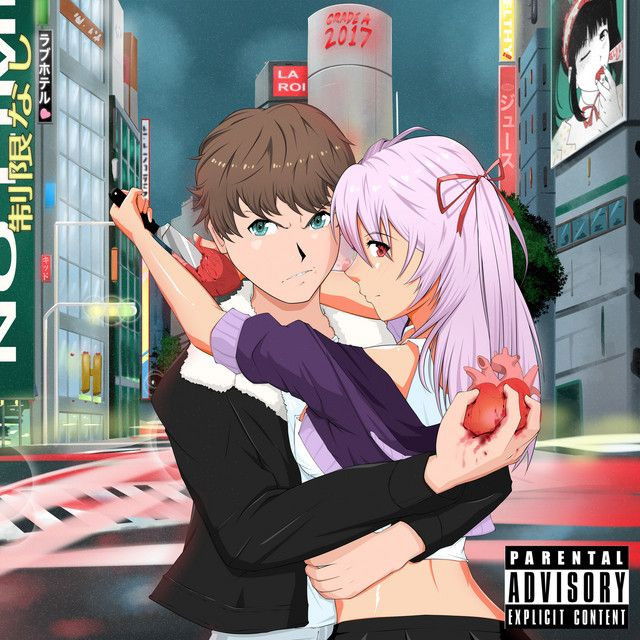
Why “I WISH” Hurts: The Kid LAROI’s Confession
The Kid LAROI’s “I WISH” reads like a late-night voice memo—raw, looping, and heavy with remorse. Across a sparse, moody backdrop, they repeat a promise they can’t keep yet: to fix someone else’s hurt while wrestling with their own. If you’re searching for the meaning of I WISH The Kid LAROI, it’s the sound of a young artist naming the problem: they want change, but they’re stuck.
"I WISH" - The Kid LAROI
Yeah, I wish there was a way I could take away the pain
Yeah, I wish there was a way I could give you everything
Loading lyrics...
Unable to load lyrics
We're unable to display the lyrics at this time. Please try again later.
The Meaning of “I WISH” by The Kid LAROI, Plainly
At its core, the song is about helplessness and responsibility colliding. The narrator wants to take away the pain
for someone close and even give you everything
. But after every wish, reality hits—he doesn’t have the tools yet.
Interpretation: The hook’s repetition isn’t filler; it’s the emotional loop of anxiety and guilt. Each cycle circles the same goal with no new outcome, mirroring how mental struggle can trap people in place.
Credits note: The track lists Charlton Howard (The Kid LAROI), Luis Witkiewitz, and Rio Leyva as writers, underscoring how its tight focus and direct language feel purpose-built for confession.

Watch the official I WISH
music video
Who’s Speaking—and What’s in the Way
The song uses first-person voice. They address a “you,” likely a partner, friend, or family member. But there’s also a second audience: themself. When they wish they could tell you everything
, the barrier isn’t time or distance; it’s fear and shame.
Later, admitting I’m in the way
reframes the whole track. The obstacle isn’t external drama or industry noise—it’s self-sabotage. Interpretation: That line turns the song from apology to accountability, suggesting they finally see how their patterns keep hurting both people.
From Closet to Walls: Images That Carry the Weight
The images are blunt and vivid. Skeletons in my closet
signals hidden history and unresolved guilt. “Blood on the walls” implies that private mistakes have splashed into public view, while falling tears mark exhaustion.
Interpretation: None of these images are there for shock. They map a private battlefield. The closet is secrecy, the walls are the aftermath, and the tears are the cost. This is how the narrator argues that the problem is deep and not a quick fix.
A Short Timeline of the Spiral
Here’s how the narrative unfolds in beats:
- Night after night, intrusive memories surface.
- They try external fixes—status, money, distractions—but the pain remains.
- They avoid the thoughts, then admit they can’t.
- They ask for support, hear they must help themself first, and feel stuck.
- They realize the core block:
I’m in the way
.
Interpretation: The arc moves from denial to recognition. It stops just short of action, which is why the looped hook hits so hard.
Why the Chorus Feels Like a Loop You Can’t Escape
The chorus stacks the same wish with slight variations, anchored by take away the pain
. Musically, its steady rhythm and unchanging melodic contour reinforce that stasis. Interpretation: The form embodies the theme—the narrator keeps circling the same promise, unable to break the cycle. That’s why each return to the hook feels heavier than the last.
How the Sound Mirrors the Story
“I WISH” leans into a minimal, melancholic palette typical of emo-rap and pop-rap. The track keeps space around the vocal so every breath and crack lands. Repetition is the production’s core device: similar chords, restrained drums, and a steady tempo make the hook feel like a mantra. Subtle doubles or ad-libs may thicken key words, emphasizing urgency without turning it into a flex.
Interpretation: The sonic choices put confession over spectacle. Nothing distracts from the words, which is the point—the song asks you to sit with the discomfort of wanting change and not having it yet.
Two Plausible Reads, Same Heart
- Interpretation 1: A letter to a loved one. Evidence: the focus on care—
give you everything
—and the push-pull of sharing versus hiding. - Interpretation 2: A note to self. Evidence: the central admission—
I’m in the way
—reads like self-diagnosis, as if he’s promising his future self he’ll get out of his own road.
Both readings point to the same core: confession as the first step toward change.
Takeaway
For U.S. listeners used to glossy breakup anthems, this track is different. It sits in the honesty of not being fine yet. If you’re weighing the meaning of I WISH The Kid LAROI, think of it as a blueprint for growth that stops at the blueprint stage. The wish is sincere—and naming the block is how the work begins.
Disclaimer: Song interpretations are subjective. This analysis is based on lyrics and public credits; your reading may differ.








