
Why This Killers Anthem Still Hits Hard
The meaning of All These Things That I've Done The Killers comes down to a simple but powerful tension: they want to be strong, but they also need help. That push and pull is what gives the song its unusual force.
"All These Things That I've Done" - The Killers
Is there room for one more son
One more son
Loading lyrics...
Unable to load lyrics
We're unable to display the lyrics at this time. Please try again later.
Released on Hot Fuss in 2004, the track became one of The Killers' defining songs and later earned multi-platinum certifications in several countries, including the U.S. According to widely cited release details, it was written by Brandon Flowers and produced by Jeff Saltzman with the band, with gospel support from the Sweet Inspirations (Wikipedia).
A Song About Strain, Hope, and Identity
On the surface, the song sounds like a giant rock anthem. Underneath, it feels much more personal. The speaker sounds exhausted, restless, and unsure of who they are becoming.
Early lines present someone cornered by life, asking whether there is room for redemption or belonging. When the song says hold on
, it is not just advice. It becomes a survival command, as if endurance is the only thing left.
Interpretation: the song is about trying to keep a moral center while everything around them feels unstable. They want purpose, connection, and maybe even forgiveness, but they are not sure how to reach it.
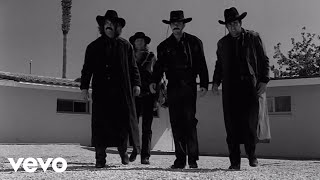
Watch the official All These Things That I've Done
music video
The Famous Refrain Is the Key
The line I got soul
followed by not a soldier
is the heart of the song. It sounds bold, but it is also defensive. The speaker insists they have feeling and spirit, yet they reject the idea that they must become hardened, obedient, or built for battle.
That matters because the verses are full of pressure. There are aching heads, breaking hearts, and a need for direction. So when the refrain arrives, it does not solve the crisis. It names it.
Fact and context: Matt Pinfield has said the song grew out of a conversation with Brandon Flowers about Pinfield mentoring soldiers returning from Iraq while going through a rough personal time himself (Wikipedia). That origin helps explain why the song uses military language without reading as a literal combat narrative.
A Voice Asking Not to Be Pushed Aside
Another major idea in the song is the fear of being dismissed. The plea help me out
sounds direct, almost desperate. So does backburner
, which turns neglect into a vivid image.
This is one reason the track feels so human. It is not a polished speech about confidence. It is somebody admitting that they cannot carry everything alone.
Three emotional moves in the lyric
- They begin in crisis, with nowhere left to run.
- They ask for guidance and recognition.
- They end by trying to endure what they have done and what life has done to them.
That last movement is crucial. The title phrase suggests reckoning. They are looking at their choices, mistakes, and scars all at once.
How the Sound Lifts the Meaning
Part of what makes the song so memorable is how its arrangement turns private pain into collective release. The verses feel tense and searching. Then the chorus opens up, and later the bridge becomes enormous.
Flowers has said U2 was a major influence, especially their use of gospel elements, and listeners can hear that reach for something spiritual in this track's chord movement and choir texture (Wikipedia). The Sweet Inspirations do not just decorate the song. They make it sound like a testimony.
There is also a sharp contrast between the rhythm section and the vocal message. The drums and bass keep pushing forward, while the lyrics admit doubt and fatigue. That tension mirrors the song's message: keep moving, even when certainty is gone.
Why the Lyrics Feel Both Personal and Universal
One striking thing about the meaning of All These Things That I've Done The Killers is how open it stays. The song gives enough detail to feel intimate, but not so much that it closes off other readings.
Interpretation: some hear it as a song about faith and redemption. Others hear burnout, depression, or the cost of ambition. The line about wanting to shine in human hearts suggests a hunger for significance, while the references to age, pain, and change point to emotional wear.
The title itself matters here. all these things
sounds broad on purpose. It lets the phrase carry guilt, experience, memory, and growth at the same time.
Why It Became a Lasting Anthem
The song lasted because it works on two levels at once. It is catchy enough for radio, but emotionally complicated enough to reward close listening. It reached No. 10 on the U.S. Alternative chart and has remained a concert staple for the band (Wikipedia).
Its bridge is a major reason why. Repetition usually simplifies meaning, but here it deepens it. Each return of the central refrain feels less like a slogan and more like a person trying to convince themselves they can still remain whole.
The Last Word on Its Meaning
In the end, the song is about endurance with bruises still showing. It does not offer clean answers. Instead, it says a person can be flawed, tired, and overwhelmed, and still keep some inner life intact.
That is why the song still connects. It turns vulnerability into something huge without pretending vulnerability disappears.
Disclaimer: This interpretation blends documented background with critical reading of the lyrics and sound. Like most great songs, it can support more than one meaning.