Why 'Jenny Was a Friend of Mine' Feels Guilty
The meaning of Jenny Was a Friend of Mine The Killers starts with tension, not certainty. The song drops listeners into what sounds like a police interview, and from there everything feels unstable. The narrator keeps defending himself, but the more they talk, the less settled they seem.
"Jenny Was a Friend of Mine" - The Killers
We had a fight on the promenade out in the rain
She said she loved me, but she had somewhere to go
Loading lyrics...
Unable to load lyrics
We're unable to display the lyrics at this time. Please try again later.
That is what makes the track so effective. It is not just a story about what happened to Jenny. It is a story about panic, denial, and the strange way a person can sound suspicious even while claiming innocence.
A Noir Opener With Immediate Pressure
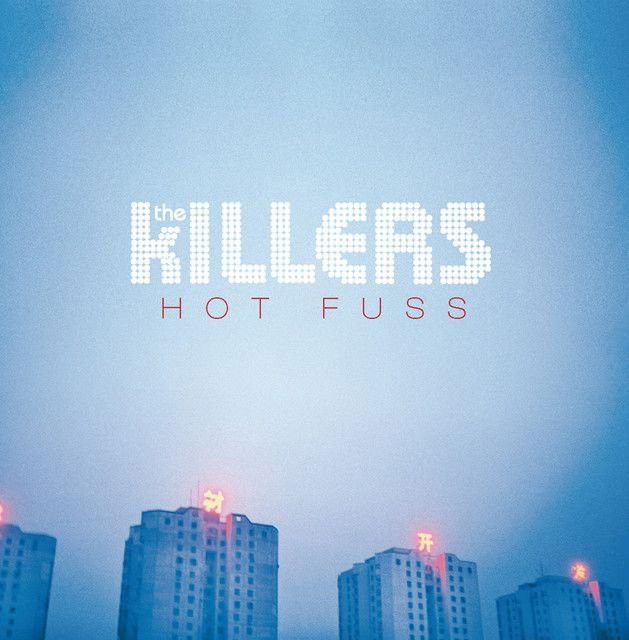
“Jenny Was a Friend of Mine” opens The Killers’ debut album Hot Fuss, released in 2004 by Island Records. The band members credited as writers are Brandon Flowers, Dave Keuning, Mark Stoermer, and Ronnie Vannucci Jr., matching the lineup that shaped the group’s early sound. The song is widely linked to the band’s early “murder trilogy,” alongside “Midnight Show” and “Leave the Bourbon on the Shelf.”
Factually, that places the song inside a larger narrative world from the band’s first era. Artistically, it means the track was built to feel cinematic from the start. They do not ease the listener in. Instead, they begin with accusation, fear, and a voice already on the defensive.

Watch the official Jenny Was a Friend of Mine
music video
What the Song Is Really About
At its core, the song is about a man being questioned after a woman named Jenny is harmed, missing, or dead. The narrator insists there is no motive for this crime
, and they repeat that Jenny was only a friend. That defense is the center of the song.
Interpretation: The key point is not whether the narrator is telling the truth. The key point is how hard they are trying to control the story. In a real conversation, a person who repeats one line too often can sound rehearsed. The song uses that instinct brilliantly.
There is also a personal history behind the interrogation. The verses describe a walk, a fight, and physical closeness. Those details suggest a relationship more emotionally charged than the word friend
would normally imply.
The Narrator’s Voice: Defensive and Unsteady
The first-person voice matters here. The song never steps outside the suspect’s mind, so listeners only hear one version of events. They say, Tell me what you wanna know
, which sounds open at first. But in context, it feels irritated, almost cornered.
Later, the narrator insists, I know my rights
. That line shifts the mood from emotional memory to legal danger. This is no longer just a breakup song or a fight remembered badly. It becomes a scene of questioning where every word could be evidence.
Interpretation: The narrator may be innocent, but they do not sound calm enough to convince anyone. Their speech moves between explanation and protest, which makes the song feel psychologically claustrophobic.
The Story Beat by Beat
How the Lyrics Build Suspense
The plot unfolds in a few sharp moves:
- A walk takes place at night, but something feels wrong.
- The couple fights on a promenade in the rain.
- The narrator describes holding Jenny close.
- The scene cuts to what sounds like an interrogation.
- The narrator keeps denying motive and repeating the relationship label.
One of the most unsettling details is the line about how she had somewhere to go
. It sounds ordinary on paper, but inside this story it becomes ominous. Jenny is trying to leave, and the narrator is focused on holding on.
The repeated claim Jenny was a friend of mine
works like both a defense and a confession of emotional distance. It may be technically true. It may also be a careful understatement hiding jealousy, obsession, or heartbreak.
Rain, Night, and the Promenade
The setting does a lot of work. Rain and nighttime are classic noir images, and The Killers use them to make the story feel slippery and half-seen. A promenade should be public and open, yet the song makes it feel isolated.
Interpretation: Rain can symbolize blurred truth. Night can suggest secrecy or guilt. The promenade, a place for walking and romance, becomes the scene of conflict. In that switch, the song turns ordinary dating imagery into something threatening.
Why the Music Sounds Like a Chase Scene
The production is just as important as the lyrics. The song is driven by a tight, propulsive bassline, crisp drumming, and sharp guitar work. Brandon Flowers’ vocal delivery sounds clipped and urgent, as if the narrator is trying to stay composed and failing.
That musical design supports the song’s meaning. Rather than mourning Jenny in a soft or tragic way, the band makes the track feel active and nervous. It moves like thought under pressure.
This is part of what made early Killers songs stand out. They mixed post-punk tension with glossy new-wave drama, creating songs that felt stylish but emotionally unstable. “Jenny Was a Friend of Mine” is one of the clearest examples of that formula.
More Than One Meaning Still Fits
There are at least two strong readings of the song:
Reading One: A guilty man protests too much
This is the most common interpretation. The narrator’s repeated denials, legal language, and controlling tone all suggest someone trying to talk their way out of blame.
Reading Two: An innocent man is trapped by appearances
This reading is also possible. The narrator may simply know that the circumstances look terrible. In that version, the song becomes a portrait of helplessness, where truth no longer matters because the scene already tells a darker story.
Either way, the emotional result is the same: listeners are left in doubt.
Why the Song Still Pulls People In
The meaning of Jenny Was a Friend of Mine The Killers lasts because the song refuses to solve itself. It gives just enough detail to spark suspicion, then lets the listener become the judge.
That balance of story and ambiguity is why the track remains one of the strongest openings on Hot Fuss. It is catchy, dramatic, and disturbing all at once.
Disclaimer: This article offers interpretation based on the lyrics, performance, and known context. Because the song is intentionally ambiguous, other readings may also be valid.