Why 'The Getting By II' Hits So Hard
The meaning of The Getting By II The Killers, Lucius comes down to a hard question: how do they keep living when life feels smaller than promised? This song is not about a single big drama. It is about the slow pressure of ordinary days, the kind that can wear down love, faith, and hope.
"The Getting By II" - The Killers, Lucius
Says that I'm as quiet as a mouse
I comb my hair and throw some water on my face
Loading lyrics...
Unable to load lyrics
We're unable to display the lyrics at this time. Please try again later.
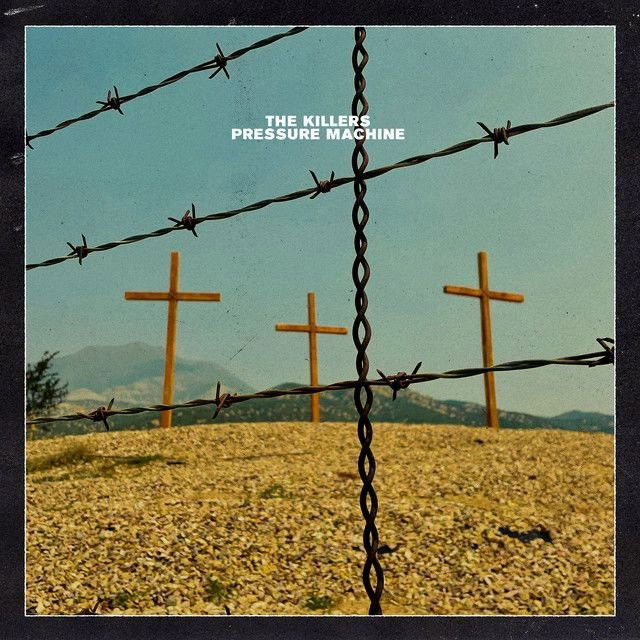
The track is a reworked version of “The Getting By” from Pressure Machine, the Killers’ 2021 concept album about Brandon Flowers’ childhood in Nephi, Utah. That album was released on August 13, 2021, and the deluxe edition with “The Getting By II” arrived on March 25, 2022, with Lucius featured on the song. It was written by Brandon Flowers and Jonathan Rado, and the Pressure Machine project was produced by Jonathan Rado and Shawn Everett. The album has been described as Americana, heartland rock, and folk rock, all of which matter to this song’s plainspoken feeling (Wikipedia).
A Small-Life Song With Big Questions
At the story level, they hear a narrator waking up in a quiet house, moving through a routine, and sensing sadness in a partner’s face. Nothing dramatic has happened in that morning scene, but that is the point. The pain is built into daily life.
The phrase dishwater days
is especially important. They use it to suggest a life of repetition, chores, and emotional dullness. It is not glamorous sadness. It is fatigue that has settled into the walls.
Then the lyric opens into something larger. The narrator wonders if the hurt was preventable, or if the dream itself was false from the start. That shift moves the song from relationship strain into social and spiritual disappointment.
Watch the official The Getting By II
music video
The Chorus Turns Survival Into a Test
The chorus gives the song its central idea: maybe it’s the getting by
. In plain terms, they are asking whether the real enemy is not one event, but the constant grind of surviving. The next thought sharpens it further: that grind could swallow up your every step
.
That image makes everyday life feel almost alive, like a force pressing down on a person. Yet the chorus does not stay hopeless. It also wonders if struggle might be the very thing that teaches endurance.
To get up when the morning breaks
Can you hold on
'til the getting's good?
This is the emotional center of the song. They are not celebrating hardship. They are asking if people can survive it long enough to reach a better season.
Where the American Dream Starts to Crack
One of the sharpest parts of the song comes when the narrator reflects on what people were told this country would offer. The promise was prosperity. The reality, in the song, is narrower.
They point to people who have never seen the ocean or stepped onto a beach. That detail matters because it shows limitation, not just poverty. Some lives are so hemmed in by work, place, and circumstance that even basic wonder feels out of reach.
Then comes the contrast between treasure “up high” and the line all I see is sky
. Interpretation: this can mean several things at once:
- reward always feels far away
- heaven or faith offers no clear answer
- success is sold as visible, but remains unreachable
In each reading, the song pushes against easy national myths. It asks why effort does not always lead to fulfillment.
Why Lucius Matters Here
Lucius changes the song’s meaning by changing its emotional shape. Their harmonies make the track feel less solitary than the original version. Instead of one person thinking through despair alone, “The Getting By II” sounds like shared witness.
That matters because the song is about survival in community as much as survival in private. When more voices join the chorus, the plea to hold on becomes warmer and more believable. It sounds less like self-help and more like neighbors telling each other not to give up.
How the Sound Carries the Message
The Pressure Machine era marked a stylistic turn for the Killers. Flowers said the band wanted to keep “the dust” on the record, using more analog methods and a less polished sound, while drawing from artists like Johnny Cash, John Prine, and Bruce Springsteen’s Nebraska (Wikipedia).
That background helps explain why “The Getting By II” lands the way it does. Its arrangement feels earthy and human rather than oversized. The folk-rock and Americana setting puts the focus on voice, story, and emotional texture.
Interpretation: the brighter reimagining of “II” does not erase the lyric’s sadness. Instead, it creates tension. The music moves with a little more lift, while the words still carry doubt. That contrast mirrors the song’s core idea: people often sound okay before they actually are okay.
The Deeper Meaning of the Ending
As the song repeats its plea, it starts to feel like prayer. The question is not answered. No one explains why life turned out this way. No promise arrives to tie things up neatly.
That unresolved ending is powerful because it is honest. Many people do not get a dramatic breakthrough. They get another morning, another shift, another chance to keep going.
So the meaning of The Getting By II The Killers, Lucius is not just about suffering. It is about the thin line between endurance and defeat. It sees how routine can numb a person, how social promises can fail them, and how love can dim under pressure. But it also leaves room for stubborn hope.
In that sense, the song is both weary and compassionate. It admits that getting by can feel brutal, yet still asks them to hold on until life becomes more than survival.
Disclaimer: This interpretation is based on the song’s lyrics, musical context, and publicly available background. As with any song, listeners may hear different meanings in it.







