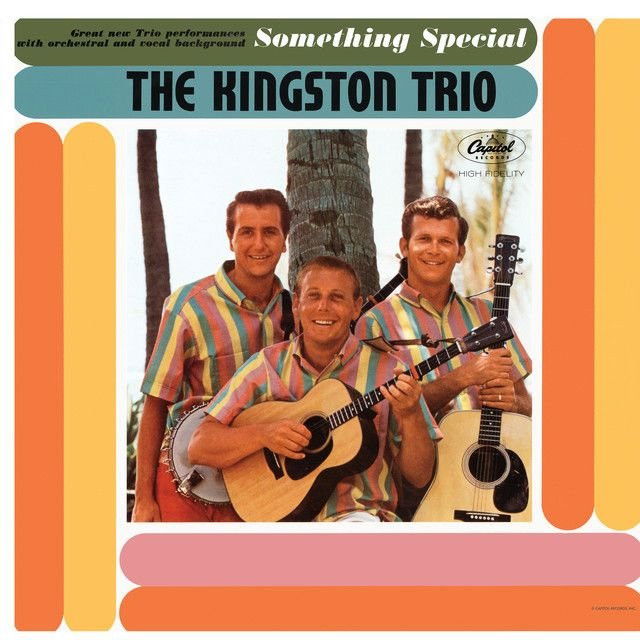
What "O Willow Waly" Means in Kingston Trio
The meaning of O Willow Waly The Kingston Trio starts with a simple scene and a crushing absence. A speaker remembers lying with a lover under a willow tree. Now, that same place has turned into a private space of grief. The song is short, but it carries a large emotional weight: love has been lost, memory will not let go, and nature seems to mourn along with the singer.
"O Willow Waly" - The Kingston Trio
But now alone I lie and weep beside the tree.
Singing 'Oh willow waly' by the tree that weeps with me.
Loading lyrics...
Unable to load lyrics
We're unable to display the lyrics at this time. Please try again later.
The Kingston Trio were known for helping bring traditional and adapted folk material to a wide U.S. audience during the folk revival. Their version of "O Willow Waly" fits that approach. It takes an old-style lament and presents it with clarity, restraint, and a sadness that feels almost timeless.
A Love Song Turned Into a Lament
At its core, this is a mourning song. The speaker looks back on a moment of closeness, then contrasts it with present loneliness. That structure matters. The opening memory of lying beneath the willow is peaceful, but the next thought changes everything: the lover is gone, and the place of love has become the place of sorrow.
A few short phrases show that shift. The memory begins with beneath the weeping willow
. Later, the singer is alone I lie and weep
. In plain terms, the song moves from shared intimacy to isolation.
Interpretation: The missing lover could be absent through death, separation, or distance. The lyric does not explain the cause. That silence is part of the song’s power, because it lets grief feel universal rather than tied to one event.
Watch the official O Willow Waly
music video
Why the Willow Matters So Much
The willow is not just scenery. It is the song’s main symbol. In English-language poetry and folk tradition, willow trees often suggest sorrow, abandoned love, and mourning. Here, the tree is even described as weeping, which turns nature into an emotional mirror.
The refrain makes that connection plain through tree that weeps with me
. The singer does not just cry near the tree. They feel joined by it. Their pain seems so large that the world around them reflects it back.
That image helps explain why the song feels bigger than its few lines. The willow becomes:
- a memory marker
- a witness to lost love
- a symbol of grief that keeps living
The Refrain Holds the Heartbreak Together
The repeated cry Oh willow waly
works like a folk keening phrase, more emotional than narrative. It does not move the story forward. Instead, it deepens the feeling each time it returns.
Oh willow waly
my lover return to me
Those lines show the speaker stuck between hope and despair. They call for reunion, but the rest of the song suggests that return may never happen. That tension is the emotional center of the piece.
Interpretation: The refrain can be heard as a ritual of mourning. Repetition often appears in folk laments because grief itself is repetitive. People replay memories, revisit places, and repeat the same wish long after they know reality may not change.
Folk Roots Give the Song Its Old-Soul Feeling
Although this version is associated with The Kingston Trio, the song’s emotional world connects to a much older British folk tradition. The cry of “waly” is linked to the older song family around "O Waly, Waly" and "The Water Is Wide," a traditional song line that scholars and collectors trace back centuries, with forms published by Cecil Sharp in the early 1900s and earlier lyric ancestors reaching into the 18th century and beyond.
That history matters because it explains why "O Willow Waly" feels both intimate and ancient. Even when presented by a modern folk group, it carries the shape of an inherited lament: short verses, symbolic nature imagery, and a sorrow that is stated plainly rather than dressed up.
How The Kingston Trio’s Sound Supports the Meaning
The performance style is a big part of the meaning of O Willow Waly The Kingston Trio. Their folk approach tends to favor clean vocal lines, careful harmony, and acoustic accompaniment over dramatic studio effects. That restraint suits the lyric.
Instead of overpowering the song, the arrangement leaves room for the sadness to breathe. A soft, steady delivery can make lines about heartbreak feel more believable than a bigger performance would. The likely effect on listeners is not shock, but quiet ache.
This matters because the lyric itself is already intense. Near the end, the speaker admits a broken heart have I
. A restrained arrangement keeps that line from feeling exaggerated. It lets the sorrow land in a human way.
Memory, Place, and Emotional Stasis
One of the most interesting things about the song is that almost nothing happens in the present tense except grieving. The action is mostly memory and longing. The speaker remembers the past, sits in the same place, and asks for a return.
That creates emotional stasis. They are unable to move on because the willow keeps the old moment alive. In that sense, the song is not only about loss. It is also about being trapped inside memory.
Interpretation: Some listeners may hear the song less as a story and more as a snapshot of mourning. It captures one emotional state so completely that the missing backstory hardly matters.
Why the Song Still Connects
The meaning of O Willow Waly The Kingston Trio endures because the song says something basic and painful with very few words: love can turn a beautiful place into a haunted one. Its willow imagery, repeated lament, and spare folk setting all point to the same truth. Grief does not just hurt; it changes how the world looks.
That is why the song lingers. It gives loss a landscape, a sound, and a refrain.
Disclaimer: This interpretation is based on the lyrics, folk-song context, and The Kingston Trio’s performance style. As with many traditional-style songs, different listeners may hear its meaning differently.








