Why "Waterloo Sunset" Feels Like Paradise
The meaning of Waterloo Sunset The Kinks comes down to a simple but powerful idea: they turn an ordinary city evening into a moment of emotional rescue. What looks like a song about London scenery is really a song about solitude, longing, and the strange peace that can come from watching life rather than joining it.
"Waterloo Sunset" - The Kinks
Flowing into the night?
People so busy, make me feel dizzy
Loading lyrics...
Unable to load lyrics
We're unable to display the lyrics at this time. Please try again later.
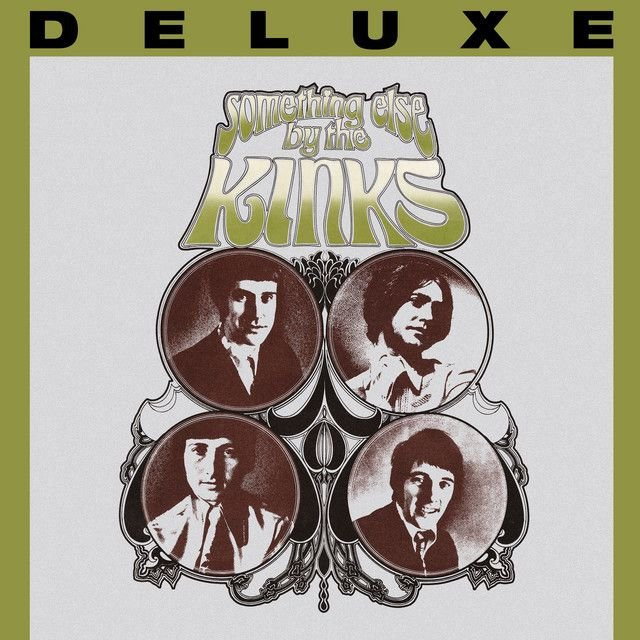
Released as a single in 1967 and later included on Something Else by the Kinks, the song was written and produced by Ray Davies. It reached No. 2 in the U.K. and has since become one of the band's most praised recordings, including a No. 14 placement on Rolling Stone's 2021 list of the 500 greatest songs. Wikipedia Rolling Stone
A City Song That Feels Deeply Private
On the surface, the narrator looks out over the Thames and the area around Waterloo. They notice movement, lights, trains, and crowds. The opening phrase Dirty old river
does not romanticize London at first. It sounds tired, real, and a little grimy.
But the song quickly shifts. The city is busy enough to make the speaker feel overwhelmed, yet the view also gives them calm. That contrast is the heart of the song. The same place that feels dizzying also offers relief.
Interpretation: this is not just a travel postcard. It is about finding a personal refuge inside modern life.

Watch the official Waterloo Sunset
music video
The Narrator Watches Instead of Joining In
One reason the song feels so moving is that the speaker stays on the edge of the action. They admit that crowds and motion make them uneasy, and they seem content to remain indoors, looking outward. The line I stay at home at night
matters because it frames the song as observation, not participation.
That distance does not feel bitter. In fact, the chorus transforms it. When the narrator looks at the sunset, they feel lifted above loneliness. The famous phrase I am in paradise
is emotionally huge because it comes from such a small moment.
This is a key part of the meaning of Waterloo Sunset The Kinks: paradise is not somewhere far away. It is a view, a pause, a state of mind.
Terry and Julie: Romance Seen From Afar
The song also follows two figures, Terry and Julie, who meet near Waterloo and cross the river together. They seem to represent freedom, safety, and romantic escape. While the city swarms around them, they move through it with purpose.
The phrase Terry meets Julie
gives the song a mini-story inside the larger mood piece. They are not developed like characters in a novel. They are more like symbolic figures the narrator sees or imagines.
Ray Davies gave more than one explanation for them over the years. In a 1967 interview, he suggested film-star images; later, he said the song was more of a fantasy connected to his sister and her boyfriend heading toward a better future. He also tied the setting to his own memories of illness, family life, and the Thames. Wikipedia
Two Strong Readings
- Interpretation 1: Terry and Julie are ideal lovers, showing the intimacy the narrator admires.
- Interpretation 2: They are dream figures, representing escape from postwar hardship and everyday routine.
Both readings fit the song because Davies writes with just enough detail to feel specific, but enough openness to invite projection.
The Chorus Turns Loneliness Into Peace
The chorus is where the song reveals its emotional center. The narrator says they do not need company as long as they can look at the sunset. That idea could sound sad in another song. Here, it sounds healing.
Later, the song extends that feeling to the couple too. The peace first claimed by the lone observer becomes something shared. That shift is subtle but important: beauty can comfort the solitary person, but it can also bless the people who connect with each other.
Waterloo sunset's fine
Waterloo sunset's fine
Those repeated words are simple, almost childlike. That simplicity is part of why they land so hard. The song does not argue for beauty. It just rests inside it.
How the Sound Carries the Meaning
The arrangement is one reason the song feels weightless. Recorded at Pye Studios in April 1967, it was the first Kinks recording produced solely by Ray Davies after Shel Talmy's contract ended. Sessions reportedly stretched to about ten hours because of the arrangement's complexity. Wikipedia
The production is soft but carefully shaped. Acoustic guitar, piano, gentle drumming, and layered backing vocals create a floating effect. Dave Davies later said the band worked hard to get a distinctive guitar sound, using tape-delay echo to give the record a fresh shimmer. Wikipedia
That matters because the song is about perception. The music blurs the city's hard edges. Instead of sounding crowded, London sounds suspended in evening light.
Why the Song Still Connects
Rolling Stone called it a delicate ballad about a lonely man watching lovers from his window, and that description helps explain its lasting appeal. It is highly specific to London, yet emotionally universal. Rolling Stone
Anyone who has ever felt overwhelmed by the world can hear themselves in it. Anyone who has ever found comfort in a skyline, a river, or the end of the day can too. The song says that peace does not erase sadness; it sits beside it.
That is why the meaning of Waterloo Sunset The Kinks remains so powerful. They made a song about urban life that feels intimate, cinematic, and calm all at once.
Final Take on a Quiet Masterpiece
"Waterloo Sunset" is about watching, yearning, and being briefly saved by beauty. Its narrator may be alone, but they are not empty. The sunset gives them a way to belong to the world without being crushed by it.
That balance is what makes the song endure. Interpretation: it offers one of pop music's gentlest truths—that a passing view can feel like home.
Disclaimer: song meanings can be subjective, and this interpretation blends lyrical analysis with documented artist context.







