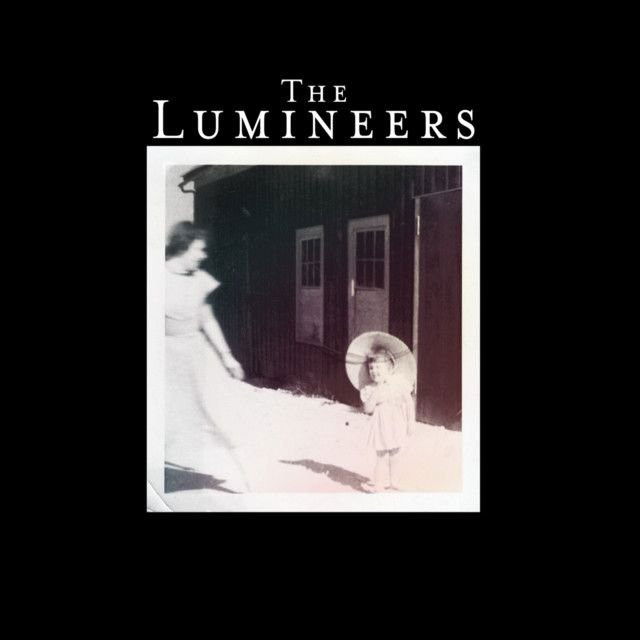
The Promise Inside ‘Ho Hey’ by The Lumineers
They know the hook by heart, but what’s the deeper meaning of Ho Hey The Lumineers? Behind the campfire chant sits a small, earnest story: a lonely narrator who decides to speak up, claim love, and ask for a place to belong.
"Ho Hey" - The Lumineers
(Hey)
(Ho)
Loading lyrics...
Unable to load lyrics
We're unable to display the lyrics at this time. Please try again later.
A plainspoken confession that grows into a vow
The song opens with a private admission of isolation—I been livin' a lonely life
. That short line sets the tone. The speaker is not grand. They are ordinary, restless, and ready to change.
Across the verse, the narrator hints at a life out of step. They can’t quite fit, and they don’t know why. Then they take agency through music itself, using a catchy rhythm and a rising melody to turn doubt into movement.

Watch the official Ho Hey
music video
Who’s talking, and who needs to hear it?
The verses are first-person and direct. The singer looks at one person and admits uncertainty—I don't know where I belong
—then leaps to a clear claim in the chorus: I belong with you, you belong with me
. That shift—from drifting to deciding—is the heartbeat of the song.
There’s also a gentle triangle. The line I don't think you're right for him
suggests the addressee is with someone else. Rather than bitterness, the narrator offers an alternative future. It’s bold, but not cruel, and it keeps the tone hopeful instead of jealous.
A simple story told in city blocks
The daydream of taking a bus to Chinatown and ending up on Canal and Bowery turns a feeling into a map. These streets hint at Lower Manhattan and the pull of a crowded, historic crossroads. The city becomes a stage for chance—two people finally standing side by side.
This is not travel for escape. It’s movement toward clarity. The location details make the story feel real, even as the chorus reaches for something timeless.
Why the chorus sounds like a pledge
The hook’s grammar is plain and sturdy: a two-way statement with no metaphors needed. It functions like a promise said out loud so others can hear it. That public feel matters. The chorus sounds less like a secret and more like a vow the whole room can echo.
Interpretation: The chorus turns private longing into shared purpose. In live settings, the crowd becomes the choir, and the “we” feels bigger than two people.
Sound design: porch-born and arena-ready
“Ho” and “hey” aren’t just shouts; they’re timing marks that drive the stomps-and-claps. Acoustic guitar holds the center while light percussion and group vocals build warmth. The production favors space over gloss, so the voices carry.
As the arrangement swells, the gang vocals blur the line between narrator and community. It feels like friends gathered on a wooden floor, each footfall making the case for connection. The melody sits in a friendly range, which helps anyone sing along by the second chorus.
Symbols, stakes, and the pull of home
Early lines ask to be shown “family” and speak of “all the blood that I will bleed.” Even without quoting them, those images pair belonging with cost. Love is not free; it asks for courage and, sometimes, pain.
Midway through, urgency breaks through in a single plea—Love, we need it now
. The song widens from “you and me” to “us.” That one word, “we,” makes the hook serve both romance and community. It’s a love song that doubles as a neighborhood chant.
The writer’s wink: singing as home-making
Another key moment says, in essence, even if they don’t know where they fit, they can still make songs. That’s a meta move. Music becomes a tool to claim space—a way to build a home in sound while they search for one in life.
Interpretation: The act of singing together is itself the point. Whether or not the relationship works, the choir created by the chorus is real, and it heals.
Context that sharpens the message
Wesley Schultz and Jeremiah Fraites wrote the song, and its spare folk-pop frame helped launch The Lumineers’ 2012 debut. The performance leans on human noise over studio tricks, which keeps the confession close to the mic and the listener. It’s no surprise the track crossed from indie rooms to weddings and ballparks; the form invites everyone in.
Takeaway: a small truth, shouted together
Ho Hey says that belonging starts with a sentence spoken out loud. It takes a lonely room, a city block, and a crowd, and turns them into a promise you can tap your foot to. That’s why the hook sticks: it’s simple enough to share and strong enough to matter.
Disclaimer: Song meanings are interpretive. This reading reflects lyrical, musical, and cultural context, and may differ from the artist’s own intent.









