Why ‘Ophelia’ Sounds Like Falling for Fame
They made a hit that feels both giddy and cautionary. To crack the meaning of Ophelia The Lumineers, it helps to hear the song as a love letter to a beautiful danger: attention.
"Ophelia" - The Lumineers
I, I, should have known better
And I can't feel no remorse
Loading lyrics...
Unable to load lyrics
We're unable to display the lyrics at this time. Please try again later.
A simple story with a complicated heart
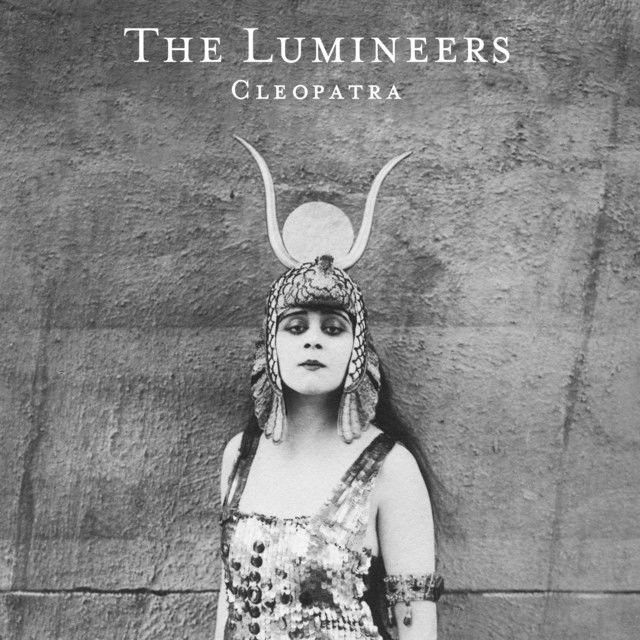
Ophelia arrived in 2016 as the lead single from the band’s second album, Cleopatra, produced by Simone Felice. Wesley Schultz later described the lyrics as “a vague reference to people falling in love with fame.” That framing steers the song away from a single lover and toward the rush—then hangover—of being adored in public.
From the start, the narrator sounds self-aware and a little numb. Phrases like should have known better
and can't feel no remorse
read as the aftermath of choices made for the spotlight. He’s not bragging; he’s documenting what the chase did to him.

Watch the official Ophelia
music video
Who is Ophelia, really?
Interpretation: Ophelia is the feeling of sudden attention. It’s seductive, constant, and hard to quit. When they sing she’s like a drug
, the metaphor is plain. The Shakespeare echo adds weight: Ophelia is tragic charm—soft, pure, and capable of pulling someone under.
There’s also a literal layer. The narrator speaks directly to a “you,” sketching a messy relationship where ambition and intimacy collide. The two readings don’t fight; they stack. If Ophelia stands for fame, the relationship becomes the band’s romance with the crowd.
Verse beats: from paycheck to pressure
The verses map small, concrete beats that feel painfully real:
- A past he’d change if he could—regret without catharsis.
- A new partner and mixed signals, summed up in
you can't see past my blinders
. Tunnel vision is the cost of chasing big things. - Money that doesn’t match the dream—
got a little paycheck
—paired with someone else’s “big plans.” The imbalance breeds distance.
These snapshots show a life tilting toward opportunity and away from closeness. The numbness isn’t post-breakup melodrama; it’s protection.
Chorus as warning siren
Here the melody blooms, but the message tightens:
Oh, Ophelia
Heaven help a fool who falls in love
Interpretation: The chorus is both confession and caution. He’s already fallen, and he knows it makes him a “fool.” The plea for heaven’s help admits the cycle is bigger than willpower. That makes the hook memorable and uneasy at once.
Symbols that do the heavy lifting
Since the flood
: A flood arrives fast and changes the land. That’s fame—sudden, reshaping, and hard to reverse. It also hints at the deluge of attention after a breakout hit.Like a drug
: Addiction language underlines compulsion. He knows it’s not good for him, but he craves it.Blinders
: The image of a workhorse unable to look left or right captures ambition’s narrow view.Honey, I love you
: A tender line that feels final, like a note on a torn page. It reads as someone choosing the road rather than the room they’re in.
Together, these images push the meaning of Ophelia The Lumineers toward a bittersweet thesis: success can cost the very feelings that made the music.
How the stomp-and-piano sound tells the tale
Musically, Ophelia is driven by a jaunty, near‑ragtime piano riff, earthy stomps, and hand‑percussion. The production is lean and live‑sounding, which keeps the mood celebratory even as the lyrics get darker. That tension—sunny groove, shadowed words—mirrors the themes: the high of applause against the low of emotional numbness.
At 2:40, it’s compact by design. The brevity keeps the hook looping, almost like craving itself. Vocals swing between soft confession and a roof‑raising chant, letting the crowd sing along to a warning they might be helping to create.
Other ways to hear it
Interpretation 1: It’s a straight relationship song about a partner who can’t compete with the narrator’s ambition. The paycheck line and the blinders image support this.
Interpretation 2: It’s a meta-commentary on the band’s post‑breakthrough years. Ophelia is the attention machine—press, charts, and expectations—that feels wonderful and warps normal life.
Both readings make sense because the writing stays specific but open. By letting Ophelia be a symbol, they invite listeners to map their own temptations onto it.
Takeaway: why it still sticks
People remember Ophelia because it feels good to sing and a little scary to believe. It’s the thrill of being seen, shadowed by the fear of losing yourself. That push‑pull is the core meaning of Ophelia The Lumineers.
Disclaimer: Song meanings are interpretive and may reflect one of several valid readings based on lyrics, context, and listener experience.









