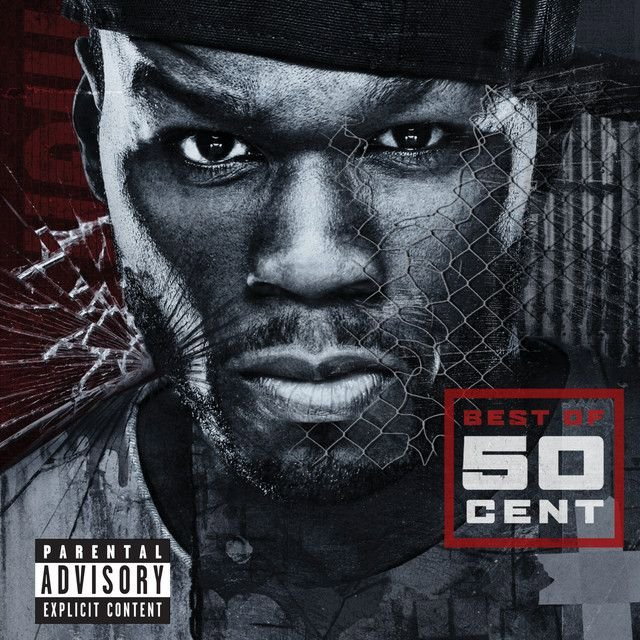
How To Rob by 50 Cent, The Madd Rapper
A stunt record with a serious purpose
The meaning of How To Rob 50 Cent, The Madd Rapper starts with a simple idea: 50 Cent uses comedy, menace, and shock to introduce himself as someone the rap industry cannot ignore. On the surface, the song is a wild fantasy about robbing famous artists. Under that surface, it is really a career move.
"How To Rob" - 50 Cent, The Madd Rapper
The art of getting robbed
This is how we do Brooklyn-style, boy, you know what I'm saying?
Loading lyrics...
Unable to load lyrics
We're unable to display the lyrics at this time. Please try again later.
Released in 1999 as 50 Cent's debut single on Columbia, the track quickly became known for naming a long list of rappers and celebrities. That history matters because it helped build the image that would define him: fearless, funny, and ready for conflict. The single later appeared on Power of the Dollar, the album that was shelved after he was shot in 2000, a key turning point covered in major biographies and label histories like Britannica and The New York Times.
Rather than begging for attention, they take it. The song turns rap fame into a robbery target and treats celebrity success like public bait.
Watch the official How To Rob
music video
What the song is really saying
At its core, the track is about hunger. The speaker presents himself as broke, angry, and ambitious, then turns that frustration into performance. Early on, 50 frames the whole plot with I'm a crook with a deal
. That line is not a confession so much as branding. He is saying the record industry signed someone who still sounds like the street.
The chorus makes the point even more clearly. It jokes that poverty can make someone irrational, then exaggerates that feeling into criminal fantasy. In other words, the song is less a real robbery plan than a cartoon version of desperation. The repeated hook this ain't serious
matters because it gives him cover while also making the threats funnier.
Being broke can make you deliriousSo we rob and stealso our ones can be bigger
That brief hook sums up the whole song: envy, hustle, and absurdity mixed together.
Why the name-dropping matters
Picking targets to build a reputation
The long list of celebrities is not random. 50 Cent picks stars from different corners of late-1990s music: rap, R&B, pop, and even gospel. By doing that, he makes himself sound like he is entering the whole entertainment world at once.
Each name works like a shortcut. Instead of explaining who has money, status, and protection, he just names famous people and imagines stripping that status away. When he asks versions of who gon' protect you now?
, the song mocks the idea that fame makes anyone untouchable.
Joke rap and battle rap at once
Interpretation: The song works as both parody and challenge. It sounds playful enough to laugh off, but it also acts like a battle record aimed at an entire industry. That double meaning is why it caused such a reaction. Some artists took it as a joke; others heard disrespect. Reports from outlets such as Complex and XXL have noted how the single sparked responses and helped make 50 Cent a known name before his biggest commercial run.
Character, voice, and point of view
The narrator is not meant to sound stable or noble. They sound reckless on purpose. That matters because the song's meaning depends on performance: 50 Cent creates a larger-than-life robber character who is part hustler, part comedian, part villain.
The Madd Rapper helps frame that mood. His intro and ad-libs make the track feel like a skit crossed with a street warning. That theatrical setup tells listeners not to hear the song as documentary realism. They should hear it as a provocateur's entrance.
How the beat sharpens the message
Produced by Trackmasters, the song has a lean, bouncy sound that keeps the record from becoming too dark. Trackmasters were central hitmakers in New York rap and R&B in the era, a fact documented in sources like AllMusic. Here, the production gives 50 room to talk aggressively without losing a sense of fun.
The beat is uncluttered, which puts the spotlight on his writing. There is a steady groove under the verses, but the real engine is his timing. He keeps stacking punchlines, names, and threats with very little pause. That breathless style supports the song's central idea: he is so hungry he cannot stop scheming.
The bigger themes behind the punchlines
Three themes drive the song:
- Fame as vulnerability: Rich artists become easy symbolic targets.
- Street credibility as marketing: 50 sells danger as authenticity.
- Humor as a weapon: Jokes let him attack without sounding fully literal.
Interpretation: The song also exposes a tension in rap culture. Success is celebrated, but visible success can also invite resentment, testing, and competition. When 50 imagines taking chains, watches, and cash, those objects stand for more than wealth. They stand for rank.
Why the song mattered so much for 50 Cent
This single helped create the myth of 50 Cent before Get Rich or Die Tryin' made him a superstar. He was not yet dominant on the charts, so he used disruption instead. In that sense, the meaning of How To Rob 50 Cent, The Madd Rapper is tied to self-invention. The song says: if the industry will not hand over space, they will seize it.
That strategy worked because the record is memorable on first listen. Even people offended by it had to talk about it. In rap, conversation is power.
Final takeaway
“How To Rob” is not just a list of threats. It is a clever introduction to 50 Cent's worldview: fame is fragile, money attracts danger, and humor can hit as hard as a diss. The song turns imagined crime into a statement about ambition.
Interpretation disclaimer: This reading is an informed analysis based on the lyrics, historical context, and production style. Like most songs, it can support more than one interpretation.








