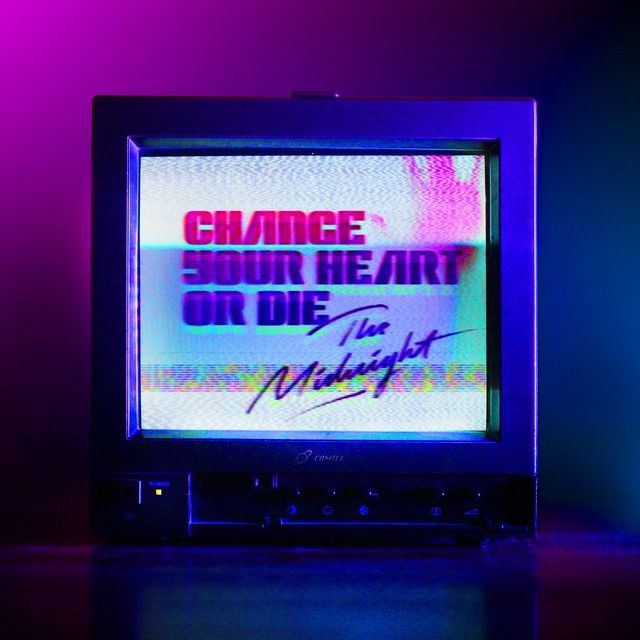
Why The Midnight’s Dark Anthem Hits So Hard
The meaning of Change Your Heart or Die The Midnight centers on a hard truth: survival is not just physical. In this song, change is emotional, moral, and deeply personal. The speaker looks back on pain, false starts, and collapse, then lands on one brutal conclusion: if a person refuses to transform, they risk becoming spiritually stuck.
"Change Your Heart or Die" - The Midnight
Took a lot of pain to tame a heart
Took a lot of years to lose my fear of flying
Loading lyrics...
Unable to load lyrics
We're unable to display the lyrics at this time. Please try again later.
That idea fits The Midnight well. The duo of Tyler Lyle and Tim McEwan are known for synth-driven songs that mix longing with motion, and their 2022 album Heroes pushed their sound toward bigger rock energy. According to MusicRadar, the album drew from hair metal and arena-sized production, which helps explain why this track feels less dreamy than many older Midnight songs.
The Core Message Behind the Warning
At its heart, the song is about crisis forcing growth. The verses list what it took to build a self: money, pain, time, tears. None of that growth came easily. The speaker has had to learn courage the slow way, through damage and repetition.
Then the chorus delivers the thesis in five words: Change your heart or die
. The line is blunt on purpose. It sounds like an ultimatum, but not necessarily from another person. It may be the voice of conscience, age, fate, or even the self finally telling the truth.
Interpretation: The song suggests that people can outgrow old defenses only when life becomes too intense to ignore. The choice is not really between comfort and change. It is between change and collapse.
Watch the official Change Your Heart or Die
music video
A Story of Breaking Before Becoming
The verses move like a short timeline of adulthood:
- First, they build an identity that looks convincing from the outside.
- Then they admit that pain shaped the inside.
- Next, a sudden setback tears progress apart.
- Finally, that wreckage reveals a deeper desire.
That structure matters. The song does not say healing is clean or noble. It says people often learn through failure. Phrases like fall apart
and fear of crying
show that breakdown is not separate from growth. It is part of growth.
There is also a quiet contrast in the early lines. The speaker once feared both flying and crying, which links risk with vulnerability. One fear is about motion; the other is about feeling. By the time the song reaches its title line, it has joined those two struggles together.
Fire at the Crossroads
The song’s biggest image is fire. It appears again and again, but each version adds pressure. In one line, fire is a clock: ticking like a time bomb
. In another, it is violence and destruction. Then it waits at the crossroads
, turning the song into a moment of decision.
This is where the writing gets especially effective. A crossroads usually means choice, destiny, or a turning point. Fire means danger, purification, or rebirth. Put together, they suggest a person standing at the exact place where they must become someone else.
Fire, waiting at the crossroads
How will you survive?
That two-line hook reframes the whole song. Survival here is not passive. They cannot just endure the flames. They have to answer them.
Interpretation: The repeated fire imagery may represent panic, trauma, desire, or the pressure of change itself. The song leaves that open, which makes it more universal.
How the Sound Sells the Meaning
Part of why this message lands so hard is the production. The Midnight came from synthwave, a style often built on nostalgia, neon textures, and cinematic mood. But on Heroes, they widened that formula with more guitar-forward force and stadium-scale drama.
“Change Your Heart or Die” sounds like an emergency in motion. The beat drives forward instead of floating. The synths feel tense rather than soft. The chorus hits like a command, not a sigh. That matters because the lyrics are about transformation under pressure, and the music creates that pressure in real time.
Tyler Lyle’s vocal also helps. He does not oversing the verses. Instead, he sounds measured, almost reflective, before the hook opens into something larger and more urgent. That contrast mirrors the song’s message: private pain becomes public reckoning.
Where It Sits in The Midnight’s World
The Midnight are an American duo made up of Tyler Lyle and Tim McEwan, and their music often balances movement with melancholy. Even when they write huge choruses, there is usually some ache underneath. Their long-running attachment to nostalgia and impermanence has often been tied to the Japanese idea of mono no aware, a phrase associated with beauty and transience.
This song keeps that emotional depth but strips away some softness. Instead of longing for the past, it confronts the present. Instead of romantic escape, it offers judgment. That makes it one of their more severe songs, even though it still feels cinematic and emotional.
It also fits Heroes as an album title. Heroes are often imagined as brave from the start. This song argues the opposite. Real courage may begin when a person admits they are not okay and cannot stay the same.
Final Take on the Song’s Meaning
The meaning of Change Your Heart or Die The Midnight is about inner transformation under extreme pressure. It shows a person shaped by pain, pushed by crisis, and forced to choose between emotional honesty and self-destruction.
What makes the song powerful is its balance. It is personal but wide open. It sounds huge, yet its central struggle is inward. For listeners, that is why the title sticks: it feels dramatic, but it also feels true.
This interpretation is based on the lyrics, the song’s musical choices, and publicly available artist context. As with any song, meaning can remain personal and open to other readings.







