Why “Shadows” Feels Like a Fight With the Self
The meaning of Shadows The Midnight starts with a simple but painful idea: the person telling the story feels split in two. One part wants love and honesty. The other part keeps choosing distance, damage, and escape. That inner conflict is what gives the song its haunting power.
"Shadows" - The Midnight
On the ocean after dark
Over the lonely and the holy
Loading lyrics...
Unable to load lyrics
We're unable to display the lyrics at this time. Please try again later.
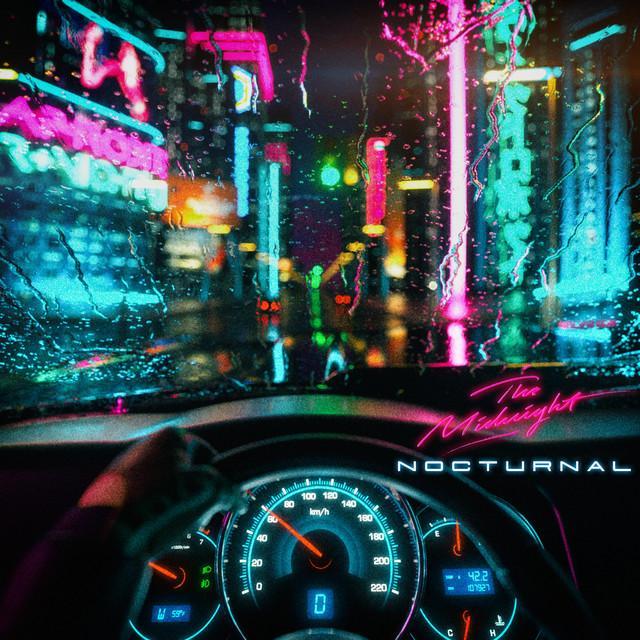
The Midnight are known for turning neon-night imagery into emotional storytelling, especially on releases like Kids. In “Shadows,” that style becomes darker. The city is not just a backdrop. It acts like a mirror for fear, guilt, and the side of the narrator they do not fully control.
A Love Song Pulled Apart by Guilt
At its core, “Shadows” sounds like a breakup song caused by self-sabotage. The narrator sees someone they love, feels the urge to be open, and then does the opposite. They mean to speak love, but leave instead. That turn is the emotional center of the track.
A few short lines make that conflict clear. When the song says I love you
and then goodbye
, it shows a person whose feelings are real but whose actions fail them. The tragedy is not lack of love. It is the inability to stay present long enough to protect it.
Interpretation: the “shadow” is the destructive impulse that appears when intimacy becomes too real. Rather than naming that fear directly, the song turns it into a figure that follows, rises, and disappears.

Watch the official Shadows
music video
The City as a Stage for the Inner Split
The opening verse paints a skyline and waterfront at night, but the imagery does more than set mood. The city feels alive, cut into dark shapes, wet streets, and moving shadows. That matters because the narrator’s emotions are also blurred and unstable.
When the lyric describes gentle rain downtown
and black top
, it places the story in a glowing but lonely urban world. This is a classic Midnight setting: neon, pavement, nighttime motion. But here those details are not romantic. They feel heavy, almost noir.
The repeated phrase Shadows in the city
links outer space and inner state. The streets are full of darkness, and so is the narrator. The city becomes a place where they can hide from themselves while also being chased by themselves.
Who the Shadow Really Is
The song treats the shadow almost like a creature. It rises from water, moves behind the narrator, and later slips away after the damage is done. That monster-like framing gives the song a supernatural surface.
Still, the strongest reading is psychological. The clearest clue is stranger to myself
. That line shifts the focus away from an outside villain and toward inner alienation. The narrator does not simply fear losing a partner. They fear becoming someone they barely recognize.
Here is the song’s key emotional logic:
- They want closeness.
- A darker impulse takes over.
- The relationship is hurt.
- Regret arrives too late.
That pattern makes the shadow feel like depression, shame, addiction, or a learned habit of pushing love away. The lyric never locks into one explanation, which is part of why it connects with different listeners.
What the Chorus Adds to the Meaning
The chorus compresses the whole song into two ideas: identity loss and emotional destruction. The narrator is not just sad. They feel replaced. In the city, they become someone else.
“I’m a stranger to myself
On these streets I’m someone else”
This brief passage is the song’s clearest statement of self-division. The chorus also compares the shadow to a dark force that comes between two people. In plain terms, the relationship is being attacked from within. The enemy is not the partner. It is the broken part of the speaker.
Sound, Mood, and Why the Track Feels Cinematic
Part of the meaning of Shadows The Midnight comes from sound as much as words. The Midnight’s music often blends synthwave, dream pop, and rock textures, a style widely associated with the duo’s catalog on their official site. In a song like this, that palette helps create emotional distance and tension at the same time.
The production style listeners associate with The Midnight usually favors glowing synths, wide atmosphere, and a strong sense of movement. That suits “Shadows” perfectly. The imagery of wet streets, river water, and downtown lights feels cinematic because the music likely supports it with layered texture rather than stark minimalism.
Interpretation: the polished nighttime sound makes the pain feel larger, almost mythic. Instead of a private mistake in a room, the song turns heartbreak into a whole cityscape.
Symbols That Keep Returning
Several motifs shape the song’s meaning:
- Shadows: the hidden self, guilt, or destructive habits.
- City streets: freedom mixed with anonymity.
- Water and shoreline: the place where buried feelings rise up.
- Neon and rain: beauty covering loneliness.
The phrase beyond our city
is especially interesting. It can suggest escape, a wish to outrun the pattern, or a dream of life outside this emotional landscape. But the repetition also hints that escape may not come easily. If the shadow lives inside the narrator, leaving town changes nothing.
The Most Plausible Takeaway
The best way to read “Shadows” is as a song about self-sabotage in love. The narrator cares deeply, but an inner darkness keeps interrupting intimacy. That darkness may be fear, shame, or a fractured sense of self.
What makes the track memorable is that it never sounds clinical. It turns emotional harm into vivid night imagery, giving listeners something they can see and feel. That is why the meaning of Shadows The Midnight lingers: it captures the moment when someone knows they are causing pain and cannot stop themselves in time.
Interpretation note: song meanings are not fixed. This reading is based on the lyrics provided, the band’s established style, and common themes listeners may hear in the song.








