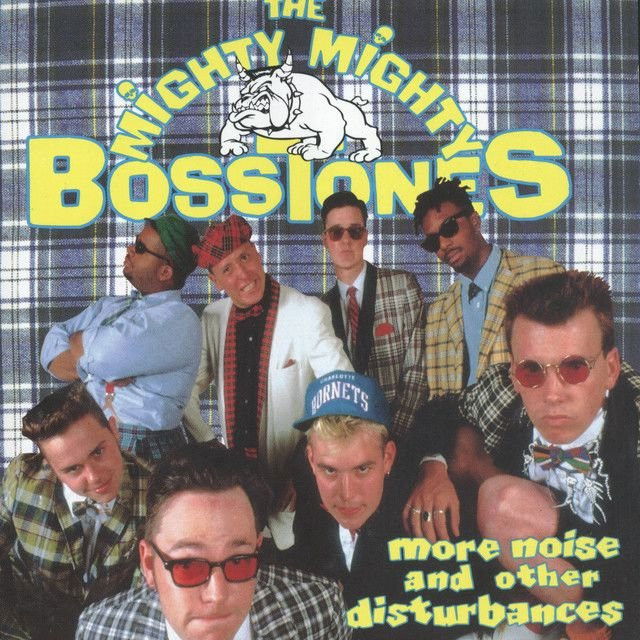
How 'I'll Drink to That' Turns Despair Into Motion
The meaning of I'll Drink to That The Mighty Mighty Bosstones starts with a person on the edge, then follows them into a loud room where they choose motion over collapse. It is not a polished redemption song. Instead, it sounds like survival in real time: messy, sleepless, and a little desperate.
"I'll Drink to That" - The Mighty Mighty Bosstones
standing stiff on a cliff and I'm not gonna leap,
checked out the water but it's much too deep
Loading lyrics...
Unable to load lyrics
We're unable to display the lyrics at this time. Please try again later.
The Mighty Mighty Bosstones built their reputation on a mix of punk, ska, and hard-edged rock energy, a style often called ska-core by critics and fans covering the band’s history at sources like AllMusic and Britannica. That matters here. Their music often turns chaos into momentum, and this song uses that same force to tell a story about getting through the night.
At the Edge, but Not Over It
The first lines place the narrator in a dangerous mental state. When they describe standing stiff on a cliff
, the image is direct: they are frozen at a breaking point. The next detail, that the water is too deep, suggests fear, risk, and the sense that any leap would be final.
Even so, the song’s key fact is that they do not jump. They wait, hoping to be found. That small pause is the emotional hinge of the whole track. It shows a person who is overwhelmed but still leaving a door open to rescue, chance, or connection.

Watch the official I'll Drink to That
music video
The Attic as an Inner Room
A second major image is the attic. The narrator goes upstairs to decide what to keep and what to throw away. On the surface, that sounds like cleaning. Interpretation: it feels more like sorting through painful thoughts, old memories, and emotional debris.
When the lyrics describe thoughts tied in knots and the attic turning bone-dry
, the song suggests a mind stripped down but not healed. They have removed some clutter, yet they still cannot rest. The crisis remains.
This is why the song feels honest. It does not pretend that self-examination alone fixes everything. The speaker tries solitude, darkness, and control, but none of them fully work.
The Chorus Chooses Life the Messy Way
Then the song breaks outward. The repeated lines about a crowded room and broken bottles turn the setting from private suffering into public noise. In the refrain, the speaker says, I feel alive in this dive
. That is the clearest emotional statement in the song.
The place is not glamorous. It is a dive bar, not a clean new beginning. But that is exactly the point. Relief comes in an imperfect place, surrounded by other bodies, sound, and motion. The title phrase, I'll drink to that
, lands like a rough toast to staying alive.
Interpretation: this is less about alcohol itself than about rejoining the world. The drink is a symbol of participation. They are no longer alone in the attic of their own thoughts.
A Quick Story of Survival
The song also works as a tight narrative. Its timeline moves fast:
- They start at a cliff, stuck and frightened.
- They retreat inward, trying to sort themselves out.
- They realize darkness is not enough.
- They force themselves to move: get up, get out.
- They end up in a packed bar and feel present again.
That sequence matters for the meaning of I'll Drink to That The Mighty Mighty Bosstones because it shows survival as action, not revelation. The narrator does not discover a grand truth. They just keep going until they reach a place that interrupts the spiral.
Rain, Cars, and the Need for Friction
Late in the song, the outside world enters hard. It is raining. The car fails. Nothing about the scene is smooth. Yet the narrator keeps moving, first walking, then running.
These details reinforce the main theme: life returns through friction. Trouble does not disappear, but forward motion creates possibility. The world pushes back, and that resistance becomes proof that they are still in it.
This fits the Bosstones’ broader style. Their best-known work often carries grit, group energy, and blue-collar directness, noted in overviews of the band from sources such as Rolling Stone and Trouser Press. Even without citing a specific studio anecdote here, the performance itself suggests that same spirit.
How the Sound Sells the Meaning
Musically, the song’s impact comes from force and repetition. The rhythm hits like a shove forward, and Barrett’s vocal style sounds urgent rather than reflective. He does not sing this like a diary entry. He barks it out like someone trying to stay upright by sheer volume.
That approach is crucial. A softer arrangement might make the song feel tragic. This arrangement makes it feel defiant. The repeated hook becomes almost communal, like a barroom chant where private pain gets absorbed into a louder shared space.
Interpretation: the production turns a personal crisis into a group survival anthem. Even if the narrator feels broken, the band behind them never sounds passive.
The Most Plausible Reading
The strongest reading is that the song is about interrupting self-destruction through movement, noise, and human presence. It begins in isolation and ends in contact. It starts with paralysis and ends with a toast.
A second reading is possible too: the song may be questioning whether barroom relief is healthy or just temporary. That ambiguity gives it depth. The speaker feels alive, but the song never claims they are fully healed.
Why the Song Still Connects
What makes this track stick is its refusal to offer a neat lesson. It says some people do not find rescue in silence, sleep, or perfect clarity. Sometimes they find it in a room that is too loud, too crowded, and just alive enough to pull them back.
That is the lasting meaning of I'll Drink to That The Mighty Mighty Bosstones: survival can look messy, but messy is still survival.
Disclaimer: This article offers an interpretation of the song based on its lyrics, performance, and publicly known artist context. Different listeners may hear it differently.








