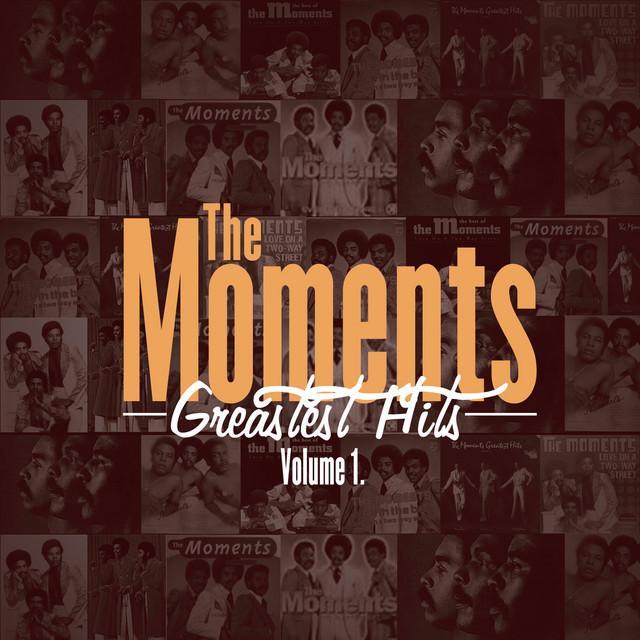
Why 'Love on a Two Way Street' Still Hurts
The meaning of Love on a Two Way Street The Moments comes down to one sharp emotional turn: a romance that felt mutual suddenly becomes a story of loss, blame, and loneliness. The song is not just sad. It is sad in a specific way. They describe a person who thought they had found real, shared love, only to realize that the relationship was far less secure than it seemed.
"Love On a Two Way Street" - The Moments
And lost it on a lonely highway (I lost love, I lost love)
Love on a two-way street (I found love)
Loading lyrics...
Unable to load lyrics
We're unable to display the lyrics at this time. Please try again later.
Released as a single in March 1970, The Moments' version became a major hit, reaching No. 1 on Billboard's R&B chart for five weeks and No. 3 on the Hot 100. It also earned RIAA Gold status, showing how widely its heartbreak resonated. The song was written by Sylvia Robinson and Bert Keyes, and Robinson also produced The Moments' recording.
A Love Song Built on a Sudden Reversal
The song's core image is simple and memorable. The phrase two-way street
suggests balance, exchange, and equal feeling. Then the song flips that image into lonely highway
, which sounds wide, empty, and one-sided.
That contrast explains why the hook is so effective. In just a few words, the song moves from intimacy to isolation. They are not only losing a partner. They are losing the belief that the relationship was shared in the same way.
Interpretation: This is why the song still lands so hard. It captures the moment when love stops feeling like a partnership and starts feeling like a long, private road.
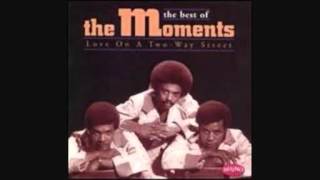
Watch the official Love On a Two Way Street
music video
The Story the Verses Tell
The verses fill in that emotional plot with regret and hindsight. Early on, the singer admits that people say True love will never die
, but their experience says otherwise. That line matters because it places common romantic wisdom next to personal pain.
Then the song remembers a tender scene. There is soft music, affection, and words of love. For a moment, the relationship feels almost sacred, as if it were a revelation rather than a passing romance. That is why the later exit hurts so much: the breakup does not follow a cold relationship. It breaks a dream that once felt convincing.
One of the most revealing moments comes when the narrator admits being fooled and feeling responsible too. They are hurt by the other person, but they also judge themselves for not seeing the truth sooner. The emotional mix is not just anger. It is grief plus embarrassment.
How could I be so blind
And then she walked out
Those short phrases capture the song's movement from self-questioning to abandonment. The heartbreak is external and internal at the same time.
Why the Road Imagery Works So Well
The song uses travel images to make emotional pain easy to picture. Streets and highways are not random details. A two-way street means movement in both directions. It implies exchange, fairness, and return. A lonely highway suggests distance without connection.
That makes the title more than a catchy line. It becomes the song's whole philosophy of love. Real love needs traffic in both directions. Once that mutuality disappears, the singer is left traveling alone.
Interpretation: The road metaphor also hints at emotional momentum. Once the breakup begins, it feels hard to stop. The singer is carried forward by loss, even while looking backward at what seemed beautiful.
The Sound of Elegant Heartbreak
Part of the song's power comes from how gently it delivers pain. Research on the recording notes that Bert Keyes handled the piano and created the string arrangement, while Willie and The Mighty Magnificents provided most of the backing. That musical setting matters.
Instead of pushing the drama too hard, the production wraps the story in soft soul textures. The piano gives the song intimacy. The strings add grace and sadness. The lead vocal sounds wounded, but never wild. That restraint makes the song feel mature.
They do not hear a meltdown. They hear someone replaying the moment after the damage is done. That difference is important. The arrangement sounds like memory, which is why the record feels both warm and devastating.
Context Makes the Meaning Bigger
The song first appeared in 1968 in another recording by Lezli Valentine, and The Moments later cut their version for the album Not on the Outside, But on the Inside, Strong!. According to available history, Sylvia and Joe Robinson then chose to release it as a single, where it became one of 1970's biggest R&B songs.
That success makes sense. The song blends classic soul emotion with pop clarity. It is specific enough to feel personal, but broad enough for almost anyone to recognize themselves in it. Its afterlife proves that too: it has been covered by artists including Stacy Lattisaw and Gloria Estefan, and elements of The Moments' version have been sampled in later records.
Final Take on the Song's Meaning
The meaning of Love on a Two Way Street The Moments is about the shock of discovering that love was not as mutual as it seemed. The song turns that discovery into vivid images of roads, memory, and regret. It is a breakup song, but also a song about trust collapsing.
What makes it timeless is its balance. They hear romance, betrayal, self-blame, and loneliness all in one smooth ballad. That emotional complexity is why the record still feels fresh decades later.
Disclaimer: This interpretation is based on the lyrics, recording context, and documented release history. As with many classic songs, listeners may hear meanings that differ from this reading.








