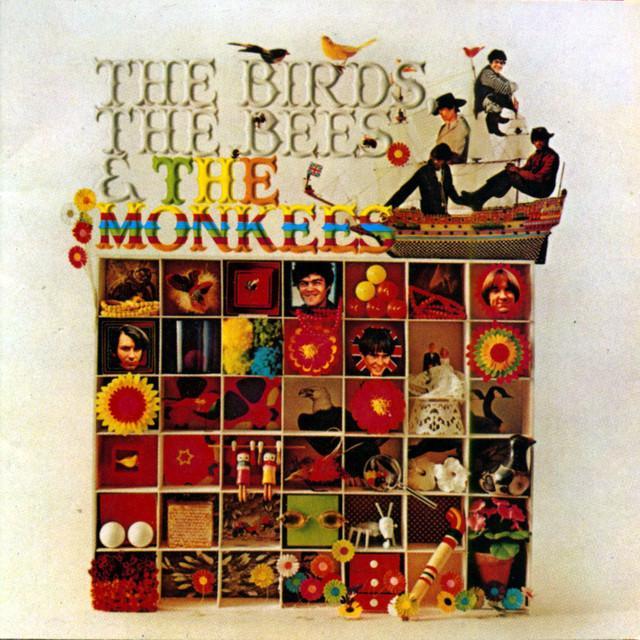
Why "Daydream Believer" Still Feels So True
The meaning of Daydream Believer The Monkees comes from a simple but lasting idea: life may turn out more ordinary than expected, yet love, humor, and imagination can still carry people through it. That is why the song feels bright and bittersweet at the same time.
"Daydream Believer" - The Monkees
What number is this, Chip?
7-A
Loading lyrics...
Unable to load lyrics
We're unable to display the lyrics at this time. Please try again later.
Released by The Monkees in 1967 and written by John Stewart, the track became one of the group’s biggest hits. Even without hearing every word closely, listeners can feel its mix of morning-after realism and stubborn optimism. The song smiles at adulthood, but it does not entirely trust it.
A Pop Hit With a Morning-After Heart
On the surface, the song sounds sunny and easy. Underneath, it opens with a person waking from comfort into routine. The image of hiding under a bird’s wings suggests a wish to stay in a softer world, while the alarm and the cold razor bring them back to real life.
That contrast sets up the whole song. The narrator is not crushed by reality, but they are clearly aware that dreams do not last forever. In that sense, the song is less about fantasy than about what remains after fantasy fades.
Factually, John Stewart wrote the song, and The Monkees recorded it during the later phase of their 1960s run, when the group was trying to be seen as more than a TV creation. It was issued as a single in late 1967 and became a No. 1 hit in the U.S., according to chart records from Billboard.
Watch the official Daydream Believer
music video
What the Verses Reveal About Everyday Life
The first verse is built around a familiar feeling: wanting to stay asleep rather than face the day. The lyric phrase six o'clock alarm
is not just a detail. It stands for work, habit, and the dull edges of adult responsibility.
Then comes the sharp little image my shaving razor's cold
. In plain language, the song moves from dream space to the bathroom mirror. That is a clever way of showing how romance and hope can collide with the plain facts of a regular morning.
In the second verse, the relationship comes into focus. The other person once saw the narrator as white knight on his steed
, a playful image of youthful idealism. Now both people seem older and wiser. They still care for each other, but the grand fantasy has become an ordinary life with limited money and fewer illusions.
Why the Chorus Hits So Hard
The chorus is what made the song unforgettable, but it also carries its deepest meaning. When they sing Cheer up, sleepy Jean
, it sounds affectionate, not cruel. The speaker is trying to lift someone’s mood while also admitting that the dream has changed.
The key phrase daydream believer
names a person who wants to keep faith in a brighter story. Pairing that with homecoming queen
adds an American image of teenage glory and idealized romance. Together, those labels suggest two people shaped by youthful hopes now facing the less glamorous truth of adulthood.
Interpretation: The chorus asks what it means when dreamers must live in the real world. It does not answer with despair. Instead, it implies that tenderness matters more when life stops looking magical.
The Sound Keeps the Message Light
Part of the song’s genius is that it never sounds heavy-handed. The arrangement is upbeat, piano-led, and easy to sing along with. That production style lets the message slip in gently.
The Monkees were often associated with polished pop, and that works in the song’s favor here. The buoyant tempo and clean harmonies soften lines that could otherwise feel sad. In effect, the music tells listeners that disappointment is survivable.
There is also a smart tension between lyric and sound. The words describe routine, lost illusions, and money worries. But the performance stays warm and open, which keeps the song from turning cynical. This balance is a major reason it still connects across generations.
Artist Context Matters Here
The Monkees themselves were often caught between image and reality. Created for television, they spent much of their career pushing against the idea that they were only a manufactured act. That larger context makes “Daydream Believer” even more interesting.
A song about ideals meeting reality fits a band whose public story involved the same struggle. According to The Monkees’ official site, the group’s history included ongoing efforts to gain more artistic control. That does not prove authorial intent for every line, but it helps explain why this song sat so naturally in their catalog.
The Best Way to Read the Song Today
For many listeners, the meaning of Daydream Believer The Monkees is not that dreams are foolish. It is that dreams must adapt. The song gently laughs at old fantasies, yet it refuses to mock the people who had them.
That is why the track feels both nostalgic and mature. It honors the younger self who believed in fairy-tale love, while accepting the adult truth that happiness may look smaller, simpler, and more practical.
A Lasting Takeaway
“Daydream Believer” endures because it captures a universal shift: the moment when people realize life is not a movie, but still worth loving. The song’s sweetness comes from that balance between realism and hope.
This article offers an interpretation based on the lyrics, performance, and historical context. Like many great pop songs, its meaning can remain open to listeners’ own experiences.








