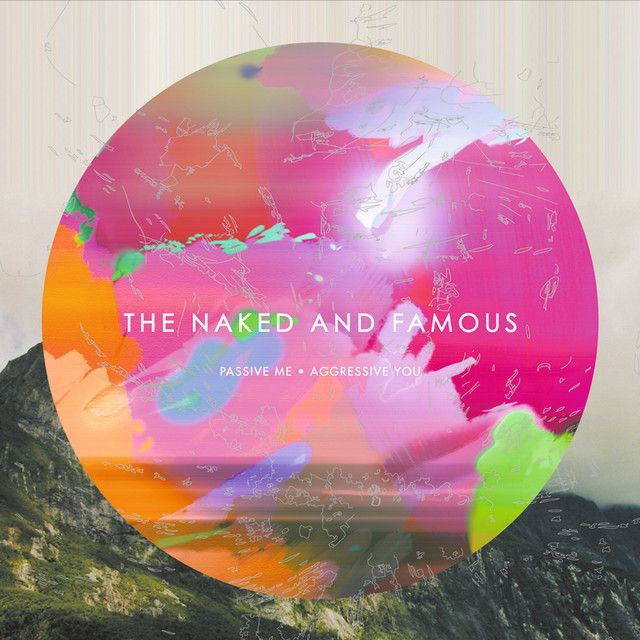
Girls Like You by The Naked and Famous
A sharp portrait, not a love song
The meaning of Girls Like You The Naked and Famous centers on image, attention, and the fear of what remains when beauty or status fades. Rather than praising its subject, the song sounds like a warning. They present someone who moves fast, draws eyes, and seems powerful on the surface, but may be emotionally cut off underneath.
"Girls Like You" - The Naked and Famous
Further and further away
Into the sun
Loading lyrics...
Unable to load lyrics
We're unable to display the lyrics at this time. Please try again later.
That tension shows up early. The opening image of whirlwind run
suggests speed, chaos, and escape. The song then pushes that person toward exposure, asking what happens when admiration ends and real life steps in.

Watch the official Girls Like You
music video
Where the song came from
“Girls Like You” appears on Passive Me, Aggressive You, the 2011 debut album by New Zealand indie electronic band The Naked and Famous. Songfacts reports that Thom Powers said he wrote it while thinking about three people: a boy character, a girl character, and a real girl he had once addressed with the line about songs being written about girls like her. That comment matters because it suggests the song is not just abstract social criticism. It likely mixes observation, memory, and storytelling.
Factual details are limited in the provided sources, but the writing credit given here is Aaron Short, Alisa Xayalith, and Thom Powers. The band’s early sound on this album helped define their breakout era: urgent drums, glittering synths, and vocals that feel both intimate and distant.
The verses ask one brutal question
What is left when attention disappears?
Most of the lyric is built from questions. That structure is important. Instead of explaining the character directly, they keep testing her identity from different angles.
The harshest questions are about dependence on approval. When the song asks what happens if she loses her beauty, or if nobody follows her anymore, it is really asking whether her sense of self depends on being seen. The repeated challenge is not only social but emotional: can she survive without being desired?
A key line describes a heart as a stone
. Paraphrased, the idea is that glamour may hide emotional numbness. The song contrasts outer style with inner emptiness, suggesting that pretty surfaces can cover fear, cruelty, or plain disconnection.
Why the narrator sounds accusatory
The tone can feel almost confrontational. The phrase girls like you
is repeated like a label, which turns the song into a type of character study. The narrator seems to know this person well enough to see through her public image.
Interpretation: They may be addressing a specific woman, but the song also works as a broader critique of performative coolness. It asks whether someone who is constantly admired has learned how to exist without an audience.
The chorus turns the person into a myth
The hook is memorable because it does two things at once. On one level, saying people write songs about people like this means she is magnetic, dramatic, and impossible to ignore. On another level, it implies she is a familiar type: the beautiful, elusive figure who inspires obsession and resentment.
Don’t you know people write songs about girls like you? About girls like you
That brief refrain is less romantic than it first sounds. In context, it feels ironic. They are not saying she is special in a simple way. They are saying she is the kind of person who becomes a story because she leaves damage, fascination, and unanswered questions behind.
The imagery of collapse and exposure
Another major theme is fragility. The lyrics imagine a future where everything comes crashing down. They ask how this person would cope if the world stopped rewarding her. This is not just about looks. It is about identity built on unstable things: youth, attention, control, and social power.
The song also keeps returning to visibility. It wonders how she would dance if no one watched. That is a strong test of authenticity. If joy only exists in front of other people, then it is not really joy at all.
There is also a thread of emotional deadness. The lyric imagines someone unable to feel even pain. Paraphrased, that suggests a life so wrapped in image and indecision that even strong emotions have gone dull. In that reading, the song is not only judgmental. It is also sad.
How the sound carries the meaning
The Naked and Famous were known in this era for combining indie rock drive with electronic shimmer, and this track uses that mix well. The instrumentation feels bright and propulsive, but the lyric is skeptical and dark. That contrast matters.
The drums and synths create momentum, mirroring the song’s images of running, chasing, and spiraling outward. At the same time, the vocal delivery is cool rather than warm. That emotional distance fits a song about someone who may be unreachable beneath the surface.
The repeated higher-register phrases, including Everything you say is higher
, add to the sense of floating above reality. Interpretation: “Higher” may suggest idealization, inflated self-image, or speech that rises above ordinary truth. Either way, the production makes that feeling physical; the song sounds airborne and unstable.
A few strong ways to read it
There is more than one valid reading of the meaning of Girls Like You The Naked and Famous:
- A personal message: one person calling out another for vanity and emotional distance.
- A social critique: a song about people shaped by attention, desire, and performance.
- A conflicted fascination: the narrator may judge this figure, but also seem drawn to her power.
Those readings can all exist at once. The song’s strength is that it never fully settles into simple blame or simple admiration.
Why the song still connects
The track still lands because its questions are current. In a culture built around visibility, status, and curated selves, its challenge feels modern: who are they when the spotlight goes out?
That is why the song endures beyond its indie-pop rush. It is catchy, but it also bites. It sees beauty, performance, and desire as unstable forces, and it asks what survives after the crowd moves on.
Interpretation disclaimer: This article offers a close reading of the song based on the lyrics, available songwriter commentary, and the band’s recorded performance. As with most songs, listeners may hear different meanings.