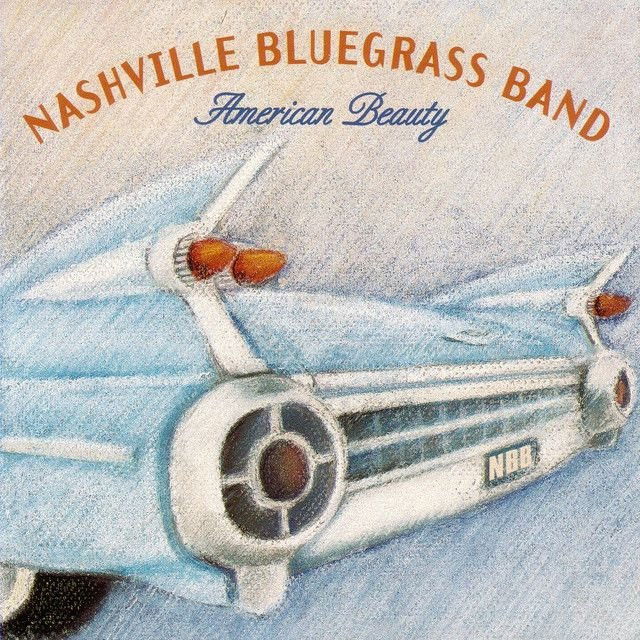
Red Clay Halo by The Nashville Bluegrass Band
A Southern Song About Dirt, Dignity, and Grace
The meaning of Red Clay Halo The Nashville Bluegrass Band centers on something simple but powerful: a person who feels marked by where they come from, then slowly realizes that mark may be a kind of honor. The song begins with social embarrassment. The singer notices that the girls prefer boys from town, while he is left out because he looks like the land he works. The red clay on his boots, clothes, and skin becomes a sign of class difference.
"Red Clay Halo" - The Nashville Bluegrass Band
But they don't care to dance with me
Well it ain't my fault that the fields are muddy
Loading lyrics...
Unable to load lyrics
We're unable to display the lyrics at this time. Please try again later.
But the song does not stay in shame. It turns that same dirt into a spiritual image. By the chorus, the red clay is no longer just mud. It becomes part of the singer’s imagined welcome into heaven, right down to a red clay halo
. That shift is the key to the whole song. What once seemed lowly becomes holy.

Watch the official Red Clay Halo
music video
From Local Detail to Bigger Meaning
One reason the song lands so well is its sharp physical detail. The singer talks about mud on his feet, dirt under his nails, and stains that soap cannot remove. Those details make the song feel lived-in instead of symbolic from the start. They also establish a hard truth: poverty and labor show on the body.
In plain terms, the song says that some kinds of work follow a person everywhere. The line about Sunday clothes
matters because even on a day tied to worship and respectability, the dirt still shows. The singer cannot fully wash away where he comes from.
Interpretation: That makes the song partly about class. The city boys seem polished and accepted, while the country boy carries visible proof of manual work. Yet the song never asks him to become someone else. Instead, it asks whether heaven itself might value what society dismisses.
The Chorus Changes Everything
The chorus is where the emotional logic opens up. Instead of begging to be cleaned up for heaven, the singer wonders whether he will arrive still wearing the marks of home.
red clay robe
red clay wings
red clay halo
This is the song’s one big leap of imagination. The dirt of daily life becomes sacred clothing. The image is gentle, but it is also bold. It suggests that grace does not erase regional identity, labor, or humble origins.
That is why the chorus feels moving rather than funny. The singer is not mocking religion. He is asking whether God sees worth where other people see mess. In that sense, the song joins a long American tradition of songs that lift up rural people without turning them into saints or jokes.
River, Dust, and the Promise of the Other Side
The later verses widen the frame. The song moves from one person’s stained clothes to a whole landscape. In spring there is mud; in summer there is dust. Everything turns the color of the earth. The red clay is not just on the singer. It is everywhere.
That matters because the song starts as a story of isolation, then becomes a song of belonging. The singer is part of a place so deeply that the trees, animals, and air seem to share its color. The landscape shapes identity.
The biblical reference to Jordan deepens that idea. By describing Jordan's banks
as muddy and wide, the song blends Southern geography with spiritual tradition. Crossing to the other side usually means death, salvation, or peace. Here, the singer assumes he will cross as he is, still muddy, still country, still himself.
Interpretation: This may be the song’s clearest statement of faith. Salvation is imagined not as polish, but as acceptance.
Why the Bluegrass Sound Matters
The performance style helps sell that message. The Nashville Bluegrass Band were widely respected for traditional bluegrass craft and ensemble playing, as noted by the IBMA and the band’s Rounder Records catalog history. Their version of “Red Clay Halo” works because the arrangement sounds rooted, communal, and unpretentious.
Bluegrass instrumentation often carries its own cultural meaning. Acoustic strings, close harmony, and steady rhythm can make a song feel handmade and local. That fits “Red Clay Halo” perfectly. Nothing in the sound tries to glamorize the narrator. Instead, the music supports the idea that truth and beauty can come from ordinary soil.
The likely effect on listeners is strong: the tune feels warm, but the words carry a bruise. That contrast makes the song memorable. They hear a bright, agile arrangement carrying a story about exclusion, labor, and grace.
Writers, Context, and Why the Song Endures
The song was written by David Rawlings and Gillian Welch, two writers known for American roots songs that blur old-time language, spiritual themes, and working-class imagery. That context matters. Even when their songs sound traditional, they often use old forms to explore identity and memory in fresh ways.
“Red Clay Halo” is a great example of that craft. Its language is plain, but its structure is smart. The first half stays close to embarrassment and visible dirt. The second half turns those same details into a vision of belonging. It is almost a reversal song: shame becomes pride, and stain becomes glory.
That is likely why audiences keep returning to it. The song speaks to anyone who has felt looked down on because of background, accent, work, or place. It answers that wound without revenge. Its answer is dignity.
Final Take on Its Lasting Power
At its heart, the meaning of Red Clay Halo The Nashville Bluegrass Band is about being unable to scrub off one’s roots and finally deciding that maybe those roots do not need scrubbing off at all. The song honors rural identity while also asking a spiritual question: if heaven is just, why would it reject the marks of an honest life?
That blend of humility and pride is what gives the song its staying power. It is earthy, faithful, and quietly defiant.
Disclaimer: This interpretation is based on the lyrics, performance, and known songwriter context. As with any song, listeners may hear meanings that differ from this reading.







