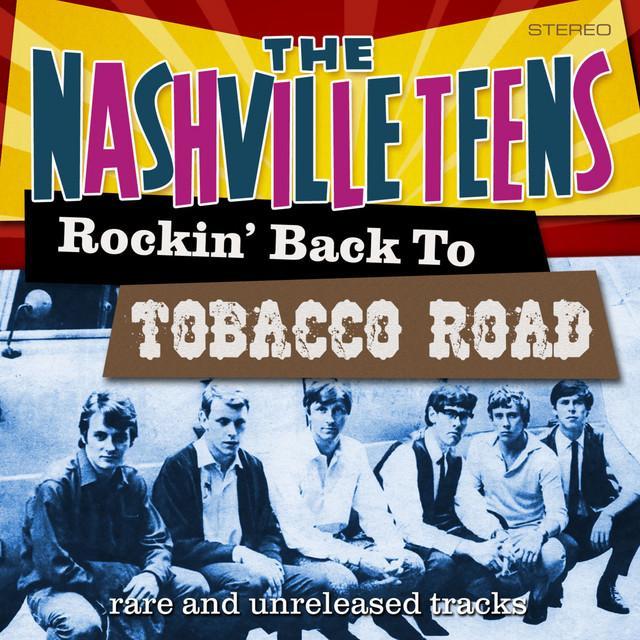
Tobacco Road by The Nashville Teens
The meaning of Tobacco Road The Nashville Teens starts with a hard contradiction: the singer hates where they came from, but they cannot stop calling it home. That tension gives the song its force. It is not just a complaint about a poor neighborhood. It is a story about shame, survival, ambition, and the strange pull of roots.
"Tobacco Road" - The Nashville Teens
Mama died and my daddy got drunk
Left me here to die alone
Loading lyrics...
Unable to load lyrics
We're unable to display the lyrics at this time. Please try again later.
Written by John D. Loudermilk and turned into a major 1964 hit by The Nashville Teens, the song reached No. 14 on the U.S. Billboard Hot 100 and No. 6 in the UK, according to the song history. That success matters because the band’s version pushed a folk-rooted story into a louder British Invasion frame.
A Home They Despise, A Place They Cannot Forget
At the most basic level, the song tells the story of someone born into severe poverty. The opening sketches neglect, death, and abandonment in plain language. When the singer says born in a bunk
and later points to Tobacco Road
, they are naming a world of cramped housing, little comfort, and almost no chance to rise.
But the song does not stay in simple self-pity. Its key emotional move is conflict. The narrator says they loathe
the place, yet also admits it is the only life they have known. That split feeling is the heart of the song’s meaning.
Interpretation: The road is both a real location and a symbol of class fate. It stands for the kind of place that marks a person long before they can choose anything for themselves.

Watch the official Tobacco Road
music video
The Story Moves From Misery to Defiant Imagination
The narrative is easy to follow, which is one reason the song has lasted:
- The singer is born into hardship.
- They grow up in a broken, humiliating environment.
- They dream of leaving and making money.
- They imagine coming back to rebuild the place from the ground up.
That final turn is crucial. The dream is not only escape. It is return with power. The singer wants to tear down what trapped them and create something worthy in its place.
Bring that dynamite and a crane
start all over again
These lines are not subtle, but that is part of their strength. The fantasy of demolition turns personal pain into action. Instead of staying a victim, the singer imagines becoming a builder.
Why the Chorus Hurts More Than the Verses
The verses describe poverty in concrete terms, but the chorus gives the song its emotional sting. The phrase it’s home
changes everything. Without that idea, the song would only be a social sketch. With it, the song becomes deeply human.
Many listeners know this feeling even if they have never lived on a literal tobacco road. People often carry mixed emotions about their hometowns, families, or class background. They may feel embarrassed by where they started, while still feeling loyal to it.
Interpretation: The chorus suggests that identity is not easy to escape. Even when the singer wants to reject the place, they still measure themselves against it.
John D. Loudermilk’s Context Shapes the Song
Loudermilk first recorded “Tobacco Road” around 1959–1960, and the song was described as semi-autobiographical, tied to his North Carolina background in broad emotional terms. That context helps explain why the lyric feels specific rather than generic. It sounds lived-in.
The Nashville Teens, an English group, did not write the song, but they made it famous by giving it a tougher attack. Their 1964 recording, produced by Mickie Most, featured strong piano, electric guitar, heavy drum emphasis, and dual lead vocal textures, as noted in the release details.
That change in style matters. Loudermilk’s writing carries the story, but The Nashville Teens turn it into a near-shout of class anger.
How the Sound Carries the Meaning
The production sounds rough in the right way. The beat drives forward with very little softness, which mirrors the singer’s refusal to stay stuck. The piano pounds. The guitar cuts through. The vocal delivery sounds urgent, almost pushed to the edge.
Instead of treating the lyric like a sad ballad, the band plays it like a challenge. That gives the song a dual effect:
- It keeps the poverty story from becoming passive.
- It makes the dream of escape sound believable.
- It frames the return home as confrontation, not nostalgia.
This is a big reason the track crossed so well into garage rock and blues rock. The arrangement sounds like a fight with the past.
A Song About Class, Not Just Place
The meaning of Tobacco Road The Nashville Teens is often reduced to “a song about a poor hometown.” That is true, but incomplete. The deeper subject is class injury: what it feels like to be shaped by a place that denies dignity.
Words like rusty shack
and the repeated naming of the road create more than scenery. They show how poverty can become a public identity, something visible and hard to shake.
At the same time, the song refuses defeat. The dream of returning rich may be fantasy, but it is still a claim to worth. The singer imagines not only personal success, but civic repair.
Why It Still Connects
The song has been covered across rock, blues, country, and funk because its core struggle is timeless. People still know what it means to feel trapped by origin stories, and to want both distance and reconciliation.
In that sense, “Tobacco Road” is not just about one road. It is about the places people outgrow, the places that wound them, and the places they still cannot fully leave behind.
Disclaimer: This interpretation separates documented facts about the song’s history from critical reading of its themes. Meanings can vary from listener to listener.








