Why 'Cry Baby' Hides Fear Behind Cool
The meaning of Cry Baby The Neighbourhood comes down to a conflict they return to often: wanting intimacy while bracing for damage. On the surface, the song sounds smooth and controlled. Under that calm, though, it is full of nerves, self-criticism, and the fear of becoming emotionally trapped.
"Cry Baby" - The Neighbourhood
I need to listen, baby
I need to listen, baby
Loading lyrics...
Unable to load lyrics
We're unable to display the lyrics at this time. Please try again later.
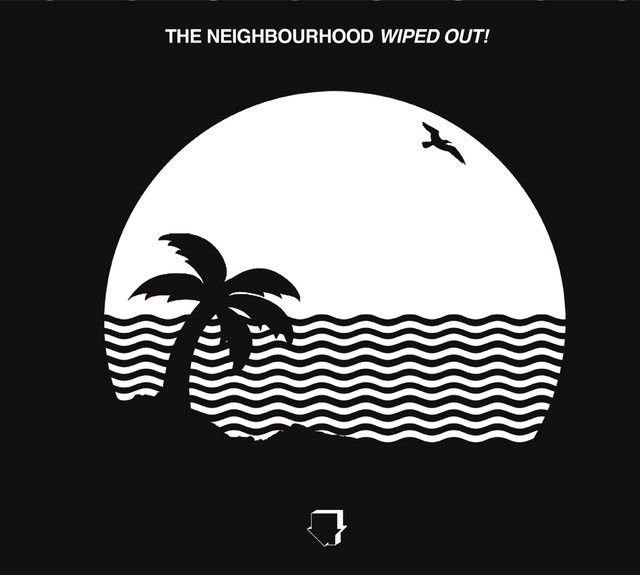
“Cry Baby” appears on Wiped Out!, the band’s second studio album, released on October 30, 2015, and it was later certified Gold by the RIAA in 2022. Those are widely documented facts in discographies and fan-reference archives. The song’s staying power makes sense because it captures a very modern kind of romance: detached in style, deeply vulnerable underneath.
A Love Song That Starts With Self-Doubt
Before the romance fully takes over, the speaker turns inward. They admit they talk too much, worry too much, and spend too much time trying to manage how they seem. A phrase like I talk too much
is less about conversation and more about insecurity. They do not trust their own instincts, so they over-explain.
That matters because the song does not begin with blaming the other person. It begins with self-audit. They want to be better at listening, calmer in love, and less obsessed with appearance or control. In plain terms, they know they are carrying anxiety into the relationship.
Watch the official Cry Baby
music video
The Real Tension: Falling in Love Anyway
The chorus delivers the emotional center. When they admit I'll fall in love
, it sounds less like a celebration than a warning. They can already see what is coming, and that loss of control scares them.
This is where the meaning of Cry Baby The Neighbourhood gets sharper. The song is not simply saying love hurts. It is saying the speaker recognizes the pattern early and still cannot stop it. That tension gives the track its ache.
They also set one key condition: honesty. The fear is not just heartbreak in the abstract. It is betrayal. The line about not wanting to be someone’s cry baby
suggests they do not want to become the person left carrying all the pain while the other person moves on untouched.
Verse by Verse, the Story Gets Colder
A simple way to read the song is as a short emotional timeline:
- They confess their flaws and anxious habits.
- They sense heartbreak before it fully arrives.
- They admit they are still going to fall.
- They try to draw a boundary around future pain.
- By the end, that boundary weakens into shared vulnerability.
The middle of the song is especially tense because it moves between intuition and denial. A phrase like my heart's breakin'
suggests they can feel the ending before the relationship has even stabilized. That gives the whole track a pre-breakup mood.
When the Imagery Flips the Mood
One of the most revealing moments is the weather image: sun's comin' out
but they feel colder. Paraphrased, the outside world is brightening while their emotional world gets worse. That contrast shows how depression or anxiety can ignore obvious signs of hope.
Then the song mentions a drought ending. Interpretation: this could mean emotional numbness finally breaking, or it could point to tears after a long period of holding everything in. Either reading fits the ending, where crying stops being embarrassing and starts sounding necessary.
The Hook Changes Its Meaning at the End
At first, “cry baby” sounds defensive. The speaker seems to be saying they refuse to be reduced to the hurt one. But the outro changes the frame. Instead of mocking tears, the song starts allowing them.
I need to cry, baby
We need to cry
That short turn matters a lot. The song begins with image management and emotional resistance. It ends with the idea that release might actually be healthy. In other words, the title is not just sarcasm. It becomes a reluctant acceptance of human need.
How the Sound Carries the Message
Part of why this track works is its contrast between mood and confession. The Neighbourhood are known for moody alternative pop and R&B-shaded production, and “Cry Baby” fits that palette. The instrumental feels sleek and restrained, which makes the lyric anxiety hit harder.
The beat does not explode into drama. Instead, it glides. That cool surface mirrors the speaker’s attempt to stay composed. Jesse Rutherford’s vocal delivery also helps: he sounds intimate and detached at once, as if they are confessing while still trying not to fully unravel.
Interpretation: that controlled production is the point. If the song were louder or more theatrical, it might sound like a meltdown. Instead, it sounds like someone trying to remain stylish while quietly panicking.
Artist Context Makes the Song Clearer
On Wiped Out!, The Neighbourhood often explored burnout, isolation, desire, and identity. “Cry Baby” fits that larger emotional world. It is less a standalone heartbreak song than part of a bigger album mood where attraction, emptiness, and self-protection keep colliding.
The credited writers are Brandon Fried, Jeremy Freedman, Jesse Rutherford, Justyn Pilbrow, Mike Margott, and Zachary Abels. That collaborative writing helps explain why the song feels polished but emotionally specific: it balances a clean pop structure with very personal admissions.
So What Is "Cry Baby" Really Saying?
The best reading is simple: this is a song about someone who knows love will open them up, fears the lie that may follow, and still moves toward it. The title starts as a rejection of weakness, then slowly becomes permission to feel.
That is the reason the meaning of Cry Baby The Neighbourhood still connects. It understands that some people do not enter love innocently. They enter it already tense, already self-aware, already expecting loss.
Disclaimer: This interpretation is based on the song’s lyrics, sound, and publicly available release context. Like most songs, it can support more than one reading.









