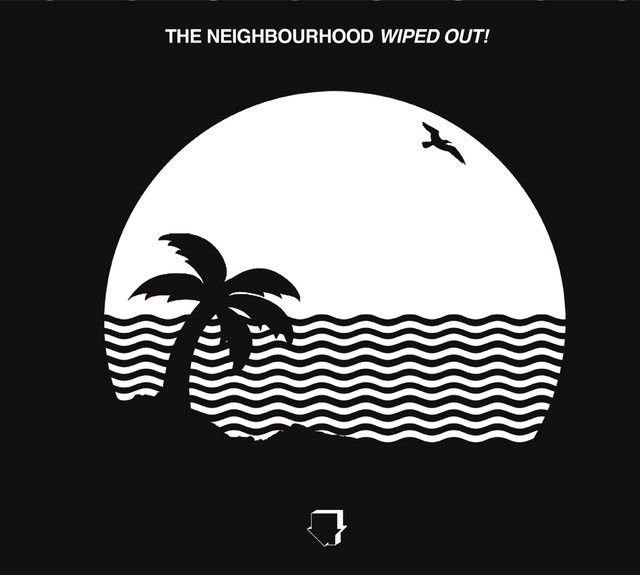
R.I.P. 2 My Youth by The Neighbourhood
Why This Song Still Hits Hard
The meaning of R.I.P. 2 My Youth The Neighbourhood comes down to a painful idea: growing up can feel like burying the person they used to be. The song frames that loss with funeral imagery, but its real subject is not just death. It is disillusionment, anxiety, family pain, and the moment innocence stops protecting them.
"R.I.P. 2 My Youth" - The Neighbourhood
And you could call this the funeral
I'm just telling the truth
Loading lyrics...
Unable to load lyrics
We're unable to display the lyrics at this time. Please try again later.
Released on August 20, 2015, as the lead single from Wiped Out!, the track marked a darker return for the band after their breakout era. It was written by Jesse Rutherford, Zach Abels, Michael Margott, Jeremy Freedman, Justyn Pilbrow, and Benny Blanco, and produced by Benny Blanco, Pilbrow, and 4e, according to the song’s release data and credits (Wikipedia).

Watch the official R.I.P. 2 My Youth
music video
The Core Message Behind the Funeral Metaphor
At the center of the song is the repeated idea R.I.P. to my youth
. They present youth as something already gone, not something slipping away slowly. That makes the song feel immediate and raw.
When they also call it the funeral
, the lyrics suggest a ceremony for lost innocence. The narrator is not only sad; they are also trying to speak honestly about what adulthood has done to them. The effect is dramatic, but it fits the emotional state of the song: they sound like someone forced into awareness before they were ready.
Interpretation: This is less about one event than about a mindset shift. The song captures the shock of seeing the world without childhood filters.
Pain, Shame, and the End of Certainty
One reason the track connects with listeners is how it mixes opposites. The narrator sees themself as both flawed and hopeful, guilty and vulnerable. That tension shows up in lines about being ashamed, trying to be good, and facing a world that feels brutal.
The song also questions truth itself. The narrator doubts what people say, what the media reports, and what can be trusted. That skeptical voice gives the track a modern edge. Instead of a simple coming-of-age song, it becomes a portrait of information overload and emotional burnout.
When they sing what's anybody saying?
, they are not just criticizing chatter. They are expressing alienation. Everyone is talking, but nothing feels solid enough to believe.
Family Grief Makes the Song More Personal
The song becomes even more affecting when it shifts from broad social anxiety to family grief. The line I'm in paradise with dad
introduces a deeply personal ache. It suggests loss, memory, and the fantasy of peace after pain.
This detail changes the emotional scale of the song. Suddenly, the funeral imagery is not only symbolic. It is connected to real mourning, or at least to the emotional language of mourning. Telling a sister not to cry gives the scene a family setting, as if the narrator is imagining their own burial while trying to comfort the people left behind.
Interpretation: That imagined afterlife may not be literal belief. It may be a coping image, a way to picture rest, reunion, or escape.
The “White Lighters” Image Explained
One of the song’s most memorable lines is white lighters
. In plain terms, they are using a small flame to see ahead. That image fits the song’s mood: they are moving through darkness with only limited guidance.
There is also a cultural edge to the symbol. White lighters have long carried myths in music culture, especially around danger and bad luck. Whether the band intended every part of that association or not, the phrase adds a sense of self-destruction, superstition, and fragile survival.
So when the song says they are using that light to see what is ahead, the meaning feels layered. They want clarity, but the tool itself suggests risk.
How the Sound Carries the Meaning
Musically, the track helps explain why the meaning lands so strongly. It blends a heavy, hip-hop-influenced pulse with moody alternative pop textures, matching genre descriptions tied to its release (Wikipedia). The beat feels grounded and repetitive, almost like a march, which fits the funeral frame.
Above that, Jesse Rutherford’s vocal delivery sounds weary, detached, and intimate at the same time. He does not oversing the pain. Instead, the performance keeps it controlled, which makes the dread feel more believable.
The production also leaves room for space and echo. That creates a lonely atmosphere, as if the narrator is speaking from inside their own head. It is one reason the chorus feels less like a big anthem and more like a confession.
Context: A Key Song in the Band’s Career
As the lead single from Wiped Out!, the song announced a darker, more introspective phase for The Neighbourhood. Its music video, directed by Hype Williams and released in September 2015, added to that stylized, haunted image (Wikipedia).
Commercially, the song also had a long life. It reached No. 13 on the U.S. Hot Rock & Alternative Songs chart and later earned Platinum certification in the United States, showing that its themes resonated well beyond its first release (Wikipedia).
That matters because the song’s darkness was not niche. Many listeners clearly heard their own fears in it.
Final Take on the Song’s Meaning
The meaning of R.I.P. 2 My Youth The Neighbourhood is about the death of innocence under pressure from grief, doubt, and adulthood. It turns emotional burnout into funeral language, then softens that darkness with flashes of honesty and family feeling.
Interpretation: The song does not offer a clean resolution. Instead, it honors the messy moment when they realize they cannot go back to being naive, even if they miss that version of themself.
That is why it lasts. It sounds like mourning, but it is really a record of painful awakening.
Disclaimer: This interpretation blends verified release context with lyrical analysis. As with any song, meaning can vary from listener to listener.









